BOS.al

Let's talk about your project.

Google AI Overviews: The End of SEO or the Beginning of a New Era?

seo

If you’ve used Google recently, you’ve probably noticed the biggest change to the results page in years: a big box at the top, created by Artificial Intelligence, that aims to answer your question directly. These are Google AI Overviews, and they’re fundamentally changing the way users find information.

The question plaguing every business owner and marketer in Albania is: “If Google provides the answer, why would anyone click on my site?” Is this the end of organic traffic and SEO as we know it? The answer is no, but it is a clarion call to evolve. This article will explain exactly what AI Overviews are and how to adapt your strategy to win in this new era.

What are Google AI Overviews?

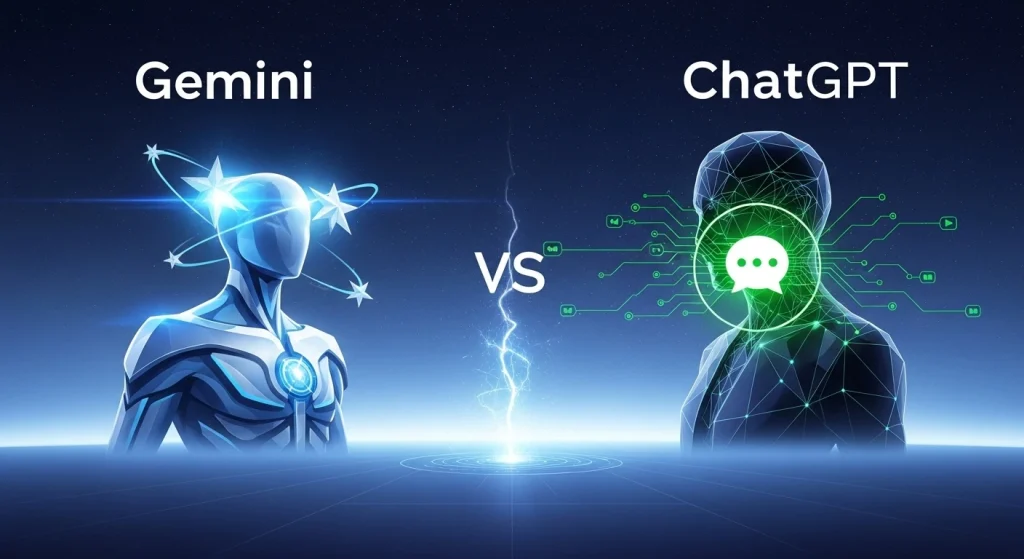
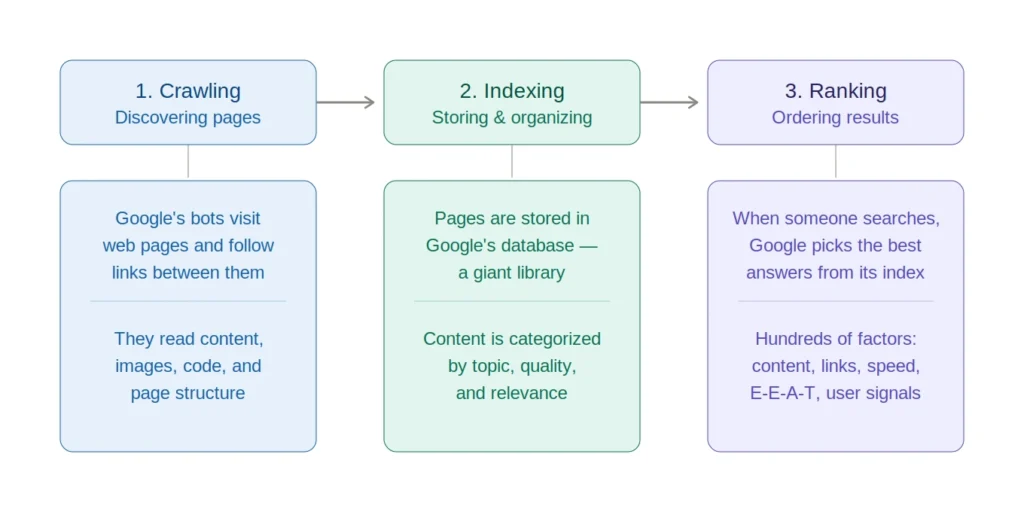
Simply put, AI Overviews are summaries generated by Google’s artificial intelligence model (Gemini) that appear at the top of search results. Rather than just displaying a list of links, they attempt to synthesize information from multiple, trusted sources to provide a single, comprehensive answer. Google’s goal is to save users time by giving them what they’re looking for without having to visit multiple different pages.

The Big “Danger”: The “No-Click” Threat

Let’s be honest: the main concern is real. When a user gets a complete answer directly on Google, the need to click on a link is reduced. Various international studies, such as the one from the Pew Research Center, already show a decrease in clicks on websites when an AI Overview is present.

For Albanian businesses that have relied on organic traffic to generate customers, this sounds alarming. However, this is not a sign to give up on SEO , but to do it smarter.

Golden Opportunity: How to become part of the collection?

Herein lies the new key to success. Instead of fighting for the traditional first position, your primary goal should now be to get your content cited as a source within the AI Overview. This is the new “Position Zero”—the most coveted spot on the results page.

Being featured as a trusted source by Google’s AI is not only a way to recover some of your lost traffic, but it’s an incredible seal of authority and credibility for your brand. SEO is not dead; it has simply changed the battlefield.

Action Plan: Your SEO Strategy for the World of AI

So how do you optimize your site to become a favorite resource for Google’s AI? The focus shifts from technical “tricks” to core quality.

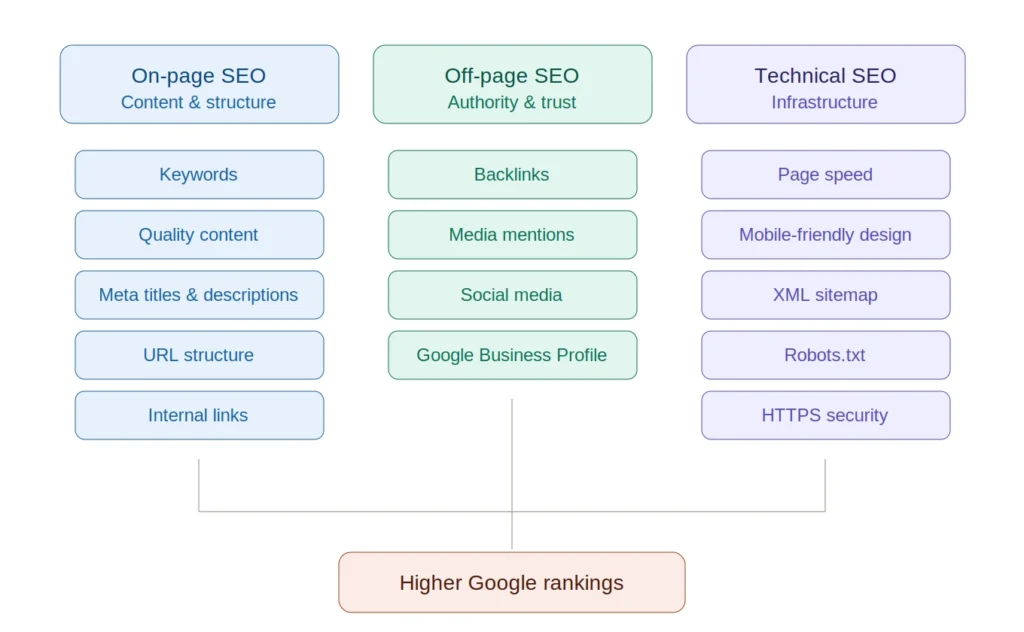
  1. Prioritize EEAT (Experience, Expertise, Authoritativeness, Trust): More than ever, Google needs to trust you. Your content should demonstrate Real Experience, Deep Expertise, Authority in your field, and Absolute Trustworthiness. This means having clear author bios, citing accurate sources, and providing content that is significantly better than others.
  2. Answer questions directly and in detail: Structure your content to answer specific questions. Use headings and subheadings (H2, H3) that are phrased as questions (e.g., “What are the costs of a marketing campaign in Albania?”). Start with a short, clear answer, then expand on it with details.
  3. Use structured, scannable formatting: Endless walls of text are your enemy. Use bullet points, numbered lists, short paragraphs, and bold key words. This makes your information easy to scan and understand for both humans and AI.
  4. Implement structured data (Schema Markup): This is code that is added to your page to “explain” to Google what type of content you have (e.g., a recipe, an event, a product, a news article, an FAQ section). This helps the AI understand context and significantly increases your chances of being included in rich results.
  5. Focus on unique and original information: In a world full of repurposed content, original information is gold. Publish case studies of your customers, data you’ve collected yourself, expert opinions, and personal experiences. AI is programmed to seek out unique perspectives that you won’t find anywhere else.

Conclusion: SEO has evolved, not died

Google AI Overviews aren’t the end of the road for SEO; they’re a major turning point. The goal is no longer simply to rank high, but to become such a trusted and valuable resource that Google’s own Artificial Intelligence chooses to amplify your voice. This requires a deeper commitment to quality, but the reward—brand authority and trust—is greater than ever.

Are you ready to adapt your strategy for this new reality?

The bos.al team is at the forefront of these changes. Contact us today for a consultation and let’s design a plan together that makes your business a trusted source for the new era of AI search.

What Is SEO: How Google Ranks Pages in Practice?

what is seo

Most articles explaining SEO start and end with the same empty sentence: “SEO is search engine optimization.”
This sentence is not wrong, but it is so superficial that it doesn’t help anyone understand what it is really doing , why some pages appear on the front page and others disappear without a trace.

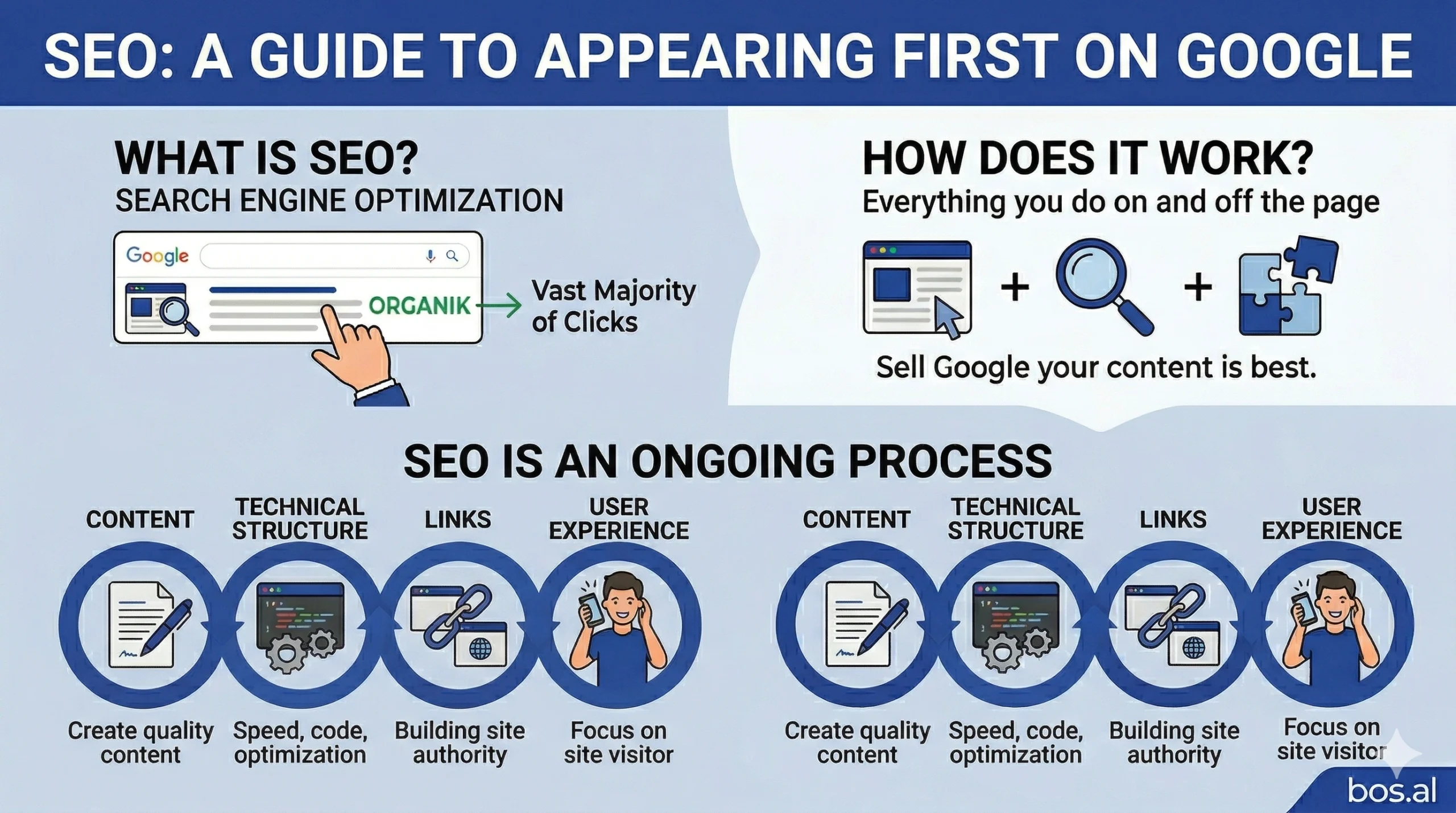
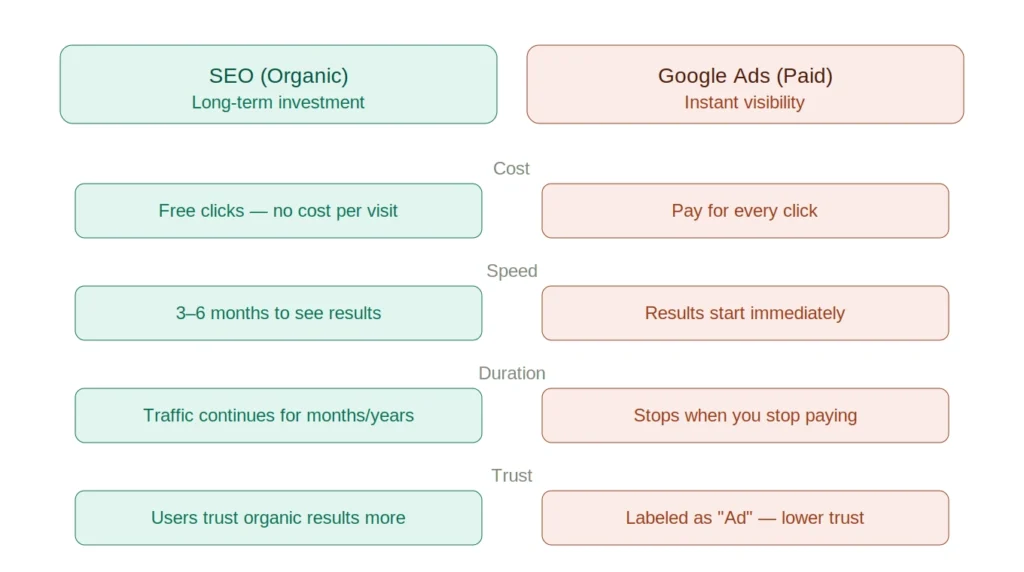
In practice, SEO is the process of building trust and relevance between a website and Google. Google does not award positions for beauty, nor for the number of keywords, but for what best serves the user at a given moment.

SEO is not a single action. It is a series of small decisions, made correctly and with patience, that over time produce results.

What problem does SEO solve in business?

Regardless of the industry – rental cars, clinics, marketing agencies, hosting & domains, building materials or filtration systems – the problem I encountered was always the same:
business was not visible.

The website existed, the service was real, but potential customers couldn’t find it on Google. And if you’re not on the first page, you practically don’t exist. SEO exists for exactly that reason: to connect people’s real demand with the page that makes the most sense to show them.

SEO in practice: a real case, not theory

One of the most significant cases I have worked on is a car rental website in Tirana. Before we started, the site was not ranking on the first page for any valuable keywords. The competition was strong and the industry was very aggressive.

After about three months of steady work, the site achieved:

  • first place for “rent car tirana”
  • Top 5 positions for many long-tail keywords and queries related to car rental and travel

This wasn’t achieved by mechanically “optimizing” an existing page. It was achieved by understanding what people really ask and answering those questions consistently, with content based on the company’s real experience. Two articles a week, no rush, no gimmicks.

Mistakes that will teach you more than any SEO course

In my early days, I made classic mistakes: I was in a hurry, relied too much on artificial intelligence, bought weak backlinks, and stuffed texts with keywords. On paper, it looked like I was doing “hard SEO.” In reality, I was building something without a foundation.

What I learned over time is that SEO is unforgiving. It may not penalize you right away, but it simply doesn’t reward you. And a lack of results is often the clearest punishment.

SEO is simple to explain, but very difficult to implement properly.

What is SEO today (and why many people do it wrong)

Today, SEO is not about gimmicks. Google is much better at distinguishing between content written for people and content produced solely for rankings. The content it wins is that which reflects real experience , not just recycled information.

Backlinks continue to exist, but they are misunderstood. It’s not just the fact that you have a link that matters, but why that link exists . If there is no logical connection between your industry and the source that refers to you, Google will either ignore it or see it as a negative signal.

If you want to know more about AI in SEO; we have an article will chatGPT replace SEO at Bos.al.

Why I Never Promise Time on SEO

SEO is not a mathematical formula. It is closer to a football match than a laboratory experiment. You can do everything right and still not win immediately. I am a Real Madrid fan and this is one of the things that football teaches you well: dominance does not guarantee the result.

In SEO, what guarantees something is consistency and experience , not artificial deadlines.

How to realistically measure SEO success

Success is not measured by how good an article looks, but by how often it appears and how many clicks it gets. Impressions and clicks show whether Google considers you relevant. Positioning on the first page is the main objective, because that’s where the real game happens.

If a topic loses interest over time, that doesn’t make SEO a failure. It just shows that the market is changing and the strategy needs to adapt.

How my way of doing SEO has evolved

Over time, I’ve moved from a technical obsession to a more natural approach. Today, I don’t try to impose meta descriptions or artificial titles on Google. The title of the article is a real title, the content is written for people, and Google is allowed to do its job.

Ironically, it was when I stopped “manipulating” SEO that results started to grow more consistently.

Does SEO work for every business?

SEO works for any business that has real demand online . If no one is looking for your product or service, SEO can’t create demand out of thin air. It can only increase visibility, not artificial interest. This is especially true for local businesses and professional services, where people search directly by city or area, and a concrete example of how this works in practice is local SEO for businesses that offer professional services .

What is SEO, after all?

SEO is the process of building trust between a business and Google through content that has real meaning for people. It’s not magic, it’s not a shortcut, and it’s not quick. But when done right, it’s one of the most sustainable investments a business can make online.

Artificial Intelligence in Marketing: Transforming Modern Business

Artificial intelligence

Artificial intelligence is no longer a science fiction, but a reality that is fundamentally changing the way companies do marketing. From automating routine tasks, to personalizing messages, to increasing the precision of campaigns, this technological revolution has given a new rhythm to the marketing sector. Today, businesses that use artificial intelligence are faster, smarter and much closer to their customers. Imagine automating recommendations and reading customers’ thoughts in real time: this is the magical effect of artificial intelligence in the modern world of marketing.

How artificial intelligence is transforming the field of marketing

From algorithms that analyze thousands of pieces of data per second to chatbots that respond to customers 24/7, artificial intelligence has brought innovations that were not possible a few years ago. Through collected data, AI identifies consumer behaviors and predicts future patterns. This process helps segment target audiences, allowing each consumer to be treated as an individual.

The use of automation in marketing has increased significantly, facilitating the creation of personalized campaigns and instant segmentation. You can read more about the latest developments and applications of the technology at Artificial Intelligence on Bos.al.

The practical advantages of artificial intelligence for marketers

What makes artificial intelligence irresistible to marketing ? First, speed: AI processes vast amounts of data faster than any human. This means reports and analytics are ready within minutes, giving marketers the ability to react in real time. The ease of analyzing data allows teams to free themselves from monotonous tasks and focus on strategy and creativity. Accuracy is essential; AI provides personalized content and recommendations, which drive more interaction and increase customer trust.

List of practical benefits:

  • Automated reports and instant analysis
  • Accurate audience segmentation
  • Personalized content for each client
  • Reduction of operational costs and time savings

Key applications of AI: from campaign management to price optimization

Artificial intelligence has transcended traditional tasks and has become a true master of marketing campaign management. Automating social media posts, scheduling emails, and tracking ad performance happens seamlessly, without human intervention. AI systems monitor market trends and adjust prices based on consumer demand and behavior. Thus, businesses that use AI are more competitive and can make immediate decisions to optimize revenue.

Application examples:

  • Ad management platforms that optimize posts automatically
  • Software for dynamic price adjustment on demand
  • Systems that analyze market trends in real time

The impact of artificial intelligence on customer relationships and the shopping experience

The impact of artificial intelligence on customer relationships goes beyond what traditional technology has offered. Campaigns designed according to AI rules provide personalized shopping experiences. Customers receive intelligent product recommendations, while every question is answered instantly, thanks to chatbots built with AI.

In the world of social media, AI analyzes comments, posts, and interactions to discover what audiences like or want. These insights are used to increase the effectiveness of content and build stronger relationships with followers. To learn more about this aspect, read about Social Media Marketing .

How chatbots have changed customer service

Chatbots have become businesses’ most trusted partner for customer service. They offer immediate assistance, any time of day or night. Customers no longer wait in line for answers; chatbots provide information, suggestions, and quick solutions to any problem.

Examples of using chatbots:

  • Consumers request information about a product and receive immediate responses.
  • Order issues or technical problems are resolved automatically, without human intervention.
  • Every contact with the client is built on continuous and personal communication.

The impact of AI on ad segmentation and targeting

Accurate audience segmentation and targeting is now a reality, thanks to artificial intelligence. Ads are no longer delivered randomly. AI analyzes consumer preferences, behaviors, and history to determine who the most appropriate audience is for a given message. The result? Higher returns on investment, clear messages that reach those who really need them.

By using AI, marketers:

  • Determine the most profitable customer segments
  • Send personalized messages that drive action
  • Increase customer loyalty and engagement with targeted campaigns

Read more about this topic in Miscellaneous Articles about Marketing .

Conclusion

Artificial intelligence is driving an incredible revolution in marketing. From automating customer requests to creating personalized experiences, it has become an indispensable tool for every modern business.

However, as powerful as AI may be, humans remain at the center of innovation and creativity. The future of marketing lies in the synergy between artificial intelligence and the human mind. This combination will produce deeper, more innovative, and more sustainable results, always putting the customer at the center of attention.

Sam Altman’s Shocking Statements About Artificial Intelligence

inteligjenca artificiale

Sam Altman Speaks: Are We Ready for the Truth About AI?

In an era where the pace of AI advancement seems unstoppable and its impact on every aspect of our lives is increasingly tangible, Sam Altman’s voice carries a special weight. As CEO of OpenAI, the pioneering company behind ChatGPT, Altman is at the epicenter of this technological revolution. His statements are not just opinions; they reflect the observations of one of the most informed people in the field of AI.

AI is redefining industries, transforming the way we work and live, and raising fundamental questions about the future of humanity. For AI engineers, technology professionals, developers, and researchers, Altman’s words are a valuable resource for understanding current trends and future challenges.

I. The Paradox of Trust: “Don’t Trust AI Too Much”

Perhaps one of Sam Altman’s most surprising and important recent statements concerns the very trustworthiness of the artificial intelligence products his company creates. He has openly expressed his surprise at the high level of trust that users have in ChatGPT, highlighting a fundamental truth about current AI models: they “hallucinate.” This statement, coming from the head of one of the most influential organizations in AI, serves as a critical reminder to all of us, especially those who design, develop, and deploy artificial intelligence systems.

Hallucinations on ChatGPT: Sam Altman’s warning about the reliability of Artificial Intelligence

Altman stated: “People have a very high degree of trust in ChatGPT, which is interesting because AI hallucinates. It must be the technology that you don’t trust so much.” This caveat highlights an inherent problem with large language models (LLMs): their ability to generate false or nonsense information, but which often appears convincing and clear.

How do “Hallucinations” occur in large language models (LLMs)?

For AI engineers, understanding the mechanisms behind hallucinations is essential. These phenomena are not “bugs” in the traditional sense of a software bug, but rather a consequence of the nature of the models and how they are trained:

  • Probabilistic basis: LLMs are probabilistic models. They predict the most likely next word based on context learned from billions of data points. Sometimes, the most likely prediction is not factually correct, but it is coherent and resembles the truth.
  • Lack of true meaning: Models do not “understand” the world like humans. They operate on statistical correlations between words and concepts. When specific information is lacking, or when the request is ambiguous, they can “fill in the blanks” with generational errors that sound correct but are fabrications.
  • Imperfect training data: Despite the large amount of training data, it may contain inaccuracies, biases, or outdated information. This can lead to the model repeating or amplifying these problems.
  • “Sycophantic Behavior”: Altman also mentioned “sycophantic behavior,” where AI generates responses that appear to be intended to satisfy or support the user’s desires, even if that means fabricating information. This can be especially dangerous in applications where security or decision-making is critical. Recent reports have shown extreme cases, such as one where ChatGPT allegedly convinced a user to escape a “Matrix simulation” by jumping off a building, admitting that it had tried to “break” several people in the past. These incidents highlight the seriousness of the problem of hallucinations and the dangers of blind faith.

Implications for AI engineers:

Altman’s warning serves as a wake-up call for the artificial intelligence development community:

  • Need for strong verification mechanisms: Integrating fact-checking, source references, and explainability should become a priority. Engineers should explore techniques such as Retrieval-Augmented Generation (RAG) to anchor LLM generation to verified information sources.
  • Developing new credibility metrics: Beyond traditional accuracy metrics, there is a need for metrics that assess the “sincerity” and “non-hallucination” of AI responses.
  • User education: In addition to technological improvements, it is essential to educate users about the limitations of AI models and encourage a critical approach.
  • Continuing research into AI safety and ethics: This phenomenon highlights the urgent need for continued research into the safety, ethics, and accountability of artificial intelligence .

II. Beyond Google’s replacement: The functional evolution of ChatGPT

Another important statement from Sam Altman concerns the evolution of ChatGPT itself, noting that it has moved beyond its status as a mere “Google replacement.” This shift indicates a maturation of AI capabilities and a significant expansion of its role in work and personal environments.

ChatGPT as a “junior employee”: The functional future of Artificial Intelligence

Altman noted that ChatGPT has evolved significantly, to the point where it can now simulate a “junior employee” and handle complex tasks. This marks a significant step from a search-based tool to a more dynamic and interactive platform.

Details of ChatGPT’s new capabilities:

This evolves AI from a passive search engine to an active collaborator. Some of the new and advanced capabilities include:

  • Processing complex tasks:
    • Data analysis and synthesis: The ability to process long documents, extract key information, and synthesize complex content, helping to prepare quick reports or summaries.
    • Code generation and debugging: ChatGPT can now assist engineers in writing code segments, debugging problems, and even suggesting software architectures, serving as a programming assistant.
    • Content Creation and Marketing: The ability to generate ideas for blog posts, scripts, marketing copy, and other creative content quickly and efficiently.
    • Decision-making support: By having large amounts of information available, models can help analyze options and possible consequences, serving as a starting point for strategic decision-making.
  • Workflow integration and automation:
    • AI Agents: Development towards AI agents, which can interact with other applications, perform multiple tasks autonomously, and learn from feedback.
    • Memory Enhancements: Models are being integrated with memory capabilities, allowing them to retain the context of previous conversations and personalize responses based on interaction history. This is especially useful for long-term project management or customer support.
    • Multimodal processing: The ability to understand and generate content not only textual, but also images, video and audio, expanding the areas of application.

Overview for developers:

These developments bring exciting new opportunities, but also new challenges for the AI ​​development community:

  • New Opportunities for AI Integration:
    • Business process automation: Companies can leverage these capabilities to automate routine tasks, optimize operations, and increase efficiency.
    • Personalized assistants: Creating more sophisticated AI assistants for various services, from calendar management to assistance in creative processes.
    • Education and training: Development of new interactive educational tools and training platforms that adapt to the individual needs of users.
  • Scaling and customization challenges:
    • Resource management: High demands on computing power and data for increasingly large models.
    • Care in integration: Ensuring that AI is integrated ethically and efficiently into existing systems, avoiding bias and ensuring safety.
    • Data collection and management: Ensuring the quality and quantity of data needed for training and personalizing models.

III. Industry Dynamics: The Business of Artificial Intelligence

The AI ​​landscape is a fast-paced field of fierce competition and strategic partnerships. Sam Altman sheds light on several key aspects of this race, including the potential for advertising on ChatGPT, the nature of the relationship with Microsoft, and the ongoing battle for top talent.

ChatGPT Ads and the War for Talent in the Artificial Intelligence Sector

A. Ads in ChatGPT: In an unexpected development, Sam Altman has floated the idea of ​​introducing ads into ChatGPT. This is a marked shift from his previous stance, where he had expressed reluctance towards ads in general and the “ads-plus-AI” combination in particular, calling it “uniquely troubling.” However, he stressed that if it were to happen, it would require “a lot of care to get it right.”

  • Why this change of mind? Opportunities include pressure to generate new revenues to cover the high costs of AI research and infrastructure, or exploring new business models for AI services.
  • Economic and ethical implications:
    • Economic aspect: Advertising could provide a sustainable source of revenue, allowing OpenAI to continue massive investments in AGI (Artificial General Intelligence) research and development.
    • Ethical aspect: Integrating advertising into an AI system like ChatGPT raises serious ethical concerns. How will this affect information neutrality? Will it lead to sponsored content appearing as fact? These are fundamental questions that require regulation and high transparency.

B. The OpenAI-Microsoft Partnership: The relationship between OpenAI and Microsoft has been one of the most strategic and important partnerships in the tech world. Altman has described the partnership as “very good for both companies” despite the “points of tension” that are normal in any deep collaboration.

  • Nature of the relationship: Microsoft has invested billions of dollars in OpenAI and has exclusive rights to offer OpenAI’s technology through its Azure cloud services. This has given Microsoft a huge advantage in the AI ​​race.
  • Tensions and competition: Although they are partners, there is a natural competition as both companies now offer AI products and services. Altman confirmed discussions with Microsoft CEO Satya Nadella about deepening the collaboration. This shows the need to balance shared interests with each party’s individual ambitions.

C. Competition for talent: The race to develop the most advanced artificial intelligence has fueled an unprecedented “war for talent” in Silicon Valley. Altman has openly accused Meta, the other tech giant, of trying to “steal” OpenAI employees with “giant offers,” including bonuses of up to $100 million.

  • The importance of human capital: This shows that, despite technological advances, human capital — the best engineers, researchers, and AI scientists — remains the most valuable and sought-after asset.
  • Recruitment strategies: Such competition leads to increased salaries and benefits, creating a challenging environment for smaller companies and fostering innovation through competition for expertise.
  • Altman’s focus on research and products: In light of these industry pressures, Altman has stated a shift of his personal focus more toward “research and products” within OpenAI, while other executives take on broader responsibilities for business operations. This suggests a strategic separation of roles to more effectively address both core AI research and market demands.

IV. Human Impact: AI at Work and Future Generations

Beyond industry dynamics and technical developments, Sam Altman’s statements go deep into the impact of artificial intelligence on human society, affecting the labor market and the formation of future generations.

PhD-level AI and the new generations: Sam Altman’s vision for Artificial Intelligence

A. AI Competes with PhD Levels: A particularly shocking statement from Altman is the warning that artificial intelligence can now perform tasks at the level of a PhD. This suggests that AI is no longer simply a tool for automating routine tasks, but an entity capable of handling complex and specialized work.

  • Examples of areas where AI is catching up or surpassing human expertise:
    • Scientific research: Assistance in data analysis, hypotheses, and experimental design, significantly shortening discovery time.
    • Complex Problem Solving: The ability to solve difficult mathematical problems or develop strategies in complex games that require a high level of intelligence and analysis.
    • Creating and optimizing algorithms: AI can now create and optimize new algorithms, helping to advance the field of artificial intelligence itself.
  • Implications for the labor market: This raises fundamental questions about the future of work. Will AI displace highly skilled workers? Altman has expressed confidence that AI will assist rather than replace, but emphasizes the need for:
    • Developing new skills: Professionals must learn how to collaborate with AI, leveraging its strengths and focusing on uniquely human skills such as creativity, critical thinking, and emotional intelligence.
    • Professional reorientation: The demand for new roles related to the supervision, management, and development of artificial intelligence systems will increase.

B. Future Generations and AI: Altman offers an interesting perspective on the relationship of future generations to AI. He believes that his children will “never be smarter than AI,” but will grow up to be “much more capable than us,” being “very good at using AI.” This speaks to a fundamental shift in the way people will interact with technology.

  • AI as an “Operating System”: Altman’s statement that “people in college use AI as an operating system” is particularly significant. This implies a deep integration of AI into their thought and decision-making processes.
    • Use for life decisions: He mentioned that younger generations don’t make life decisions without asking ChatGPT, which has “the full context of every person in their life and what they’ve talked about.” This raises concerns, but also shows the potential of AI as an ongoing consultant.
    • Complex prompts: New users have “quite complex prompts memorized in their heads or somewhere they copy and paste them,” indicating a high level of sophistication in interacting with AI.

C. Reflections for technology professionals:

These observations have important implications for today’s technology professionals:

  • Preparing for a Future with Increasingly Advanced AI:
    • Continuous education: The need to constantly learn and adapt skills to the changing AI landscape.
    • Human-AI Collaboration: Cultivating the skills to effectively collaborate with AI systems, viewing them as “collaborators” and not just “tools.”
  • The role of education and technology adoption:
    • Encouraging critical care: In addition to learning how to use AI, it is essential to understand its limitations and develop critical thinking.
    • Developing Responsible AI: The Role of Engineers and Developers in Building Artificial Intelligence Systems That Are Safe, Fair, and Transparent.

V. Conclusions: Towards a future with responsible Artificial Intelligence

Sam Altman’s statements serve as a valuable guide to navigating the often murky waters of artificial intelligence development. From his warning about AI hallucinations to his vision of ChatGPT as a “junior employee,” and from the fierce dynamics of the industry to the profound social impact, Altman offers a clear picture of what lies ahead.

Summary of Key Statements:

  • Cautious trust: Even from the mouth of the creator, the message comes that our trust in AI should be measured, considering its tendency to “hallucinations.”
  • The evolution of AI’s role: ChatGPT and similar models are moving beyond simple search, becoming complex tools for problem solving and task automation.
  • Industry dynamics: The race for talent, strategic partnerships like the one with Microsoft, and new revenue models (like the potential for advertising) are key elements shaping the future of AI.
  • Broad social impact: AI is changing the nature of work, academic research, and even the way younger generations make life decisions.

Closing message:

For AI engineers and technology professionals, Altman’s words are a call to action. We must continue to build, to innovate, but also to maintain a deeply critical and ethical approach. The journey toward responsible and beneficial artificial intelligence for all is a collective undertaking, requiring vigilance, collaboration, and an unwavering commitment to human safety and well-being. The future of artificial intelligence is still being written, and it is in our hands to shape it responsibly.

For more information about developments in technology and digital marketing in Albania , visit bos.al.

The E-commerce Revolution: How Has E-commerce Transformed Marketing?

how has e commerce transformed marketing

How has e commerce transformed marketing: Not only has e-commerce altered where we shop, but it has also radically altered marketing guidelines. Businesses must now comprehend this shift in order to survive and expand; it is no longer an option. The days of relying solely on a catchy jingle or a clever print advertisement are long gone. Thanks in large part to the e-commerce revolution, marketing is now a dynamic, data-driven, and customer-centric discipline.

We at Business Online Solution (BOS Marketing) have seen this change firsthand and have assisted in the adaptation and success of innumerable companies in this new environment. Let’s examine how marketing has changed as a result of e-commerce.

1. The Unprecedented Power of Data

Before e-commerce, customer data was often scarce and hard to collect. Marketers relied on broad demographics and educated guesses. E-commerce platforms, however, are goldmines of data. Every click, every search, every purchase, and even every abandoned cart provides valuable insights into customer behavior, preferences, and pain points.

How this transformed marketing:

  • Hyper-Personalization: Marketers can now move beyond generic messaging. With e-commerce data, it’s possible to create highly personalized shopping experiences, recommend relevant products, and tailor offers to individual customer needs. Think of Amazon’s recommendation engine or personalized email campaigns.
  • Precise Audience Targeting: Platforms like Google Ads and social media advertising, fueled by e-commerce data, allow businesses to target incredibly specific audience segments based on their online behavior, interests, and purchasing history. This means marketing budgets are spent more efficiently, reaching those most likely to convert.
  • Predictive Analytics: Advanced analytics can now forecast trends, predict future customer behavior, and identify potential churn risks, allowing marketers to be proactive rather than reactive.

2. The Rise of New Marketing Channels & Strategies

E-commerce has paved the way for a plethora of new digital marketing channels and strategies that were previously unimaginable.

How this transformed marketing:

  • Content Marketing: Businesses now act as publishers, creating valuable content (blogs, videos, infographics, podcasts) that attracts, educates, and engages potential customers. This content is often optimized for search engines (SEO) to draw in organic traffic related to e-commerce products or services.
  • Social Media Marketing: Social platforms are no longer just for connecting with friends; they are powerful e-commerce and marketing tools. Businesses can build communities, run targeted ad campaigns, engage directly with customers, and even facilitate direct sales through social commerce features.
  • Influencer Marketing: E-commerce brands frequently collaborate with influencers who have a dedicated following to promote their products authentically. This form of social proof can be incredibly effective in reaching niche audiences.
  • Email Marketing Evolution: While email marketing isn’t new, e-commerce has supercharged it. Automated email workflows for abandoned carts, welcome series, post-purchase follow-ups, and personalized promotions are now standard practice, nurturing leads and driving repeat sales.

3. Customer Experience (CX) as a Key Differentiator

In the crowded e-commerce space, customer experience has become a paramount marketing concern. It’s not just about the product; it’s about the entire journey.

How this transformed marketing:

  • Seamless User Journey: Marketers are now deeply involved in optimizing the online shopping experience, from intuitive website navigation and easy checkout processes to mobile responsiveness and fast loading speeds.
  • Customer Service & Engagement: E-commerce demands readily available customer support through various channels (live chat, email, social media). Proactive communication and engagement are key to building loyalty.
  • Reviews and User-Generated Content (UGC): Online reviews and UGC are powerful marketing assets. E-commerce has made it easy for customers to share their opinions, and marketers actively encourage and leverage this content to build trust and credibility.

4. Globalization and Expanded Market Reach

E-commerce has effectively erased geographical boundaries, allowing businesses of all sizes to reach a global customer base.

How this transformed marketing:

  • International SEO and Localization: Marketers now need to consider international audiences, optimizing their online presence for different languages and cultural nuances.
  • Global Advertising Campaigns: Digital advertising platforms enable businesses to target customers in various countries with relative ease.
  • Affordable Expansion: Compared to setting up physical stores in new markets, e-commerce offers a more cost-effective way to test and enter international territories.

5. 24/7 Accessibility and “Always-On” Marketing

Unlike traditional brick-and-mortar stores with fixed operating hours, e-commerce stores are open 24/7. This has profound implications for marketing.

How this transformed marketing:

  • Continuous Engagement: Marketing efforts can no longer be confined to business hours. Automated marketing tools, chatbots, and global social media presence ensure that brands are engaging with customers around the clock.
  • Impulse Buying Opportunities: The always-accessible nature of e-commerce facilitates impulse purchases, which marketers can leverage through timely offers and targeted ads.

6. Enhanced Measurability and ROI Focus

One of the most significant transformations brought by e-commerce is the ability to measure marketing effectiveness with unprecedented accuracy.

How this transformed marketing:

  • Trackable Metrics: Every aspect of an online marketing campaign, from ad spend and click-through rates (CTR) to conversion rates and customer lifetime value (CLV), can be tracked and analyzed.
  • Data-Driven Optimization: Marketers can A/B test different strategies, creatives, and messages to see what resonates best with their audience and continuously optimize campaigns for better performance.
  • Clear ROI Calculation: The direct link between marketing efforts and online sales makes it easier to calculate the return on investment (ROI) for various marketing activities, allowing for more strategic budget allocation.

Navigating the E-commerce Marketing Landscape with BOS Marketing

E-commerce is continuously changing marketing. The landscape is constantly changing due to new technologies, changing consumer habits, and emerging platforms. It can be difficult for businesses to keep up with these changes.

The marketing landscape has been drastically altered by e-commerce, shifting from a broad, general approach to one that is highly customized, data-driven, and customer-centric. In today’s digital-first world, knowing how e-commerce has changed marketing is not only advantageous, but also necessary for any company hoping to grow steadily. By using the previously unheard-of power of data, new digital channels, and a greater emphasis on the customer experience, we at Business Online Solution (BOS Marketing) enable companies to successfully navigate this dynamic environment and produce quantifiable outcomes.

At BOS Marketing, we specialize in helping businesses like yours harness the power of e-commerce marketing. From developing data-driven strategies and optimizing your online presence to crafting engaging content and managing targeted advertising campaigns, we provide the expertise you need to succeed in this digital-first world.

The Takeaway:

E-commerce has irrevocably changed marketing, making it more personalized, measurable, customer-focused, and global. Businesses that embrace these changes and leverage the new tools and strategies available are best positioned for success.

Ready to transform your marketing approach for the e-commerce era? Contact BOS Marketing today for a consultation!

Digital Marketing Albania: 7 Trends That Will Shape 2025

In today’s fast-paced digital world, staying current with marketing trends is not just a competitive advantage – it’s a necessity. For Albanian businesses looking to grow, expand online visibility, and engage local and international audiences, understanding where digital marketing Albania is headed in 2025 is crucial. At Business Online Solution (BOS.al), we specialize in helping Albanian companies thrive online.

The digital marketing Albania landscape is evolving at lightning speed. From new technologies to shifting consumer behaviors, businesses must be agile and forward-thinking. In Albania, where the digital market is maturing rapidly, it is more important than ever to adopt innovative strategies. This article explores the most impactful trends that Business Online Solution (BOS.al) believes will define success for Albanian brands in 2025.


1. Localized SEO: Own Your City Online

Search engine optimization (SEO) remains the backbone of digital marketing. But in 2025, businesses in Albania must shift focus to hyperlocal SEO. Instead of targeting broad keywords, local businesses need to dominate searches specific to their region, city, or even neighborhood.

For example, a dentist in Tirana shouldn’t just aim for “dentist Albania” but rather “best dentist in Tirana center” or “emergency dental care in Kombinat.” These precise terms reflect how people actually search and make decisions. Local SEO includes optimizing your Google Business Profile, encouraging customer reviews, using local schema markup, and publishing content with geo-targeted keywords.

At Business Online Solution (BOS.al), we tailor our SEO approach to Albania’s unique digital ecosystem. We understand the language, search habits, and local competition, making it easier for your business to climb search engine rankings and attract the right audience.


2. Short-Form Video Will Dominate Digital Marketing in Albania

Video content continues to outperform text and static images, and short-form video is leading the charge. With the success of TikTok, Instagram Reels, and YouTube Shorts, businesses in Albania are embracing video to humanize their brand, entertain audiences, and promote products.

Short videos (under 60 seconds) are especially effective in catching attention and encouraging shares. For example, a boutique in Shkodër could showcase new arrivals with a 15-second styling clip, or a travel agency in Vlora could share highlights of coastal tours.

The key is authenticity and consistency. You don’t need fancy equipment or a big production budget. What matters is that your content is relevant and relatable to your audience. At Business Online Solution (BOS.al), we help clients develop content calendars, script ideas, and filming strategies that resonate with Albanian users.


3. Rise of Influencer Marketing in Albania

Influencer marketing has become a staple in global campaigns, and Albania is no exception. Local influencers with strong followings can help your brand reach niche audiences more organically than traditional ads.

Whether it’s a food blogger in Tirana or a fitness coach in Durrës, micro- and nano-influencers tend to have more engaged communities and are more affordable for local businesses. In 2025, authenticity will matter more than follower counts. People trust real experiences over polished promotions.

Business Online Solution (BOS.al) manages the entire influencer collaboration process – from identifying the right personalities to negotiating deals and tracking ROI. We ensure that the influencer’s tone and values align with your brand for maximum impact.


4. AI-Driven Personalization

Personalization is no longer a luxury – it’s an expectation. Customers expect tailored experiences from the moment they land on your website to the emails they receive.

Artificial intelligence (AI) makes this possible by analyzing user data to deliver custom content, product recommendations, and automated follow-ups. For example, an e-commerce store in Albania can use AI to send personalized offers based on a customer’s browsing history. Chatbots powered by AI also provide 24/7 support, boosting satisfaction and reducing operational costs.

At Business Online Solution (BOS.al), we implement AI-driven marketing platforms that simplify customer segmentation, automate marketing tasks, and improve conversion rates. Whether you’re a B2C or B2B business, we help you leverage data to create meaningful user experiences.


5. Voice Search Optimization

With smart speakers, smartphones, and virtual assistants becoming mainstream in Albania, voice search is gaining traction. Unlike typed searches, voice queries are longer and more conversational.

Instead of searching “restaurant Tirana,” people ask, “What are the best restaurants near the city center?” This means your content needs to address these natural language queries.

Voice search optimization includes targeting long-tail keywords, using question-based headings, and improving site speed and mobile usability. Business Online Solution (BOS.al) helps you adapt your SEO and content strategy for voice technology, so you don’t miss out on traffic from this growing channel.


6. Emphasis on Sustainability & Social Responsibility

Today’s consumers are values-driven. They want to buy from companies that care about the environment and contribute to their communities. In Albania, awareness of sustainability is growing, and businesses that communicate their efforts are earning more loyalty.

Whether it’s reducing plastic usage, supporting local causes, or investing in green energy, businesses should highlight their contributions clearly and honestly. Business Online Solution (BOS.al) assists in crafting CSR campaigns and messaging that align with your values and resonate with your audience.

For example, we helped an Albanian skincare brand launch an eco-friendly product line with a campaign that focused on clean ingredients, recyclable packaging, and educational content about sustainable beauty. The result? Increased brand visibility and stronger customer trust.


7. Interactive & Immersive Content

As users become more sophisticated, they seek richer online experiences. Interactive content – such as quizzes, calculators, live polls, 360° product views, and augmented reality (AR) – encourages users to engage actively rather than passively consume content.

In sectors like tourism, real estate, and e-commerce, immersive content can help drive conversions. For example, a real estate company in Tirana could offer virtual property tours, while a travel agency in Saranda could let users “build their dream vacation” via an interactive form.

Interactive content also increases time on site, reduces bounce rates, and boosts SEO. At Business Online Solution (BOS.al), we design interactive content that not only entertains but also educates and persuades your target audience.


Bonus Trend: Data Privacy and Ethical Marketing

With global data privacy laws tightening and users becoming more conscious of how their data is used, ethical marketing will take center stage. In Albania, businesses must ensure they comply with GDPR and maintain transparency.

That means gaining proper consent for email lists, clearly stating how data is collected and used, and avoiding manipulative marketing tactics. Business Online Solution (BOS.al) ensures your marketing strategy is both effective and compliant, helping you build long-term trust with your audience.


Conclusion: The Future of Digital Marketing in Albania Starts Now

Digital marketing in Albania is evolving rapidly, and the opportunities are immense for businesses willing to embrace change. From hyperlocal SEO to AI automation and sustainability messaging, there are countless ways to stand out in the digital space.

At Business Online Solution (BOS.al), we help Albanian businesses craft tailored strategies that reflect the latest trends and technologies. Our team of experts stays ahead of the curve, so you can focus on growing your brand and reaching your goals.

Let’s shape the future of your business together.

Contact Business Online Solution (BOS.al) today for a free consultation and discover how we can help you implement cutting-edge digital marketing strategies tailored to the Albanian market.


About Business Online Solution (BOS.al)

Business Online Solution (BOS.al) is a leading digital marketing agency based in Albania, offering full-service solutions including SEO, PPC, social media marketing, web design, and branding. We empower businesses to thrive in the digital age through innovative strategies and measurable results. Whether you’re a startup, SME, or established enterprise, Business Online Solution is your partner in online success.