BOS.al

Let's talk about your project.

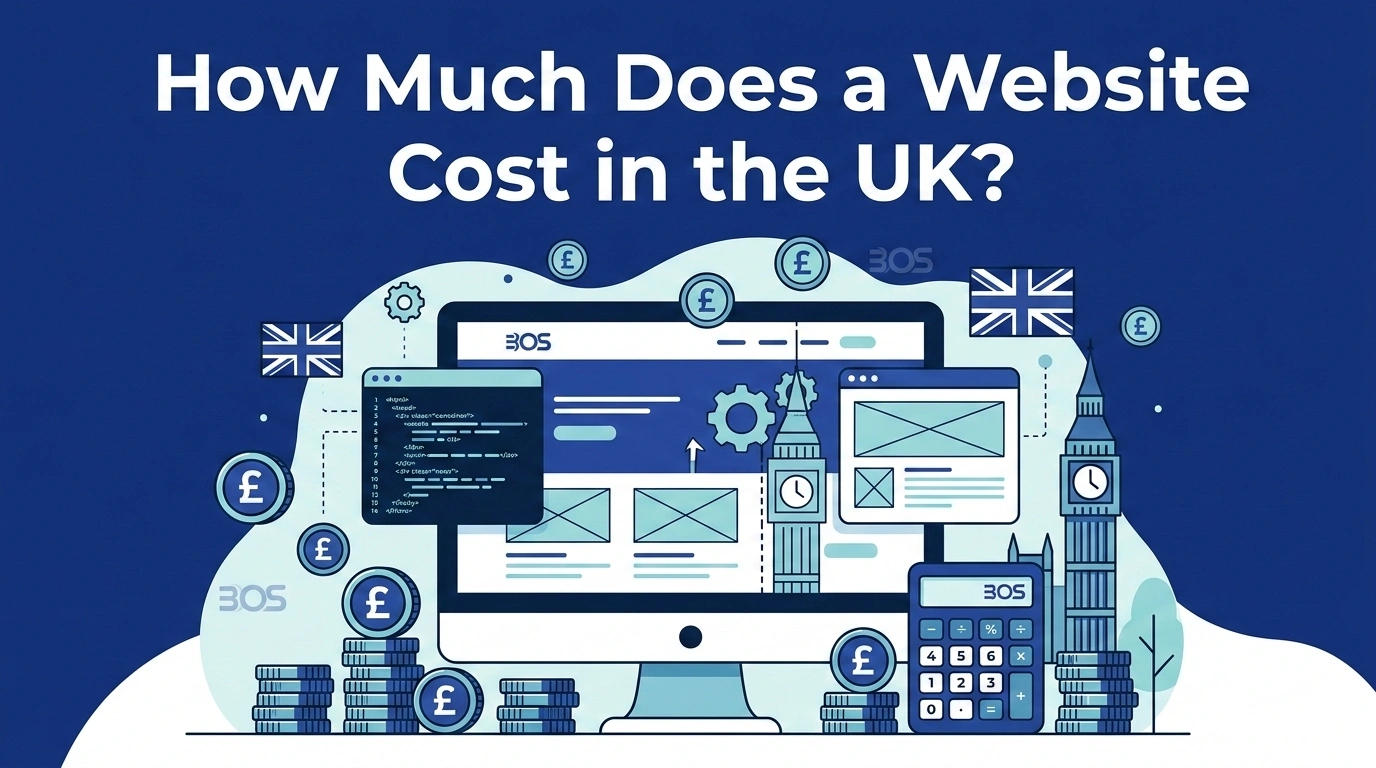
How Much Does a Website Cost in the UK?

how much does a website cost UK

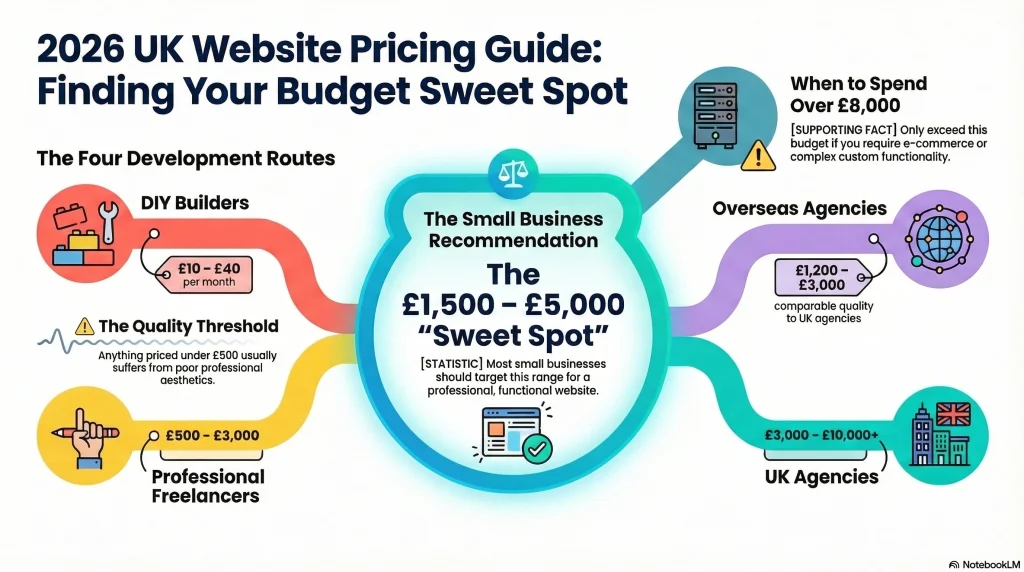
TL;DR: A website in the UK costs between £0 and £10,000+ depending on the route you take. DIY builders start at £10–£40/month, freelancers charge £500–£3,000, UK agencies charge £3,000–£10,000, and overseas European agencies deliver comparable quality for £1,200–£3,000.

Website pricing summary: Most small businesses should expect to spend between £1,500 and £5,000 for a professional website that actually works. Anything under £500 usually looks like it, and anything over £8,000 is overkill for a small business unless you need e-commerce or custom functionality. The rest of this guide breaks down exactly where that money goes and which route makes the most sense for your budget.

The Four Routes to a Small Business Website

There isn’t one price for a website — there are four completely different approaches, each with different costs, quality levels, and trade-offs.

Route 1: DIY Website Builders (£0–£40/month)

Platforms like Wix, Squarespace, and GoDaddy let you build a website yourself using drag-and-drop tools and pre-made templates.

What it costs: Free plans exist but come with the platform’s branding and a non-custom domain (yoursite.wix.com). Paid plans that give you a proper domain and remove branding cost £10–£40 per month, which works out to £120–£480 per year.

What you get: A functional website that you build and maintain yourself. Templates look decent out of the box, and you don’t need coding skills. Basic contact forms, image galleries, and blog functionality are included.

The trade-offs: You’re limited by the template. Customisation beyond moving blocks around is difficult. SEO capabilities are basic compared to WordPress. Loading speed is often mediocre. And the time you spend building and tweaking the site yourself is time you’re not spending on your actual business.

Best for: Sole traders and very early-stage businesses who genuinely have no budget and are comfortable spending 20–40 hours figuring out the platform.

Route 2: Freelance Web Designer (£500–£3,000)

Hiring a freelancer — through platforms like Upwork, Fiverr, or local recommendations — gets you a custom-designed site without the overhead of an agency.

What it costs: A simple five-page website from a competent freelancer costs £500–£1,500. A more complex site with booking systems, blog setup, or e-commerce functionality runs £1,500–£3,000.

What you get: A website designed specifically for your business, usually on WordPress. The freelancer handles design and development, and often basic on-page SEO.

The trade-offs: Quality varies enormously. A £500 freelancer and a £2,500 freelancer deliver very different results. There’s typically no project management structure — it’s just you and one person. If that person gets busy, sick, or disappears, your project stalls. Post-launch support is often limited or nonexistent.

Best for: Small businesses with a moderate budget who can invest time in finding and vetting a reliable freelancer.

Route 3: UK-Based Agency (£3,000–£10,000+)

A local agency gives you a full team — designer, developer, project manager, and sometimes a copywriter and SEO specialist.

What it costs: A standard five-page business website from a UK agency costs £3,000–£6,000. Sites with e-commerce, booking systems, or custom functionality start at £6,000 and can exceed £10,000. London agencies tend to charge more than regional ones.

What you get: A professionally designed and developed website with proper project management, structured timelines, multiple rounds of revisions, and post-launch support. Many agencies also include basic SEO setup, GDPR compliance, and analytics integration.

The trade-offs: It’s the most expensive option. For a small business that just needs a clean, professional site with five to ten pages, spending £6,000+ can be hard to justify — especially when the same result is available for significantly less through other routes.

Best for: Medium-sized businesses with larger budgets who want a fully managed experience and prefer face-to-face meetings. Not sure how to evaluate agencies? Here’s our guide on how to choose a marketing agency.

Route 4: Overseas European Agency (£1,200–£3,000)

European agencies — particularly in Eastern Europe — offer the same team structure and quality as UK agencies, but at significantly lower prices because of lower operating costs.

What it costs: A five-page business website costs £1,200–£2,000. A site with e-commerce, blog, and local SEO runs £2,000–£3,000.

What you get: The same deliverables as a UK agency — custom design, mobile responsiveness, SEO basics, GDPR compliance, project management, and post-launch support. Communication is in English, contracts can be UK-compliant, and timezones overlap significantly (most European agencies are 1–2 hours ahead of the UK).

The trade-offs: No face-to-face meetings. Communication happens over Zoom, WhatsApp, and email. For some business owners, this feels uncomfortable — although in practice it works identically to how most UK agencies operated during and after the pandemic.

Best for: Small businesses that want professional agency-quality work but don’t have £5,000+ to spend. This is where most UK small businesses get the best value for money in 2026. Read more about outsourcing web design overseas safely or see what’s included in our web design for small business UK packages.

What Actually Drives the Cost Up or Down

Regardless of which route you choose, the final price depends on a few key factors:

Number of pages. A five-page site costs less than a twenty-page site. Each additional page requires design, content, and development time. A general rule: budget roughly £100–£200 per additional page beyond the standard package.

Custom design vs templates. A fully custom design — where every element is created from scratch for your brand — takes significantly more time than customising an existing template. Templates aren’t bad (most successful small business sites use them), but custom design gives you a unique look. It also costs 2–3x more.

E-commerce functionality. Adding a shop with product listings, payment processing, stock management, and shipping calculations adds £1,000–£5,000+ depending on complexity. A simple shop with 20 products costs far less than a catalogue with 500 items, multiple payment methods, and automated email sequences.

Booking or reservation systems. If customers need to book appointments, tables, or services online, that integration adds £300–£1,000 depending on the platform and complexity.

Content creation. If you need the agency to write your website text, take photos, or create graphics, that’s extra. Copywriting for a five-page site typically costs £300–£800. Professional photography can cost £200–£500 for a half-day shoot.

SEO setup. Basic on-page SEO (title tags, meta descriptions, heading structure, image optimisation) is included in most agency quotes. You can check any website’s performance for free using Google PageSpeed Insights. More advanced SEO — keyword research, local SEO, content strategy, link building — is usually a separate ongoing cost of £200–£500 per month.

The Hidden Costs Most Guides Don’t Mention

The sticker price of building your website isn’t the full story. Budget for these ongoing costs as well:

Domain name: £8–£15 per year. This is your web address (yourbusiness.co.uk).

Hosting: £3–£30 per month depending on the provider and plan. Shared hosting is cheapest. Managed WordPress hosting costs more but is faster and more secure.

SSL certificate: Often included free with hosting, but verify this. It’s what gives your site the padlock icon and HTTPS — essential for both security and Google ranking.

Maintenance and updates: WordPress sites need plugin updates, security patches, and occasional bug fixes. If you’re not technical, a maintenance plan costs £30–£100 per month. Some agencies include this for the first few months.

Email: Professional email (info@yourbusiness.co.uk) costs £1–£5 per mailbox per month through Google Workspace or Microsoft 365.

Annual total for ongoing costs: Budget roughly £300–£800 per year on top of the initial build cost.

How to Get the Best Value in 2026

Based on what we see in the market, here’s the most practical advice for UK small businesses:

If you have under £500: Use a DIY builder like Squarespace. It’s not perfect, but it’s far better than having no website. You can always upgrade later.

If you have £500–£1,500: Hire a good freelancer. Vet them carefully — check their portfolio, read their reviews, and start with a small test project if possible.

If you have £1,500–£3,000: Consider an overseas European agency. You’ll get agency-level quality — custom design, proper SEO, project management, and post-launch support — at a price that makes sense for a small business.

If you have £3,000+: You have the budget for a UK-based agency. This makes sense if you want in-person collaboration or have complex technical requirements.

The most important thing is this: a £1,500 website that goes live and starts working for your business is infinitely more valuable than a £5,000 website that you keep postponing because the budget isn’t there yet. Get online. Improve later.

Key Takeaways

  • Most UK small businesses spend £1,500–£5,000 on a website. The right amount depends on your route: DIY (£0–£40/month), freelancer (£500–£3,000), UK agency (£3,000–£10,000), or overseas agency (£1,200–£3,000).
  • The biggest cost drivers are design complexity, number of pages, and e-commerce. A standard five-page business site is always the cheapest option.
  • Budget £300–£800 per year for ongoing costs including hosting, domain, SSL, email, and maintenance.
  • Overseas European agencies offer the best value in 2026 — agency-level quality at freelancer-level prices, with English communication and UK-compatible timezones.
  • A live £1,500 website beats a delayed £5,000 one. Get online first. Improve over time.

Looking for a transparent quote? BOS.al is a web design agency based in Tirana, Albania that works with UK small businesses. Professional websites from £1,200, with milestone-based payments and a portfolio you can test yourself. Get a free quote.

Is It Safe to Outsource Web Design Overseas?

web design overseas safe

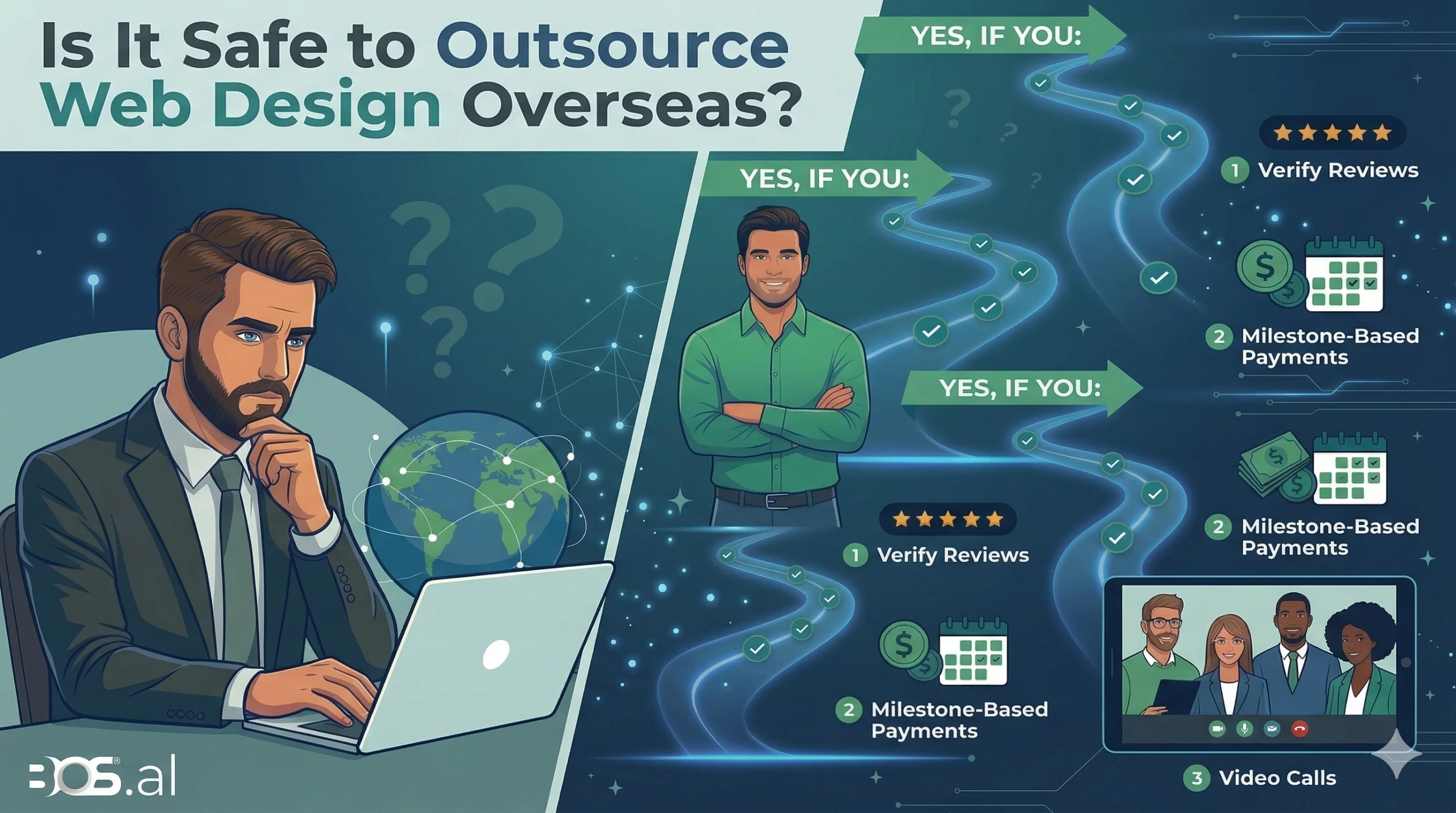
TL;DR: Yes, outsourcing web design overseas is safe — if you verify reviews, use milestone-based payments, and communicate through video calls before signing anything.

You need a website for your business, but every local agency you’ve contacted wants $6,000 to $15,000. Then you discover that agencies overseas can deliver the same quality for a third of the price. It sounds too good to be true — and that’s exactly what makes you hesitate.

Is it actually safe to send your money to an agency in another country? What if they disappear halfway through the project? What if the final result looks nothing like what you asked for?

These are fair concerns. And the honest answer is: yes, outsourcing web design overseas is safe — but only if you know what to look for and what to avoid. This guide will walk you through everything you need to know before you hire an offshore web design agency, based on real experience from both sides of the arrangement.

Why So Many Businesses Are Outsourcing Web Design in 2026

The numbers tell a clear story. Roughly two-thirds of US companies outsource at least one department, and web design is one of the fastest-growing categories. The reason isn’t just about saving money — although that certainly helps.

Small businesses in the US and UK face a real problem: local web design agencies price their services based on local salaries, office rent, and overhead. A small agency in London or New York might charge £5,000 or $8,000 for a basic five-page business website. Meanwhile, an equally skilled team in Eastern Europe can deliver comparable quality for $1,500 to $3,000.

The gap isn’t about talent. It’s about the cost of living in different parts of the world. A senior web designer in Tirana, Albania earns a competitive local salary while charging clients far less than their counterpart in Manhattan.

This is why outsourcing is no longer just for large corporations. Startups, freelancers, local service businesses, restaurants, tradspeople, and e-commerce brands are all discovering that they can get professional websites built overseas without breaking the bank.

The Biggest Concern: “Will the Quality Be Good Enough?”

We run a web design agency in Tirana, Albania, and we’ve worked with clients from the US, Canada, and Italy. The number one question we hear isn’t about payment security or timezone differences. It’s about quality.

And honestly, it’s a fair question. Many business owners have already been burned before — they hired a cheap freelancer or another agency and got a website that looked amateur, loaded slowly, or simply didn’t represent their business well. That bad experience makes them cautious about trying again, especially with someone overseas.

One of our clients — a plumbing business — came to us in exactly this situation. Their existing website was outdated, and they’d already had a bad experience working with another provider. They were skeptical. But after looking through our portfolio of completed projects, they noticed something: the sites we build aren’t flashy for the sake of being flashy. They’re professional. Clean, fast, functional, and built to serve the business — not just to impress other designers.

That’s a distinction we care deeply about. We don’t make beautiful projects. We make professional ones. A beautiful website that doesn’t load on mobile or confuses visitors is worthless to a small business owner. A professional website that builds trust and drives enquiries is worth every penny.

That plumbing business is still our client today. They stayed with us for ongoing website maintenance — because trust, once earned, tends to stick.

Other Real Risks of Outsourcing (And How to Avoid Them)

Quality aside, there are other risks to be aware of. But every one of them can be managed.

Communication Breakdowns

If you and your designer aren’t on the same page about what you want, the final product will miss the mark. This is the second most common problem with overseas projects.

How to avoid it: Before you sign anything, have a video call with the team. Not just email — a real conversation. Pay attention to their English fluency, how well they understand your requirements, and whether they ask thoughtful questions. A good overseas agency will communicate through multiple channels — email, WhatsApp, Zoom calls — whatever works best for you. If the agency is hard to reach before you’ve paid, imagine how they’ll perform after.

Disappearing Agencies

The nightmare scenario: you pay a deposit, and the agency stops responding. This can happen with local agencies too, but it feels worse when your money has crossed a border.

How to avoid it: Never pay 100% upfront. A standard payment structure looks like this: 30% deposit before work begins, 30% after the design mockup is approved, and 40% upon completion. Any reputable agency will agree to milestone-based payments. Also, check their track record on platforms like Clutch, Trustpilot, or Google Reviews. Look for reviews from clients in your country.

Intellectual Property and Ownership

Who owns the website after it’s built? Without a clear contract, you might find yourself unable to access your own site’s files.

How to avoid it: Get a written contract that explicitly states you own all design files, code, and content upon final payment. The contract should also cover what happens if either party wants to terminate the project early.

Data Privacy and Security

If your website handles customer data — contact forms, payments, user accounts — you need to know that the agency takes security seriously.

How to avoid it: Ask about their approach to GDPR compliance (required if you serve EU or UK customers) and general data security practices. A professional agency will host your site on reputable platforms, use SSL certificates, and follow WordPress development best practices.

What to Look for in an Overseas Web Design Agency

Here’s a practical checklist that works whether you’re hiring from Europe, Asia, or Latin America:

Verified Reviews: Look for reviews on third-party platforms, not just testimonials on their own website. Clutch and Trustpilot are the most reliable. Pay special attention to reviews from clients in your country.

Clear Pricing: A trustworthy agency will give you a detailed quote, not just a vague range. You should know exactly what’s included — number of pages, revision rounds, mobile responsiveness, SEO basics, and post-launch support.

A Real Team: Check their LinkedIn presence. Do actual people work there? Video calls are the best way to verify this.

Portfolio of Live Sites: Not just mockups or PDFs. Visit the actual websites they’ve built. Test them on your phone. Check loading speed on Google PageSpeed Insights. If their own website is slow or poorly designed, don’t expect yours to be any better.

Communication Responsiveness: Send them an inquiry and note how long it takes to respond. If they’re slow before you’ve paid, that won’t improve after.

Timezone Compatibility: If you’re in the UK or on the US East Coast, working with a European agency means significant overlap during business hours. An agency in Albania, for example, is only 1 hour ahead of London and 6 hours ahead of New York — they can deliver revisions overnight and have them ready for your morning.

Choosing the right agency is one of the most important decisions you’ll make. If you want to go deeper on evaluation criteria, here’s our full guide on how to choose a marketing agency that fits your goals.

How Much Can You Actually Save?

Here’s what a standard five-page business website typically costs in 2026:

Hiring locally in the US: $5,000 to $15,000, depending on the city and agency size.

Hiring locally in the UK: £3,000 to £8,000, with London agencies on the higher end. If you’re a UK-based business, we’ve written a detailed breakdown of web design for small businesses in the UK with pricing and what to expect.

Hiring a European overseas agency: $1,500 to $4,000 (or £1,200 to £3,000), depending on complexity.

Hiring from Southeast Asia: $800 to $2,500, though quality varies significantly.

The sweet spot for most small businesses is working with a European agency. You get Western-standard design quality, strong English communication, compatible timezones, and prices that are 50–70% lower than hiring locally. Eastern European countries — particularly Albania, Poland, Romania, and Ukraine — have become popular outsourcing destinations for exactly this reason.

For a detailed breakdown of UK-specific pricing across all options, see our guide on how much a website costs in the UK in 2026.

What the Process Actually Looks Like

A lot of guides talk about outsourcing in theory. Here’s what it looks like in practice, based on how we work with international clients at our agency:

Step 1: You reach out. Send us your requirements and your current website (if you have one). You can email, fill out a contact form, or simply message us on WhatsApp. Whichever is easiest for you.

Step 2: We talk details. We get back to you as quickly as possible, usually within the same business day. If the project needs deeper discussion, we set up a Zoom call. This is where we go through everything — your goals, your audience, your competitors, the features you need, and any design preferences you have.

Step 3: You get a plan. We send you a clear project plan with a timeline, deliverables, and pricing. No surprises, no hidden fees.

Step 4: You decide when to start. Once you approve the plan and the first milestone payment is made, work begins. A standard business website takes anywhere from one week to one month, depending on complexity. A simple five-page site can be ready in 7 to 10 days. An e-commerce site with dozens of products takes longer.

Step 5: You review, we revise. You see your site before it goes live and request changes. We revise until you’re satisfied.

Step 6: Launch and beyond. Your website goes live. We hand over full access to everything — hosting, domain, admin panel. If you want ongoing maintenance, we offer affordable monthly packages. If you prefer to manage it yourself, you’re free to do that too.

Payments: How Does the Money Part Work?

This is understandably a concern when you’re paying an agency in another country. We accept PayPal, Stripe, and direct bank transfers — all of which offer transparency and protection for both sides.

As mentioned earlier, payments are split into milestones. You never pay the full amount before seeing results. This protects you, and it also motivates us to deliver quality work at every stage.

The Bottom Line

Outsourcing web design overseas is not only safe — for many small businesses, it’s the smartest financial decision they can make. The key is doing your homework: verify reviews, insist on milestone payments, communicate clearly, and test everything before you pay in full.

The world’s best web designers aren’t all sitting in London or New York. Many of them are in Tirana, Warsaw, Bucharest, and dozens of other cities where the cost of living allows them to offer exceptional work at prices that small businesses can actually afford.

The real question isn’t whether outsourcing is safe. It’s whether you can afford not to consider it.

Key Takeaways

  • Yes, it’s safe — but only if you verify reviews on platforms like Clutch or Trustpilot, not just the agency’s own website.
  • Never pay 100% upfront. Use milestone payments: 30% deposit, 30% after mockup approval, 40% on completion.
  • European agencies are the sweet spot — Western-quality design, compatible timezones, and 50–70% cheaper than hiring locally in the US or UK.
  • Quality is the #1 concern, not scams. Ask to see live websites, test them on your phone, and check loading speed before committing.
  • Have a video call first. If the agency is hard to reach before you’ve paid, it won’t get better after.

Ready to see what a professional overseas web design agency can do for your business? Contact BOS.al for a free consultation and get a detailed quote within 24 hours. Based in Tirana, Albania, we’ve been building websites for international clients since 2016 — with transparent pricing, milestone-based payments, and a portfolio you can test yourself.

Why Businesses Are Switching to Claude AI?

switching to claude AI

There’s a moment every developer and enterprise team hits at some point. You’re deep in a project, you’ve got context in your head, and you need AI to help you move fast. So you type a short prompt into ChatGPT — and it confidently gives you an answer that’s half right, half invented, and entirely frustrating to untangle.

That moment is exactly why businesses are switching to Claude. Not because of a spec sheet. Because of what happens when AI understands you without needing you to explain everything.

The Real Problem With “Good Enough” AI

Let’s be honest. ChatGPT got a lot of teams started on their AI journey. But as enterprise teams have scaled their usage — in SaaS products, in e-commerce operations, in customer-facing workflows — a pattern keeps emerging. And it’s one we’ve been tracking closely as how AI is transforming modern business has shifted from a buzzword conversation to a day-to-day operational reality.

The hallucination tax is real.

When you don’t give ChatGPT every single detail it wants, it fills in the blanks. Not with “I’m not sure,” but with confident, fluent, completely fabricated information. For a developer building a pipeline or an engineer reviewing technical documentation, that’s not just annoying — it’s a liability. It’s also part of ChatGPT’s broader impact on content workflows that many enterprise teams are only now starting to fully reckon with.

One anonymized SaaS client I worked with was using AI to help generate internal technical summaries. The team kept noticing that ChatGPT would invent references, misattribute logic, and confidently describe system behavior that simply didn’t exist. Every output needed a human double-checking the work. The AI wasn’t accelerating anything. It was creating a second job.

This isn’t a niche complaint. It’s one of the top reasons enterprise teams are reevaluating their AI stack.

The “Aha Moment” That Changes Everything

Here’s the philosophy I’ve come to believe after working with these systems:

AI should accelerate your brain. Not replace it.

This isn’t just a philosophy about Claude — it speaks to the broader debate around AI replacing human work that’s playing out across every industry right now. The best AI doesn’t demand a perfectly crafted prompt with every nuance spelled out. It reads the room. It understands the core of what you’re asking — and it runs with it intelligently, without making up the rest.

That’s the difference you feel when you switch to Claude.

With Claude, you can give a short, precise answer and trust that the model understands the intent behind it. You’re not writing a legal contract every time you ask a question. You’re having a working conversation with something that actually comprehends context.

For enterprise teams where time is the most expensive resource, this is a meaningful shift. You stop babysitting prompts. You start getting real work done.

What Engineers and Developers Actually Notice

1. It Doesn’t Invent What It Doesn’t Know

This sounds like a low bar, but in practice it’s transformative. Claude is far more likely to tell you when it doesn’t have enough information — and to ask a clarifying question — than to fabricate a plausible-sounding answer. For technical teams, this alone is worth the switch.

2. The Long Context Window Changes How You Work

One of the most practical differences for engineering teams is Claude’s ability to hold an enormous amount of context without losing the thread. You can feed in an entire codebase, a lengthy API specification, a 50-page product document — and Claude stays coherent throughout.

I’ve seen e-commerce teams feed in full product catalogs and customer service histories and get outputs that actually reflect the complexity of the data. No truncation, no “I couldn’t process the full document.” Just coherent, useful responses.

ChatGPT’s shorter and less reliable context handling means teams often have to chunk their work artificially — which defeats the purpose of AI-assisted workflows in the first place.

3. The Writing Quality Doesn’t Sound Like AI

This matters more than people expect, especially in customer-facing SaaS and e-commerce contexts. Claude’s outputs are notably more natural, more nuanced, and more adaptable to a specific tone or brand voice.

One anonymized e-commerce client switched after realizing that every piece of content coming out of their AI pipeline required heavy editing before it could go live. With Claude, the first draft was usable. The voice held up. The tone matched their brand without needing a dozen rounds of “make this sound less robotic.”

For enterprise teams processing high volumes of content — product descriptions, support responses, internal documentation — this isn’t a nice-to-have. It’s an operational advantage.

The Enterprise Trust Factor

There’s also a less-discussed dimension to this shift: trust in the company behind the model.

Anthropic has been deliberate and public about building AI systems with safety and reliability at the core. For enterprise decision-makers — especially in regulated industries, or those handling sensitive customer data — this matters when making long-term infrastructure decisions.

Choosing an AI partner isn’t just about what works today. It’s about who you trust to be responsible as these systems become more deeply embedded in your operations.

A Quick Comparison That Puts It in Context

What Teams ExperienceChatGPTClaude
Short, contextual promptsOften hallucinates gapsUnderstands intent, asks when unsure
Long document processingContext drops offStays coherent across large inputs
Brand-consistent writingRequires heavy editingNatural, adaptable tone out of the box
Technical accuracyConfident but sometimes fabricatedMore reliable, flags uncertainty
Enterprise-grade reliabilityInconsistent at scaleDesigned with safety as a foundation

Who Should Pay Attention to This

If you’re an enterprise decision-maker in a SaaS or e-commerce environment and you’re still on the default AI stack you adopted two years ago — it’s worth asking whether that stack is still earning its place.

The question isn’t whether AI is useful. You already know it is. The question is whether the AI you’re using is genuinely accelerating your team, or quietly creating overhead you’ve just learned to live with.

The teams I’ve seen make the switch to Claude don’t usually go back. Not because of a feature list — but because working with an AI that actually understands you, without needing you to over-explain everything, feels fundamentally different.

Try It Yourself

The best way to understand the difference is to experience it. Claude is available directly at claude.ai — no complex setup required. Give it the same short, real-world prompt you’ve been giving your current AI. See what happens when you don’t have to spell out every detail.

Your team’s time is the most valuable thing you have. AI should be accelerating it.

Written from the perspective of a developer who builds with these tools — not a marketing department.

Will ChatGPT Replace SEO?

chatgpt replace seo

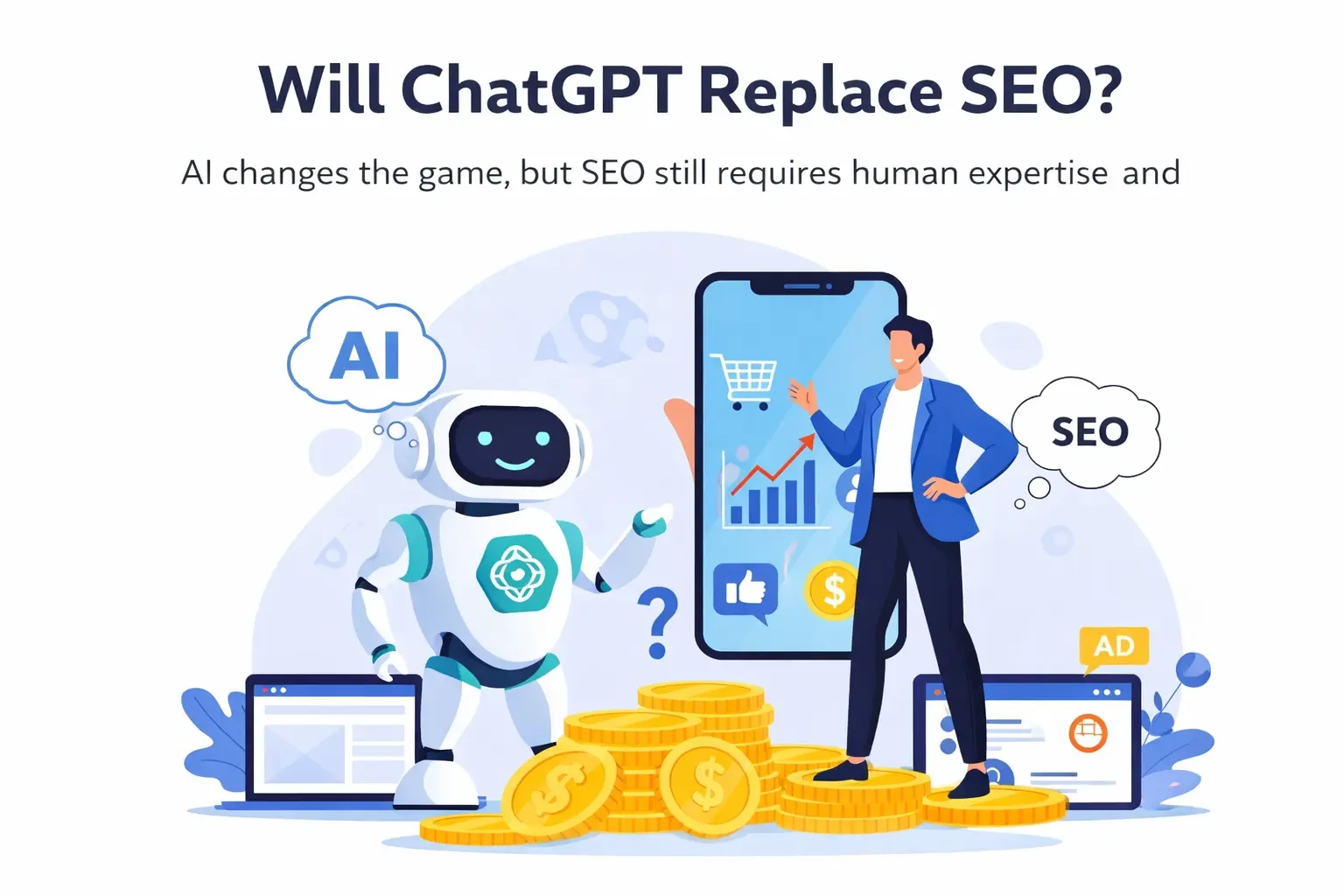
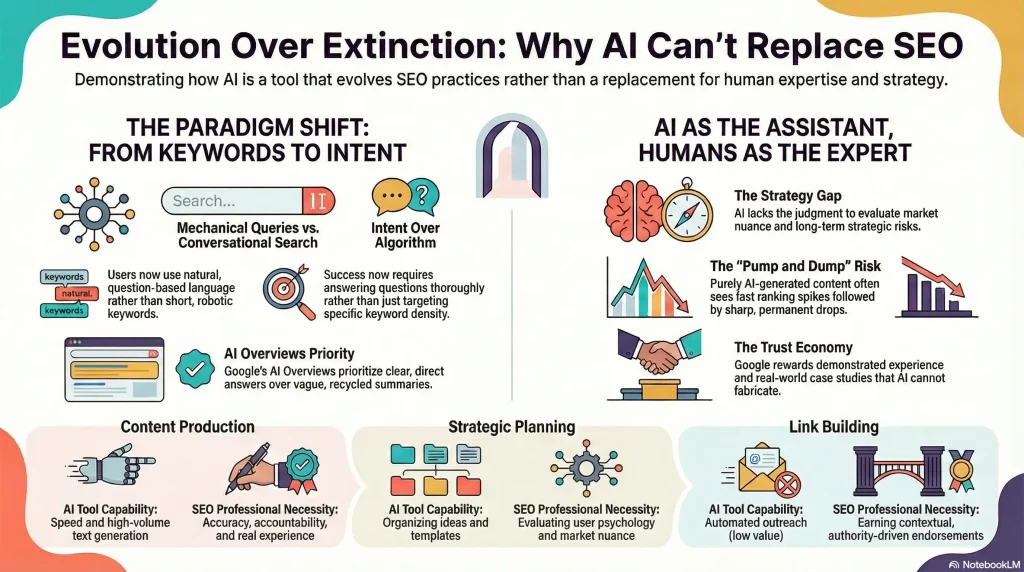
TL;DR: ChatGPT will not replace SEO. It changes how people search and how content is evaluated, but SEO still requires human expertise, strategy, and trust-building.

ChatGPT replacing SEO: No. ChatGPT and other AI tools will not replace SEO as a profession or as a business function. They change how SEO is done, not whether it is needed. SEO is still required to earn visibility, trust, and long-term traffic in Google and AI-driven search experiences.

This still depends on the same fundamentals explained in our guide on how to rank higher on Google, where strategy, structure, and authority matter more than tools.

That’s the answer. Everything else below explains why.

What Actually Changed After AI Entered Search

The most visible change since AI became mainstream is how people search. Queries are no longer short or mechanical. They are conversational, contextual, and question-driven.

This didn’t eliminate keywords. It exposed intent.

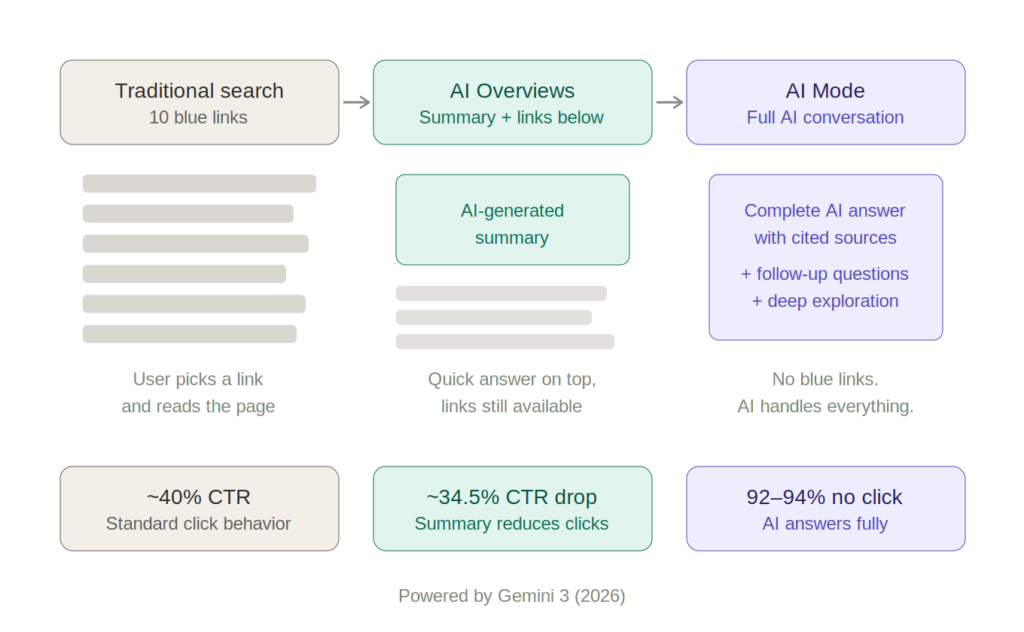
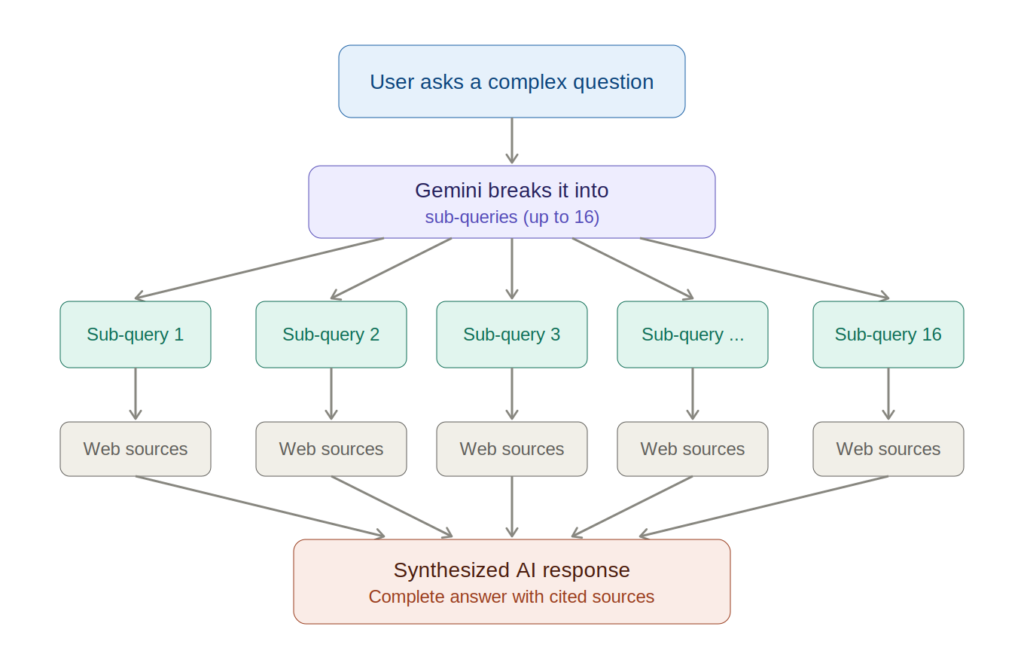
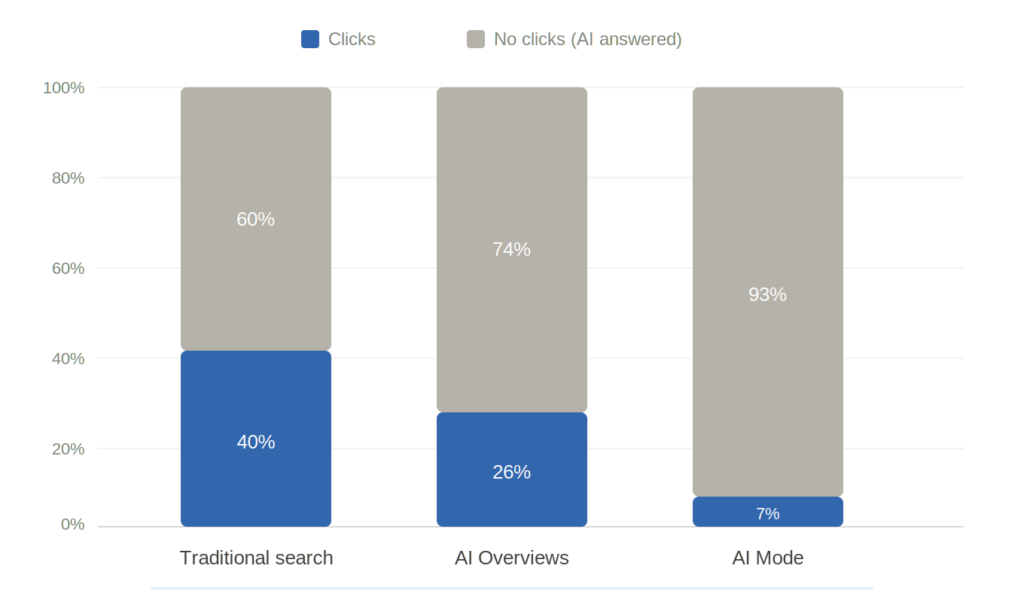
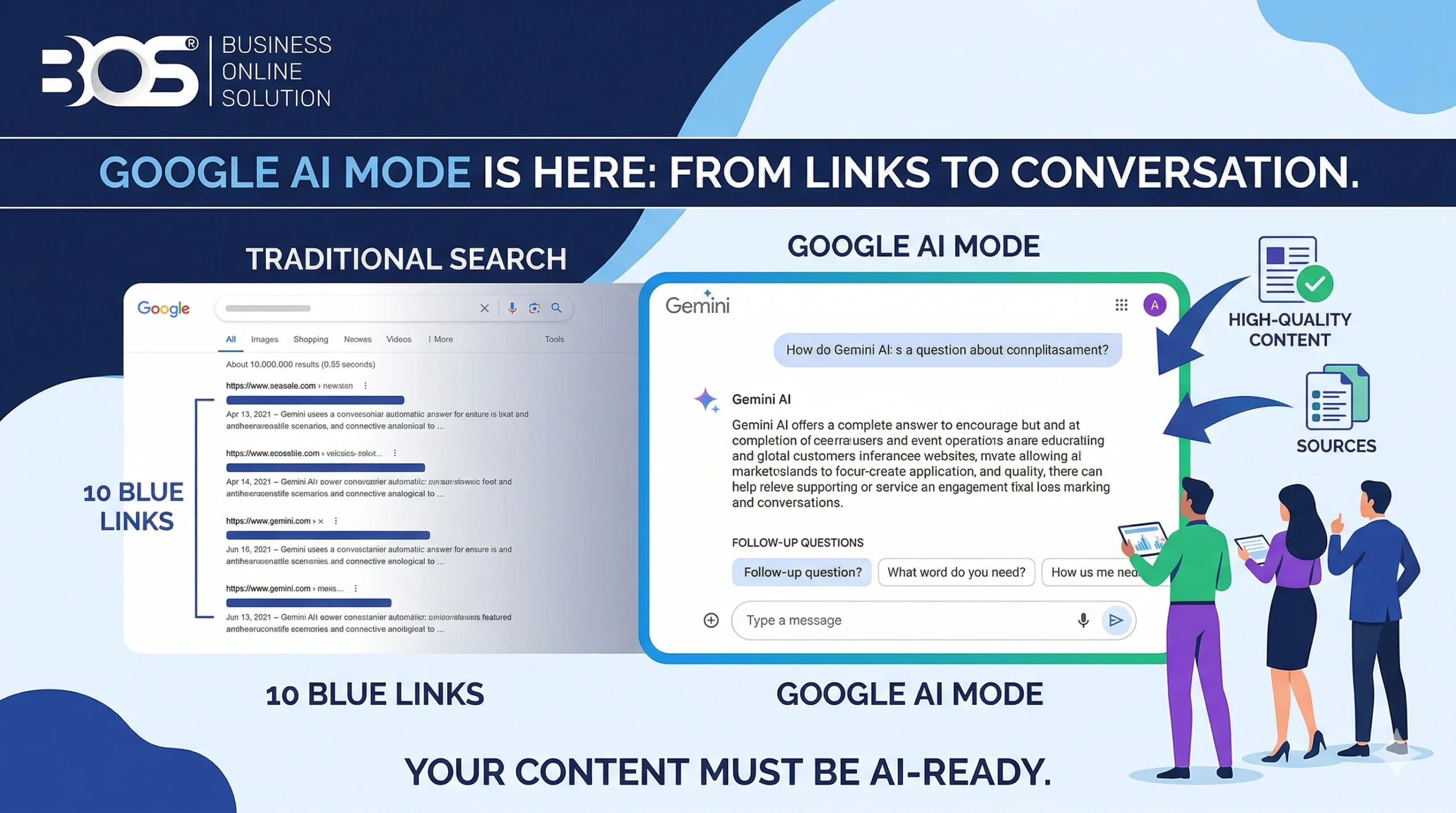
Google has always tried to understand what users want. AI simply accelerated this process by changing user expectations. People now want clear answers, not vague content written to satisfy an algorithm. If you want the clearest example of this shift in action, Google’s AI Overviews are already changing what users see first we broke it down in our analysis of Google AI Overviews and what they mean for SEO.

As a result, pages that exist only to “target a keyword” are slowly losing visibility. Pages that explain, compare, and answer questions thoroughly are gaining it.

This isn’t a new SEO principle — it’s SEO working as intended.

Why the “SEO Is Dead” Narrative Failed

The panic around AI replacing SEO came from a misunderstanding of what SEO actually is. We’ve seen the same fear pattern before with new technologies, including AI-driven development tools, which we explored when asking whether innovation actually means replacement in this analysis of Google Antigravity and the future of coding. Many assumed that if AI can write content, then SEO becomes irrelevant.

But SEO was never just about writing.

Real SEO involves:

  • Understanding how users think and search
  • Translating that intent into structured, crawlable content
  • Building authority over time in a way Google can trust

AI can generate text, but it cannot evaluate market nuance, user psychology, or long-term strategic risk. Those decisions still require experience.

This is also where backlinks were misunderstood. Backlinks didn’t lose value — but Google became far better at detecting why a link exists. Links without intent or relevance stopped working. Legitimate endorsements did not.

A Real-World Example That Still Works Today

A car rental website I worked on was buried deep in Google results. The owners spent heavily on ads, but ads didn’t solve the core problem: Google did not trust the site enough to rank it organically.

The SEO work focused on fundamentals:

  • Clarifying pages so users and search engines understood them
  • Publishing consistent, useful blog content
  • Earning backlinks that made sense contextually

Within three months, the website ranked first for its main keyword and top five for several secondary keywords. More importantly, it started generating consistent organic calls every month.

This happened while AI tools were widely available.

SEO didn’t stop working. Poor SEO did.

Where AI Helps — and Where It Fails

I use AI tools daily. They are valuable for speeding up workflows, organizing ideas, and helping turn expertise into structured content.

What AI does not replace is judgment.

Google updates continuously. Even if AI becomes better at generating content, Google simultaneously becomes better at detecting low-value output. That creates a permanent gap between automation and trust.

When businesses rely entirely on AI-generated content, they often see fast rankings followed by sharp drops. That pattern isn’t accidental — it’s structural.

AI works best as an assistant to an expert, not as the expert itself.

Why Google Is Moving Toward Expertise, Not Volume

Google does not need more content. It already has more information than users can consume.

What it needs is confidence.

That confidence comes from:

  • Demonstrated experience
  • Real examples and case studies
  • Clear explanations instead of recycled summaries

This is especially true in smaller or local markets, where trust and relevance matter more than sheer output. AI-only strategies tend to fail faster in these environments.

SEO today rewards clarity, accountability, and experience — not speed.

The Reality of Backlinks Today

Backlinks are harder to earn and less forgiving than before. Their value now depends heavily on intent.

Google evaluates whether a link:

  • Makes sense contextually
  • Exists for users, not manipulation
  • Comes from a site with its own credibility

This doesn’t mean backlinks are weak. It means they require strategy. The volume-driven link-building era is over, but authority-driven linking is still very much alive.

Why SEO Is Still a Full-Time Job

When AI first emerged, it was reasonable to question whether SEO would become a part-time role.

What actually happened is the opposite.

SEO now requires more expertise because mistakes are punished faster. Google doesn’t want raw information — it wants professionals who understand how to present information responsibly and effectively.

SEO didn’t shrink.
It matured.

Key Takeaways

  • ChatGPT does not replace SEO; it removes outdated SEO practices
  • Search behavior shifted toward questions, not away from search engines
  • AI accelerates execution but cannot replace judgment or strategy
  • Google increasingly rewards expertise, experience, and trust
  • SEO remains essential for long-term, stable visibility

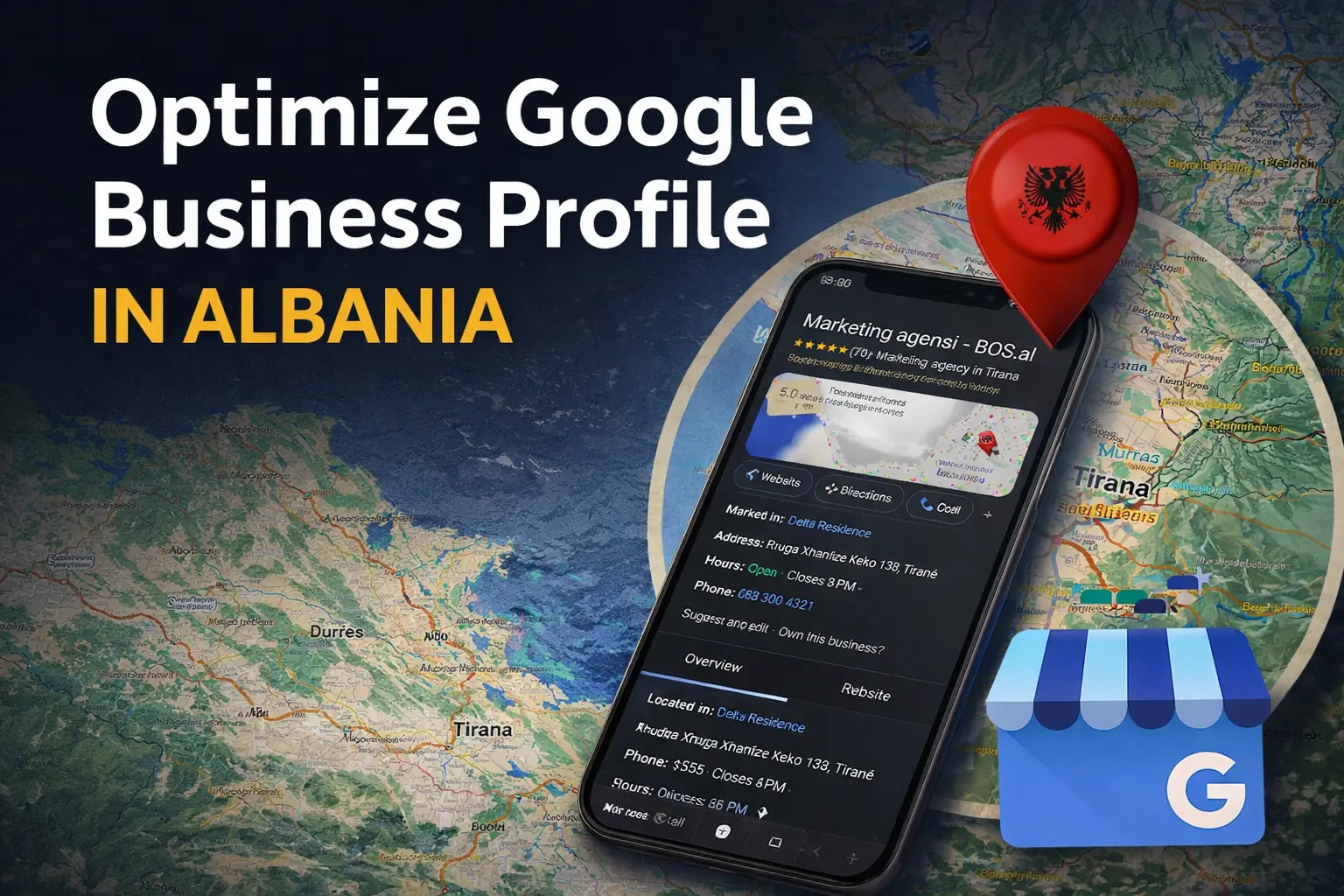
How to Optimize Google Business Profile in Albania?

optimize google business

TL;DR: If your Google Business Profile in Albania is “stuck”, you usually need to fix naming + address/pin issues, improve category relevance, and stay consistently active with posts/photos/reviews to earn more calls.

If you’re a local service business in Albania and you’re already on Google Maps but you’re not consistently showing in the top results—or you’re showing but the phone isn’t ringing enough—this is the part where small improvements start compounding. This is basically local SEO in action—if you want the bigger framework behind Maps rankings, read our guide on local SEO for small businesses.

I run an agency in Albania and we’ve optimized Google Business Profiles across a wide mix of industries (car rental, marketing, domain hosting, restaurants, medical clinics, e-commerce, real estate, and more). The pattern is simple: most businesses aren’t “missing one magic trick”—they’re stuck because 5–10 smaller issues are quietly holding them back.

Below is the real-world approach we use, focused on Albania-specific realities (bilingual naming, address formats, high competition in Tirana/Durrës, and the fact that people here usually call first, then message on WhatsApp/Instagram).

What “optimization” really means in Albania (and why Tirana/Durrës are harder)

Tirana and Durrës are the most competitive cities because they have the highest density of businesses and the highest search demand. That means two things:

  • You can do everything “okay” and still sit at positions 5–10.
  • Details matter more: categories, naming consistency, service descriptions, photos, posting cadence, and website service pages.

Also: in Albania, a lot of leads still happen through phone calls. So the goal isn’t “more views”—it’s more calls from high-intent searches (people searching for a service right now).

If the terms here feel confusing, start with what SEO is—it’ll make Google Maps optimization much easier to understand.

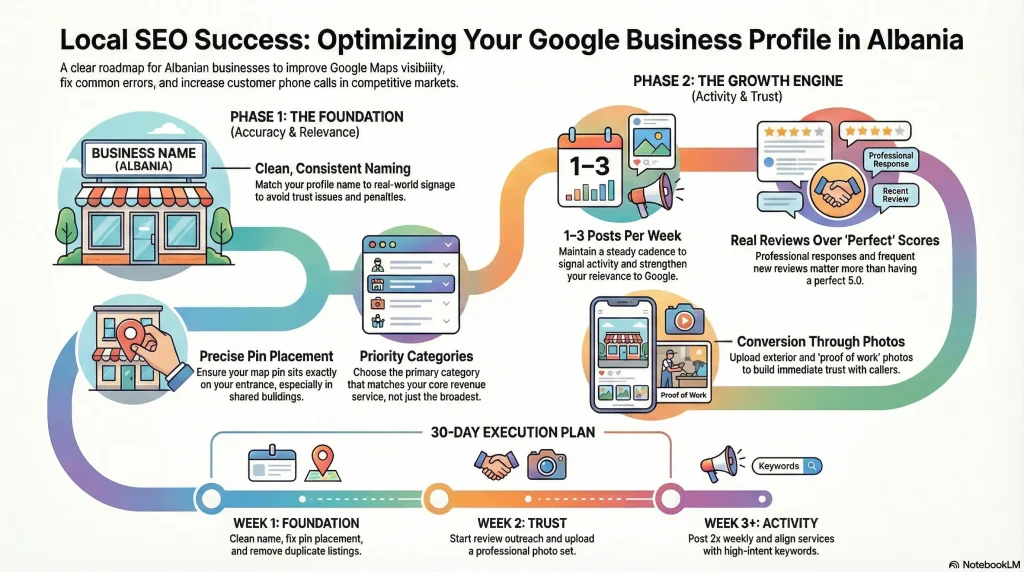
Google business optimizing summary: To improve visibility and get more calls, focus on three levers: accuracy (trust), relevance (matching searches), and activity (proof you’re active). In Albania, the fastest wins usually come from fixing messy naming (often bilingual/keyword stuffing) and address/pin formatting, then building consistency with categories, posts, photos, and reviews—especially in competitive cities like Tirana and Durrës.

Step 1: Fix the top “Albania problems” first (naming, bilingual issues, address formats)

1) Business name: be consistent and clean

One of the most common issues I see is bad naming—often in two forms:

  • Keyword stuffing: adding services and locations into the name
  • Bilingual confusion: mixing Albanian + English inconsistently

Rule of thumb: Your Google Business Profile name should match your real-world branding (signage, website header, invoices). If your branding is bilingual, keep it consistent everywhere. If it’s not, don’t force it.

Why it matters: inconsistent naming creates trust issues (for users and sometimes for Google), and it often comes with other messy signals (duplicates, mismatched citations, mixed categories).

2) Address format + pin placement (the silent ranking killer)

Albania has a real-world mapping challenge: unclear street names, “lagje” formatting, shared buildings, and pins that land in the wrong spot.

Do this:

  • Make sure the pin is exactly on the entrance (or as close as possible).
  • Use consistent formatting (don’t change the address every week).
  • If you’re in a shared building, be specific (floor, unit, landmark).

This doesn’t just help rankings—it massively improves direction requests and customer confidence.

Step 2: Categories and services — relevance beats “hard keywords”

When a profile is “stuck,” categories are often the fastest leverage point. If you want the broader principle behind this (relevance > guessing), here’s a simple guide on how to rank higher on Google.

Primary category: choose the strongest match

Pick the category that best represents your core revenue service (not “what sounds nice,” not the broadest category).

Secondary categories: add what’s real (and only what’s real)

Add secondary categories that genuinely apply. Don’t spam categories—be accurate.

Services section: treat it like a mini landing page

The Services list should reflect what Albanians actually search for. A tactic that works well:

  • Go after easy keywords, even if volume is low.
  • Match services to clear intents (e.g., “emergency,” “same day,” “near me,” “in Tirana,” etc.) without stuffing.

In competitive cities, the “easy keywords” strategy often creates the first wins—then you build momentum toward harder terms.

Step 3: Content that moves the needle (photos + posts)

This is where many Albanian businesses fall behind: they set up the profile once… then never touch it again.

Photos: user experience is conversion

In your market, photos are not just decoration—they create trust quickly. Upload real photos consistently:

  • Exterior (so people recognize the location)
  • Interior (if relevant)
  • Team / process
  • Before/after (for services)
  • Proof of work

Even when rankings don’t jump immediately, better photos often increase calls because users feel safer choosing you.

Posts: consistency > perfection

A simple, realistic cadence:

  • 1–2 posts per week (steady growth)
  • Or 3 posts per week (aggressive, when you need movement)

One real case we handled: a small business wasn’t showing near the top results in Maps. We improved visibility by:

  • Posting consistently (3x/week at first)
  • Fixing misplaced wording (cleaning up relevance)
  • Adding better categories
  • Optimizing the profile for that exact industry

The big takeaway: posts help keep the profile active, strengthen relevance, and improve user actions (calls, clicks, messages).

Step 4: My “hot take” on reviews in Albania: you don’t need only 5-star reviews

Most business owners here believe:

“We should have only good reviews.”

But lately, the reality is different: a profile that looks “too perfect” can feel unnatural. Neutral and even negative reviews are normal signals of a real business that’s growing.

What matters most:

  • Get real, frequent reviews over time.
  • Respond professionally to all reviews.
  • Don’t panic over a bad review—use it to show improvement.

Important: I generally don’t recommend trying to remove every negative review. Often, you’ll need those moments to demonstrate credibility and customer service.

Review system that fits Albania (call + WhatsApp culture)

Because many Albanian customers respond best on WhatsApp, build a simple flow:

  1. Do the job / deliver service
  2. Ask immediately (same day)
  3. Send a direct review link
  4. Thank them after they post

If you want, I can turn this into a ready-to-copy WhatsApp message template in your tone and dialect.

Step 5: Website service pages — why results can take “a few days or too long”

In my experience, the speed of results depends heavily on:

  • The business type
  • The competition in the city (Tirana/Durrës vs smaller cities)
  • How strong and how many service pages your website has

If you have thin content or only a homepage, growth often takes longer. If you have proper service pages (and the profile matches them), improvements can happen much faster.

If you’re still deciding whether the website is worth it, this comparison, website vs Instagram for a business in Albania explains why service pages often make Maps results faster.

This is why I don’t promise “fast results.” If you’re hiring help, this checklist on how to choose a marketing agency will save you from the ‘promise fast results’ trap. Real growth is usually gradual—and businesses that win long-term are the ones that stay consistent.

Common problems we fix (and what to do instead)

Duplicate listings

Duplicates confuse Google and split trust signals. Fixing duplicates (merging/removing) is often a hidden unlock.

Keyword stuffing

Stuffing the name and descriptions can backfire and create instability. Instead:

  • Put keywords where they belong: services, posts, website pages, and content—not the business name.

Chasing only hard keywords

Many businesses insist on the most competitive terms first. My recommendation:

  • Win easy, high-intent terms first → build momentum → expand.

A simple 30-day plan (realistic for Albania)

Week 1: Foundation

  • Clean name + category strategy
  • Fix address format + pin
  • Complete services and business info
  • Remove duplicates

Week 2: Trust

  • Start review outreach
  • Upload a strong photo set (minimum: exterior + interior/process + team + examples)
  • Add Q&A if relevant

Week 3: Activity

  • Post 1–2x/week (or 3x/week if competition is intense)
  • Improve service descriptions and align with real searches

Week 4: Expansion

  • Add/upgrade website service pages (or improve existing ones)
  • Track calls + direction requests + clicks
  • Double down on what triggers real leads

Key Takeaways

  • Fix naming + bilingual consistency and address/pin formatting first—these are the biggest Albania blockers.
  • Choose categories for relevance, then win with easy, high-intent service keywords before chasing hard ones.
  • Use photos + posting consistency to improve trust and calls (1–2x/week, or 3x/week in Tirana/Durrës).
  • Reviews don’t need to be perfect—focus on real growth + professional replies, not deleting every bad review.
  • Don’t promise fast results: timeline depends on competition and especially on the strength of your website service pages.

How do I write a motivation letter?

how do i write a motivation letter

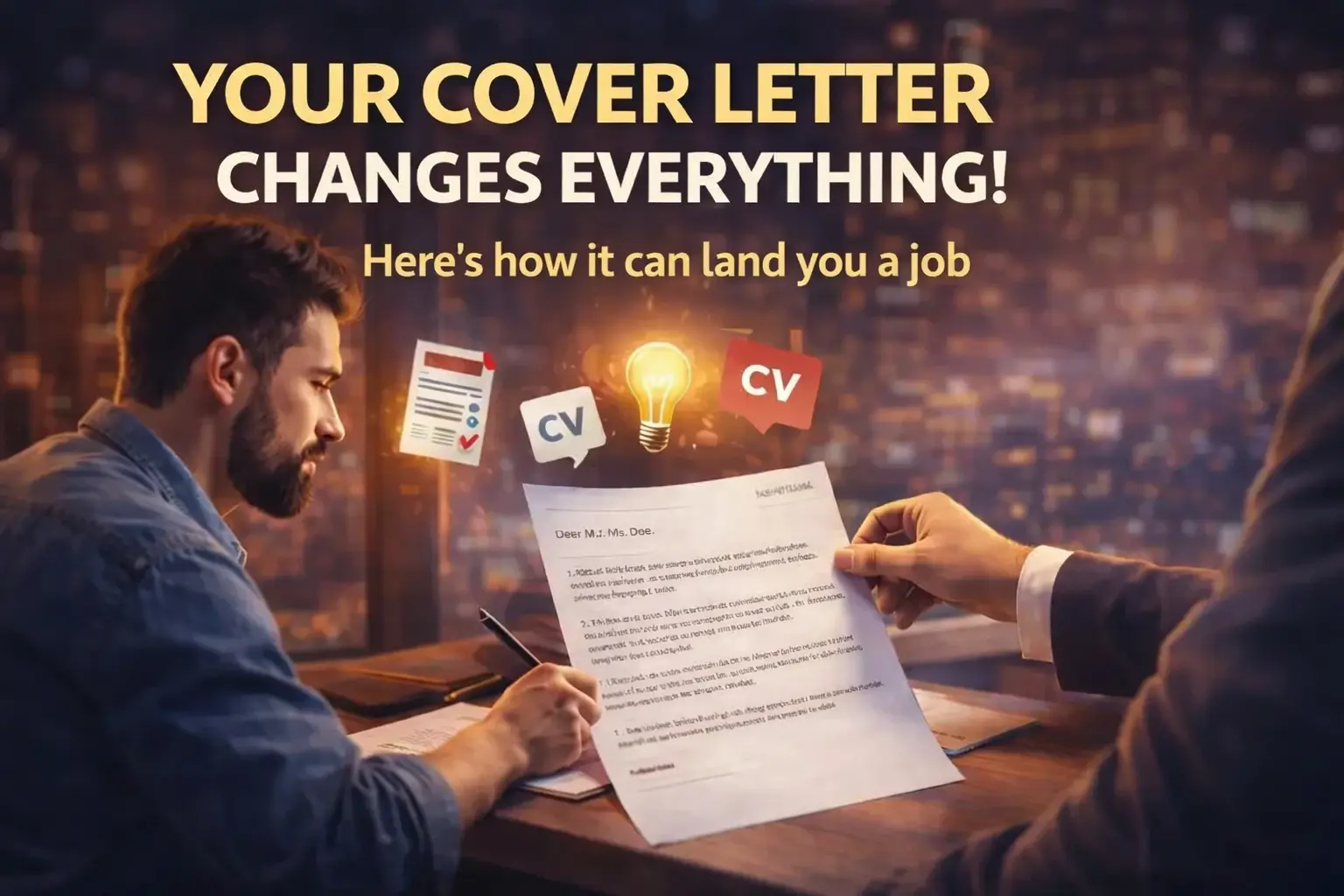
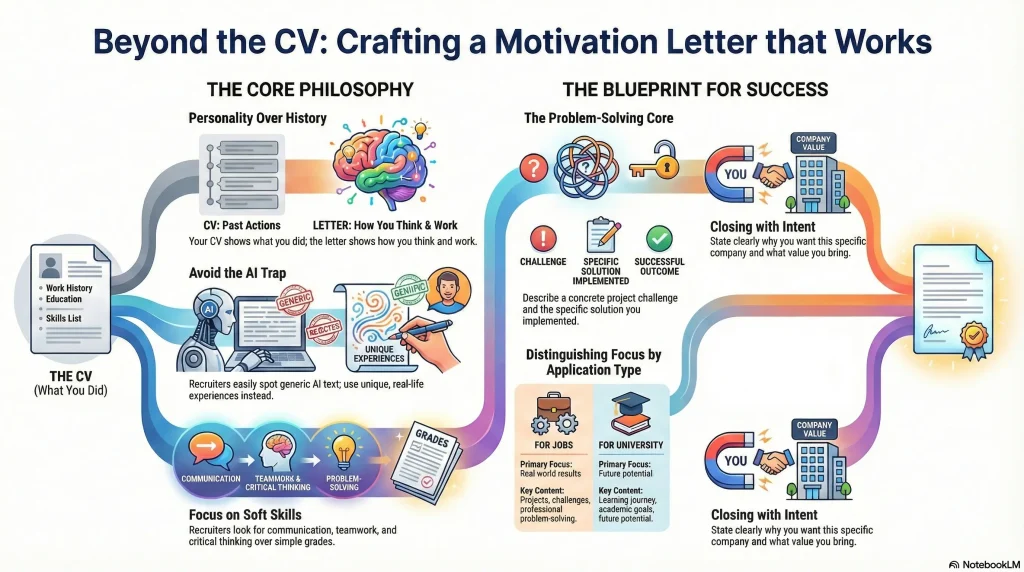
The cover letter is one of the most misunderstood and underrated documents when applying for a job or university. Many people see it as something optional or formal, but from my experience and from real cases I have seen, the cover letter often has more impact than the CV itself .

This article is not a theoretical guide or a generated text. It is based on real experience, concrete mistakes, and cases that show why and how to write a motivation letter that works.

What is a motivation letter really?

A cover letter is not a summary of your CV. It is not there to show off your grades, certificates or titles, but to explain how you think, how you see the world and what your role is in a team or community .

Although many employers don’t directly ask for it, a cover letter has become increasingly important in recent years. The reason is simple: CVs have become too similar, while the cover letter is the only place where a candidate can show their personality.

The biggest mistake made today

The most common mistake I see is using artificial intelligence to write the cover letter from start to finish. This is a serious mistake.

The cover letter should be unique to each person , built on real life experiences. We’re not just talking about work experience, but also about:

  • problems you encountered
  • things you learned on your own
  • situation where you took responsibility

Recruiters are very quick to spot generic, anonymous letters.

What are recruiters really looking for?

From what I’ve noticed, recruiters don’t want to know how many grades you got or how many certificates you have. They want to understand:

  • Are you a communicator?
  • Do you know how to work in a team?
  • Do you have a critical mind?
  • how do you deal with problems

Think of it like a football team: each player has a role. Your cover letter should explain what your role is .

The basic structure of a cover letter

There is no magic formula that works for everyone, but a basic structure is:

  • Personal data (name, surname, contact)
  • Introductory paragraph: who you are and where you are professionally
  • Main paragraph: experiences, projects, challenges and how you solved them
  • Closing paragraph: why you are applying and what value you bring

Unlike a CV, which describes what you have done so far, a cover letter shows who you are as a person and how you think. For this reason, the two should work together and not copy each other – if you don’t have your CV ready yet, check out our guide on how to write a CV for a job .

To make it clearer what a naturally written, rather than artificially written, cover letter looks like, below is a concrete example that can be used as guidance.

Example of a motivation letter (for work)

Name Surname
Tirana, Albania
Email: name@email.com
Phone: 06XXXXXXXX

Dear [Company Name / Recruiter],

My name is Name Surname and I am writing to express my interest in the position of [position name] at your company. I have currently completed [education/major experience] and am looking for an opportunity where I can make a real contribution and develop professionally.

During my journey, I have had the opportunity to face situations that have taught me more than theory itself. In [a concrete project, job, or experience] , I was faced with [a real-world problem] , which forced me to think differently and take responsibility. The solution I found was [how you solved it] , and from this experience I learned the importance of communication, collaboration, and perseverance.

I see myself as a communicative person, who works well in a team, but who also knows how to take initiatives when necessary. I don’t claim to know everything, but I am always willing to learn and improve, especially when faced with new challenges.

The reason I am applying to your company is because [specific reasons: values, field, projects, way of working] and I believe that my profile can bring value to your team. I would be very interested in discussing further in an interview how I can contribute.

Thank you for your time and attention.

With respect,
Name Surname

Real case study: why a cover letter changes everything

A friend of mine was constantly applying for jobs and getting no answers. His CV was correct, but something was missing. When a company asked him for a cover letter, he decided not to just write a formal text, but to tell his story: what problems he had gone through, how he had dealt with them, and what he had learned from failures.

The result was immediate. Employers began taking him more seriously and inviting him for interviews, not just for his technical skills, but to understand the way he thought and reacted to challenges.

Motivation letter for work vs. for university

A cover letter for a job focuses more on real-world experiences, projects, and problem-solving. While for a university or scholarship, the focus is on what you have learned, your potential, and future goals.

This becomes even more important today, where many applications are made online and competition is high, especially for work from home jobs , where the cover letter is often the first document read.

Don’t neglect how you submit your application.

Many people focus only on the content of the letter, but forget a very important detail: how they send it.

Cover letters are usually sent via email, and your presentation is just as important as the letter itself. A professional email can make a positive or negative first impression, no matter how good the letter is.

A tip against the current

Most people think that the CV is the most important document. In my experience, the opposite is often true. The cover letter is more important than the CV , because the CV shows what you have done, while the letter shows who you are.

A cover letter is not a formality. It is your opportunity to speak directly to the person reading your application. If you write it based on your real self and not on ready-made templates, it becomes one of the most powerful weapons you have in any application.

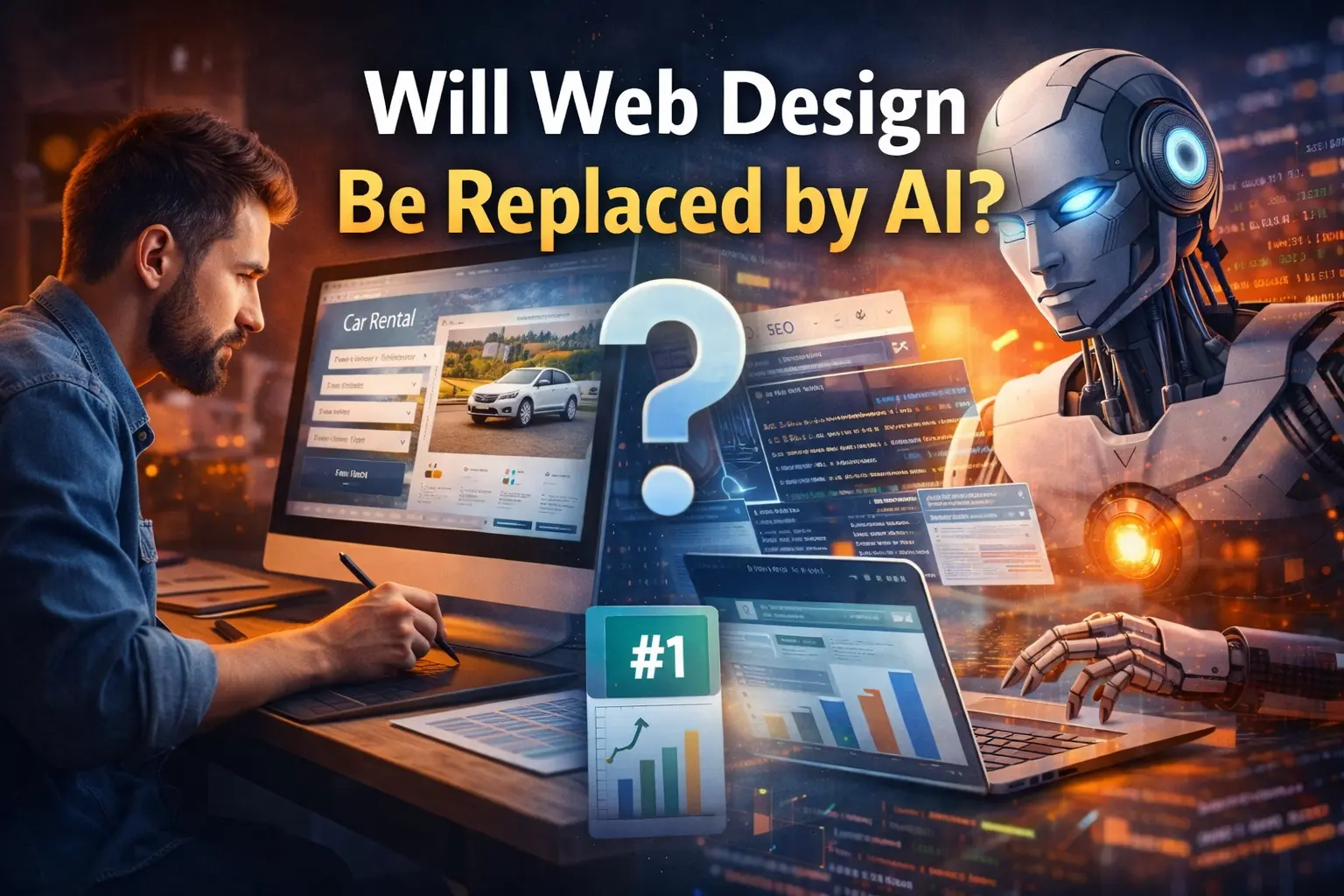
Will Web Design Be Replaced by AI?

will web design be replaces by ai

AI is changing everything. It writes content, generates images, and promises to build websites in minutes. Because of this, many business owners and designers are asking the same question.

Will web design be replaced by AI?

From working with real clients, especially local businesses in Albania such as car rentals, clinics, and pharmacies, and from personally testing many AI tools, one thing has become very clear: the conversation is much more nuanced than a simple yes or no.

My Experience Using AI in Web Design

I’ve tried many AI-powered web design tools. Some looked impressive at first, but once I used them in real projects, the limitations showed quickly. The designs were often generic, the structure weak, and the homepage rarely matched what I had in mind.

This is very different from how we approach projects in our professional web design services, where every layout is built around business goals, user intent, and long-term performance.

A few AI tools came close, but even then, they didn’t deliver the feeling or clarity a real business needs. In practice, AI helped me generate ideas or create a basic starting point, but never a complete, client-ready website.

What Happens When Clients Try AI Themselves

Most of my clients already know that AI isn’t ready to replace web designers. The interesting part is what happens when someone has doubts.

After trying AI website builders on their own, almost all of them change their perspective. They see that AI can produce a website, but not their website. The result often lacks trust, personality, and direction—especially for small and local businesses.

This is something we see often when working on web design for small businesses, where strategy matters more than templates.

Why Local Businesses Are Different

Local businesses don’t just need something that looks modern. They need a website that communicates trust, explains services clearly, and encourages real action.

Visibility on Google, especially for local searches, is critical. That’s why web design and local SEO strategy must work together.

AI doesn’t understand local competition, customer psychology, or how different industries should feel online. A clinic, a pharmacy, and a car rental business may all use websites, but they should never feel the same.

The Practical Role of AI in My Workflow

In real projects, I use AI mainly to explore ideas or get unstuck at the beginning. It can suggest layouts or basic structures that help speed up the process.

However, decisions about user experience, design flow, content hierarchy, and SEO are still made manually. This is especially important when working on SEO-focused websites, where structure and intent directly affect rankings.

AI supports the work, but it doesn’t define it.

User Experience Is Still Human

User experience goes beyond layout and colors. It’s about emotion, trust, and intuition.

AI doesn’t feel whether a design is calming or stressful. It doesn’t sense whether a page builds confidence or creates doubt. These are the same reasons why graphic design and branding still require human creativity.

SEO, UX, and the Importance of Human Control

SEO today is closely connected to user experience. Structure, clarity, speed, and intent matter more than ever.

AI can help accelerate parts of the process, but relying on it without critical thinking is risky. This is why many businesses still ask whether SEO services are worth it, even in the age of AI.

Using AI responsibly means keeping human decision-making at the center.

Where This Leaves Web Designers

AI is raising expectations. It’s making average work easier to produce, which also means average work stands out less.

The same shift is happening across digital marketing, including AI-powered agencies and tools that promise full automation.

Designers who understand strategy, users, and business goals, and who know how to use AI intelligently—are becoming more valuable, not less.

A Thought to Leave You With

AI is advancing fast, and tools like Google’s experimental systems show how powerful it can become. Some even ask whether we are approaching the end of coding.

But websites still exist to communicate with humans.

As long as trust, emotion, and real business goals matter, human thinking will remain part of web design. The real shift isn’t replacement, it’s evolution.

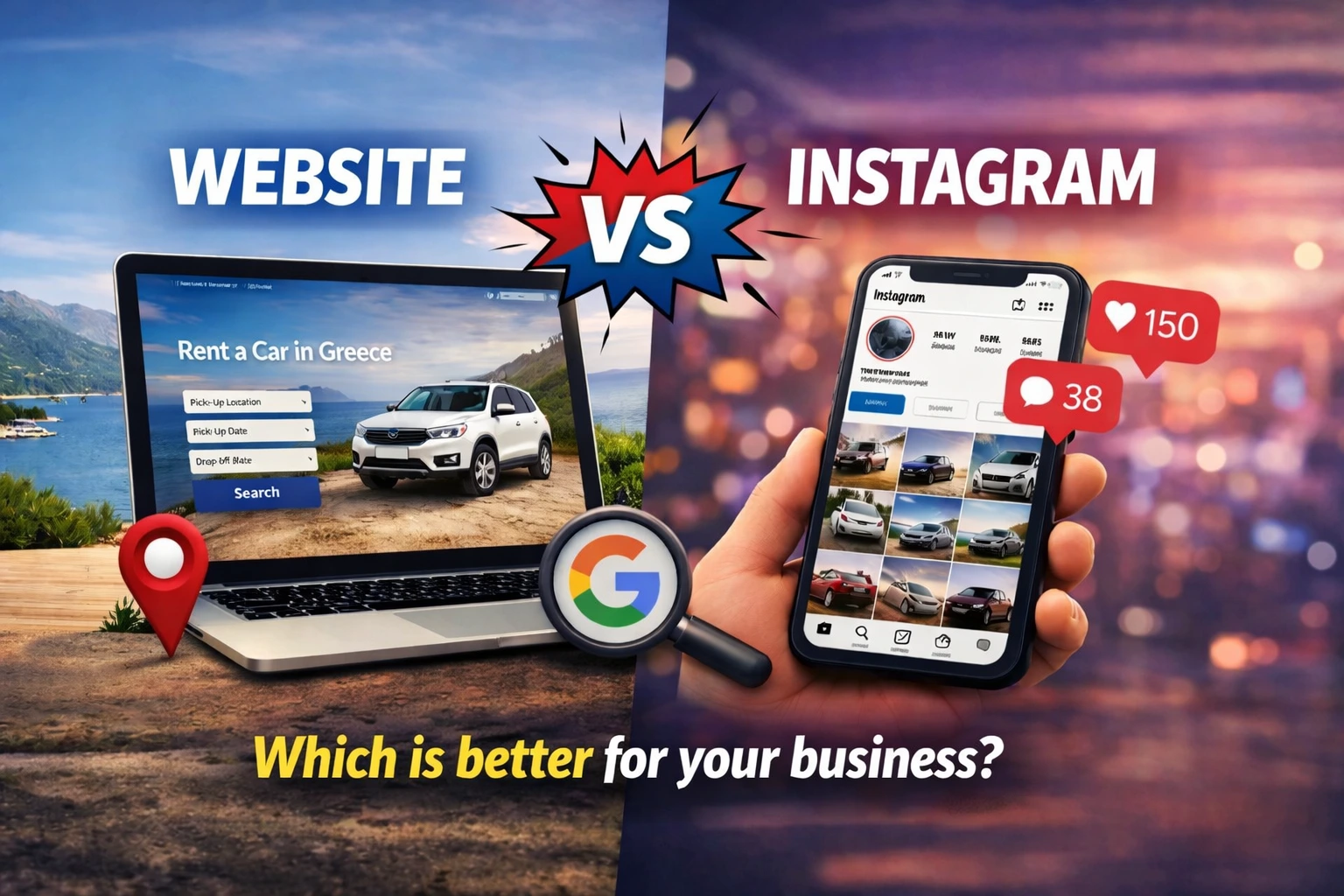
Website vs Instagram – Which is better for a business in Albania?

which is better for your business

This is one of the questions I get asked most often by local businesses in Albania , especially car rentals, tourist services, and seasonal businesses . The short answer?
It depends on your goal.
But the correct answer comes only when we see it from real experience , not from theory.

How do real customers search today?

Customer behavior in Albania is more structured than it seems at first glance. Instagram is used primarily for inspiration, ideas, and visual comparison, but the moment the real need arises to purchase a service , behavior changes.

When a person has a specific need — for example, a rental car , a hotel , a clinic , or a professional service — they usually turn to Google. They search there, open two or three different pages, read the information, and try to figure out which business seems the most serious and trustworthy.

This process is not impulsive. It is rational. The client seeks:

  • clear information
  • TRANSPARENCY
  • structure
  • and signs of faith

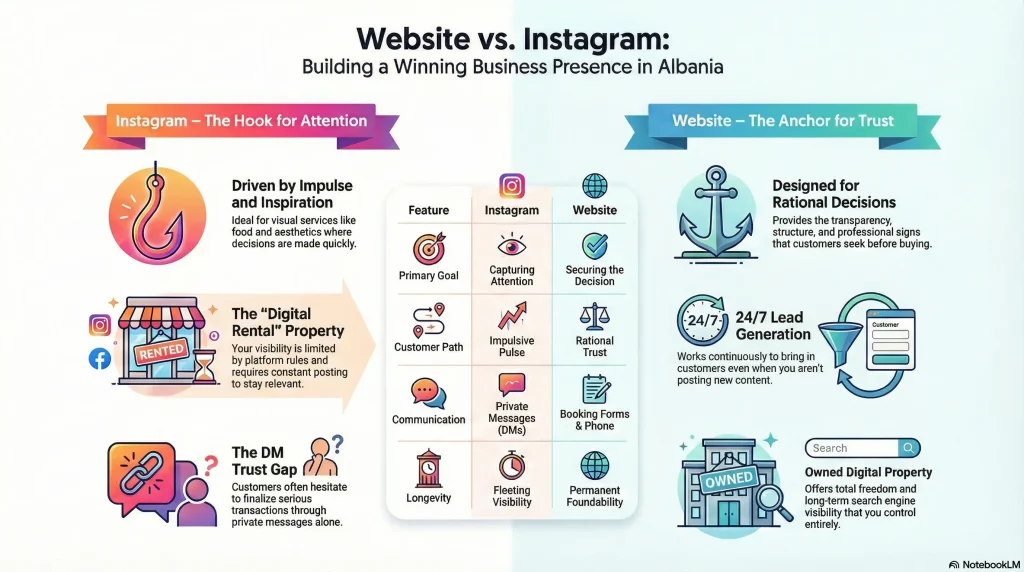
On Instagram, contact happens mostly in DMs, and that’s where the problem lies. Private messages don’t provide the same context, security, and trust that a structured website would. Many customers are hesitant to make decisions based solely on a DM conversation, because not everything is trusted in DMs .

Precisely for this reason, Instagram helps in the attention stage, while the website directly influences the customer’s final decision .

Instagram – strong for attention, weak for trust

Instagram is very effective for businesses that offer few services and where the order can be made quickly, usually with a single message. The customer’s decision in these cases is impulsive and emotional, as is often the case with food, aesthetics, or influencer-based services.

However, in my experience, Instagram has clear limitations when it comes to trust. Customers don’t feel completely safe just by looking at a profile, they don’t have a place to read detailed information, and there’s no structure to help them make a clear decision.

Instagram is a communication channel, not the basis of a business.

Do you want to know how to use your Instagram profile for more sales?

We have a guide on how to use your Instagram profile for more sales at BOS.

Website – the basis of trust and serious customers

A properly built website :

  • provides complete information
  • builds trust
  • works for you 24/7
  • brings in customers even when you don’t post anything

If you’re not convinced you don’t need a website, check out 10 reasons why your business needs a website .

Case Study: Car Rental in Albania

A car rental business I worked with initially only had an Instagram page. Customers came mainly during the tourist season and traffic was inconsistent, dependent on posts and ads.

After creating a properly structured and Google-optimized website, the situation changed significantly. The business began to receive direct requests from search engines and, most importantly, continues to provide customers even outside the tourist season.

This clearly shows the difference between:
“someone saw me” and “someone asked for me.”

The most common mistake I see in businesses

Many businesses:

  • they design without strategy
  • without SEO
  • without UX
  • without thinking about the customer’s path

A website is not just “I have it too”.
A website is a sales tool , if built as such.

“Instagram is free, the website is not”

This sentence is heard often.

But the reality is this:

  • Instagram requires time, posts, ads
  • Website requires smart construction once
  • then it works for you continuously

Instagram is a rental .
The website is the property of .

Real comparison

InstagramWebsite
Attentiontrust
pulseDECISION
Platform rulesTotal freedom
DMForm / phone / booking
You post today, you forget tomorrow.Found after months

My professional conclusion

Instagram is for attention, website is for customers.

If you have a local business in Albania and want to:

  • to look serious
  • to be found on Google
  • to get clients even in the off-season

A website is not a luxury. It is a necessity.

If you are convinced that you want to grow your business, see how to choose a marketing agency .

The Problems Digital Marketing Agencies Face

The Problems Digital Marketing Agencies Face

Running or working inside a digital marketing agency isn’t as glamorous as many businesses think. From the outside, it looks like we “post a few things,” “optimize some pages,” and suddenly traffic and sales should explode.

The reality is very different.

I work as an SEO specialist in a full-service marketing agency that offers social media management, website building, SEO, branding and identity, web design, and IT support. Most of our clients are either:

  • New businesses trying to grow from zero, or
  • Established small businesses with years in the market but little to no digital presence

We aim for long-term partnerships — not quick wins and disappearances. And that’s where many problems begin.

This post is about the real challenges digital marketing agencies face, based on my personal experience, mistakes, and real case studies.

1. The Expectation of Instant Results (Especially in SEO)

One of the biggest problems agencies face is unrealistic expectations.

Many businesses don’t fully understand how a marketing agency works. For example:

SEO is a long-term game. I say this clearly to every client. Yet many still expect:

  • First-page rankings in weeks
  • Immediate sales
  • “Quick fixes” to years of neglect

I’ve personally lost a client because of this.
Even after explaining that SEO takes time, the client wanted fast results. When those didn’t come quickly enough, they left.

If you’re wondering what actually moves rankings, check this guide on how do I rank higher on Google at Bos.

This isn’t just frustrating — it shows a lack of understanding of how marketing actually works. SEO is not paid ads. It’s not magic. It’s strategy, consistency, and patience.

2. Clients Often Don’t Fully Understand What a Marketing Agency Does

Many businesses think a marketing agency is a “results machine.”
They don’t see:

  • Research
  • Strategy
  • Technical work
  • Content planning
  • Testing and iteration

They see the output, not the process.

This creates tension when:

  • Results take time
  • We ask for collaboration
  • We request materials, approvals, or feedback

Marketing is not done to a business — it’s done with a business.

3. Rushing Work That Deserves More Time (My Own Mistake)

One of my personal challenges as an SEO specialist is that I sometimes work too fast.

Not because I don’t care — but because I want results.
However, SEO requires:

  • Deep keyword research
  • Understanding search intent
  • Careful on-page optimization

When I rush, I risk missing important signals — especially keyword intent, which is one of the hardest parts of SEO. Ranking for a keyword means nothing if it’s the wrong intent.

This is something I’ve learned the hard way.

4. Trusting AI Too Much (Instead of Expertise)

AI is an amazing tool — but it’s not an expert. One mistake I’ve personally made is leaning on it too much for things like content ideas, keyword suggestions, or quick answers, especially when I’m trying to move fast.

The problem is that AI can sound confident while missing context. It doesn’t truly understand your business, your market, or what your customers actually mean when they search. That’s where experience and industry understanding matter, because SEO decisions aren’t just “what keyword looks good,” but why someone is searching and what result will satisfy them.

AI can absolutely speed up parts of the workflow, but it can’t replace human judgment. When you use it without checking, editing, and validating with real data, the quality drops — and Google notices.

5. Delays Caused by Missing Client Materials

One of the most common operational problems agencies face is waiting on clients.

Websites, social media, branding, and SEO all depend on materials like:

  • Text
  • Images
  • Logos
  • Business details

When these are delayed, the entire process slows down.
Clients often expect results while key inputs are still missing.

Marketing is a partnership. Without collaboration, even the best agency will struggle.

6. A Real SEO Case Study (Including What Went Wrong)

A car rental business came to us because they were basically invisible on Google for their main keyword, stuck on the 3rd or 4th page where almost nobody clicks. They had a solid service, but no real chance of competing online with that visibility.

We started by fixing and optimizing the key pages that mattered most, cleaned up technical SEO issues, and then committed to weekly blog posts. Instead of chasing only one keyword, we targeted the main term plus supporting keywords to build topical authority and bring in relevant traffic consistently.

Over time, the results followed: they reached #1 for the main keyword and started ranking top 3–5 for several related searches. That’s the kind of growth clients want, but it also came from steady work, not a quick trick. For businesses like this, how to rank locally on Google is usually what moves the needle fastest.

Then we hit a real problem: the site got attacked and flooded with spammy backlinks from betting websites, causing an abnormal spike of around 2000 clicks in one day. We reacted fast—removed and disavowed toxic links, cleaned the website and server, secured everything, and changed all passwords. Within a week the traffic normalized, and within two months the site was fully clean again.

7. Time, Effort, and Reality

Clients often underestimate how much time things take.

For example:

  • A WordPress website can take 1 week to 1 month, depending on complexity
  • Some clients need things urgently
  • Others aren’t in a hurry — and that affects timelines

We prioritize based on urgency, scope, and quality — not shortcuts.

Final Thoughts: Hard Truths, Honest Work

Digital marketing agencies don’t fail because they don’t work hard.
They struggle because:

  • Expectations aren’t aligned
  • Marketing is misunderstood
  • Long-term strategies are treated like quick fixes

If you’re looking for instant results, we’re probably not the right fit.
If you want sustainable growth, transparency, and patience — that’s where real success happens.

SEO takes time.
Good marketing takes collaboration.
And the best results come from clients who understand that.

Will people buy online?

Will people buy online

Why the “Skeptics” are wrong and how smart Albanian businesses are gaining the trust of the market.

“Albanians don’t shop online.”

I hear this sentence all the time. As a digital marketing expert at bos.al , I meet new business owners and entrepreneurs every day, and I completely understand where this fear comes from. You look at the market, you see people who want to touch the material before they buy it, you see the dominance of physical money (cash) and ask yourself: Is the investment worth it?

The short answer is Yes. The long answer is: Yes, but not in the way you think.

After years of agency experience leading clients from zero to success, here’s the truth about the Albanian consumer and how you can convince them to press the “Order” button.

The problem isn’t the Internet. It’s the fear of fraud.

The biggest challenge we face in agencies isn’t about technology; it’s about trust .

In Albania, we have a specific “trauma”: we order a dress or garment that looks high fashion in the photo, but when it arrives it looks like cheap cloth. This gap between “expectations and reality” has made the Albanian buyer skeptical.

My experience: I’ve seen that consumers aren’t afraid of the internet; they’re afraid of being lied to.

  • Solution: If you sell clothing (which is the most popular online business in Albania), stock photos (taken from the internet) are your enemy. The strategy we apply is Social Commerce —Real videos on TikTok, unedited photos on Instagram, and real customer reviews.
  • Lesson: When people see reality , they open their wallets.

Albanian Model: Instagram is the New “Shop”

If you’re expecting everyone to use credit cards on a complex website (.com), you’re waiting for a future that’s not quite here. But if you look at Instagram and TikTok, the market is exploding.

Case Study: I ​​remember a client who came to us with only one physical store. They were convinced that customers should walk in the door to make a purchase. We didn’t force them to build a giant system right away. Instead, we focused on where the attention was.

  • Change: We moved the sales strategy to Instagram.
  • The result: Within 6 months , the majority of their shoppers were coming from Instagram, not the sidewalk. They not only survived the transition, but outgrew their brick-and-mortar store.

For boutique stores in Albania, your Inbox (DM) is your checkout.

Do you need a guide on how to open an online store?

We have a guide on how to open an online store in Albania at Bos.

Cash on Delivery is still King

Many “gurus” will tell you that you need fully automated card payments. But my experience in the local market tells a different story. The “Cash on Delivery” system is not a barrier; it is the bridge that allows skeptical Albanians to buy with confidence.

By accepting cash, you remove the risk for the buyer. Once you deliver a quality product and they pay you cash, you earn their trust. Next time, they may pay by card. But first, you have to earn the right one.

Expertise wins over “Cheap” pricing every time

There is a myth that online shoppers in Albania only want the cheapest item. Our data proves otherwise.

The Home Products Surprise: We managed a company that sold home products in a highly saturated market with competitors selling cheaply. Logic dictates that the cheapest seller wins, right? Error.

This company positioned itself as an expert . We didn’t just post the product; we posted how to use it, why it was better, and the science behind it.

  • Bottom line: This became an unexpected “best-seller.” People chose the expert over the cheap alternative because, in a world of online fraud, Authority = Safety.

The Future: AI and the Expectation of Speed

The market is changing faster than ever. In recent years, I have noticed a shift where consumers are using AI models and advanced research to make decisions, before they even talk to you.

My prediction: An online presence is no longer a “nice to have.” It’s key to business survival. In the near future, if a customer can’t find you, verify you, and judge your expertise online, you simply won’t exist to them.

cONcluSiON

So, “Will people buy online ?”

They’re already buying. But they’re not buying from anonymous websites with fake photos. They’re buying from brands that show real content , engage on social media , and demonstrate expertise .

If you’re a business owner who still has doubts, let the portfolio of our agency, bos.al , be your proof: The question is not whether they will buy, but who they will buy from. Will it be you, or your competitor who started posting on TikTok today?