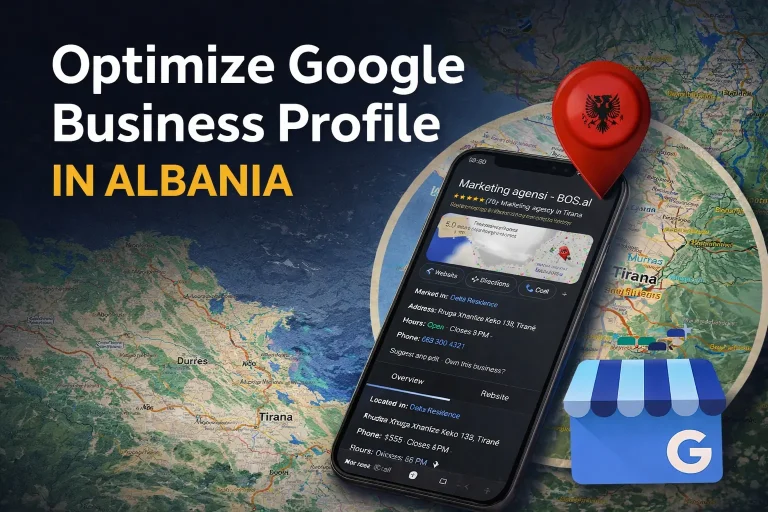
BOS.al

Will Web Design Be Replaced by AI?

will web design be replaces by ai

AI is changing everything. It writes content, generates images, and promises to build websites in minutes. Because of this, many business owners and designers are asking the same question:
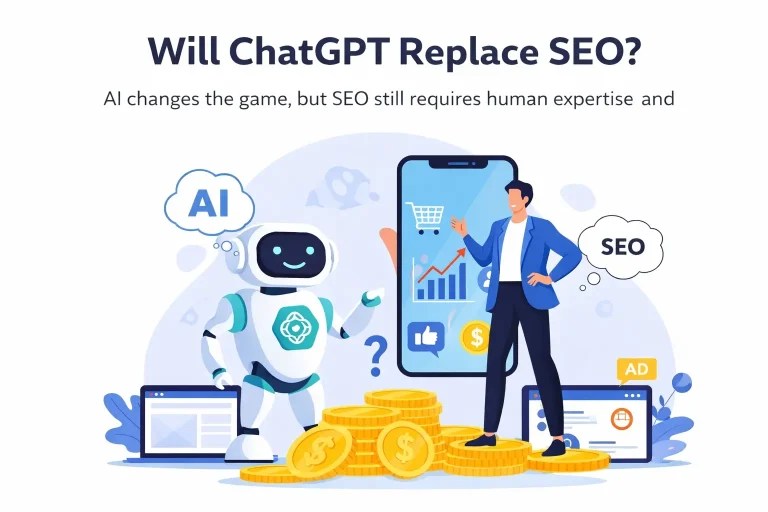
Will web design be replaced by AI?

From working with real clients—especially local businesses in Albania such as car rentals, clinics, and pharmacies—and from personally testing many AI tools, one thing has become very clear: the conversation is much more nuanced than a simple yes or no.

My Experience Using AI in Web Design

I’ve tried many AI-powered web design tools. Some looked impressive at first, but once I used them in real projects, the limitations showed quickly. The designs were often generic, the structure weak, and the homepage rarely matched what I had in mind.

This is very different from how we approach projects in our professional web design services, where every layout is built around business goals, user intent, and long-term performance:

A few AI tools came close, but even then, they didn’t deliver the feeling or clarity a real business needs. In practice, AI helped me generate ideas or create a basic starting point—but never a complete, client-ready website.

What Happens When Clients Try AI Themselves

Most of my clients already know that AI isn’t ready to replace web designers. The interesting part is what happens when someone has doubts.

After trying AI website builders on their own, almost all of them change their perspective. They see that AI can produce a website, but not their website. The result often lacks trust, personality, and direction—especially for small and local businesses.

This is something we see often when working on web design for small businesses, where strategy matters more than templates:

Why Local Businesses Are Different

Local businesses don’t just need something that looks modern. They need a website that communicates trust, explains services clearly, and encourages real action.

Visibility on Google, especially for local searches, is critical. That’s why web design and local SEO strategy must work together:

AI doesn’t understand local competition, customer psychology, or how different industries should feel online. A clinic, a pharmacy, and a car rental business may all use websites—but they should never feel the same.

The Practical Role of AI in My Workflow

In real projects, I use AI mainly to explore ideas or get unstuck at the beginning. It can suggest layouts or basic structures that help speed up the process.

However, decisions about user experience, design flow, content hierarchy, and SEO are still made manually. This is especially important when working on SEO-focused websites, where structure and intent directly affect rankings:

AI supports the work, but it doesn’t define it.

User Experience Is Still Human

User experience goes beyond layout and colors. It’s about emotion, trust, and intuition.

AI doesn’t feel whether a design is calming or stressful. It doesn’t sense whether a page builds confidence or creates doubt. These are the same reasons why graphic design and branding still require human creativity:

SEO, UX, and the Importance of Human Control

SEO today is closely connected to user experience. Structure, clarity, speed, and intent matter more than ever.

AI can help accelerate parts of the process, but relying on it without critical thinking is risky. This is why many businesses still ask whether SEO services are worth it, even in the age of AI:

Using AI responsibly means keeping human decision-making at the center.

Where This Leaves Web Designers

AI is raising expectations. It’s making average work easier to produce, which also means average work stands out less.

The same shift is happening across digital marketing, including AI-powered agencies and tools that promise full automation.

Designers who understand strategy, users, and business goals—and who know how to use AI intelligently—are becoming more valuable, not less.

A Thought to Leave You With

AI is advancing fast, and tools like Google’s experimental systems show how powerful it can become. Some even ask whether we are approaching the end of coding.

But websites still exist to communicate with humans.

As long as trust, emotion, and real business goals matter, human thinking will remain part of web design. The real shift isn’t replacement—it’s evolution.

The Problems Digital Marketing Agencies Face

The Problems Digital Marketing Agencies Face

Running or working inside a digital marketing agency isn’t as glamorous as many businesses think. From the outside, it looks like we “post a few things,” “optimize some pages,” and suddenly traffic and sales should explode.
The reality is very different.

I work as an SEO specialist in a full-service marketing agency that offers social media management, website building, SEO, branding and identity, web design, and IT support. Most of our clients are either:

  • New businesses trying to grow from zero, or
  • Established small businesses with years in the market but little to no digital presence

We aim for long-term partnerships — not quick wins and disappearances. And that’s where many problems begin.

This post is about the real challenges digital marketing agencies face, based on my personal experience, mistakes, and real case studies.

1. The Expectation of Instant Results (Especially in SEO)

One of the biggest problems agencies face is unrealistic expectations.

Many businesses don’t fully understand how a marketing agency works. For example:

SEO is a long-term game. I say this clearly to every client. Yet many still expect:

  • First-page rankings in weeks
  • Immediate sales
  • “Quick fixes” to years of neglect

I’ve personally lost a client because of this.
Even after explaining that SEO takes time, the client wanted fast results. When those didn’t come quickly enough, they left.

If you’re wondering what actually moves rankings, check this guide on how do I rank higher on Google at Bos.

This isn’t just frustrating — it shows a lack of understanding of how marketing actually works. SEO is not paid ads. It’s not magic. It’s strategy, consistency, and patience.

2. Clients Often Don’t Fully Understand What a Marketing Agency Does

Many businesses think a marketing agency is a “results machine.”
They don’t see:

  • Research
  • Strategy
  • Technical work
  • Content planning
  • Testing and iteration

They see the output, not the process.

This creates tension when:

  • Results take time
  • We ask for collaboration
  • We request materials, approvals, or feedback

Marketing is not done to a business — it’s done with a business.

3. Rushing Work That Deserves More Time (My Own Mistake)

One of my personal challenges as an SEO specialist is that I sometimes work too fast.

Not because I don’t care — but because I want results.
However, SEO requires:

  • Deep keyword research
  • Understanding search intent
  • Careful on-page optimization

When I rush, I risk missing important signals — especially keyword intent, which is one of the hardest parts of SEO. Ranking for a keyword means nothing if it’s the wrong intent.

This is something I’ve learned the hard way.

4. Trusting AI Too Much (Instead of Expertise)

AI is an amazing tool — but it’s not an expert. One mistake I’ve personally made is leaning on it too much for things like content ideas, keyword suggestions, or quick answers, especially when I’m trying to move fast.

The problem is that AI can sound confident while missing context. It doesn’t truly understand your business, your market, or what your customers actually mean when they search. That’s where experience and industry understanding matter, because SEO decisions aren’t just “what keyword looks good,” but why someone is searching and what result will satisfy them.

AI can absolutely speed up parts of the workflow, but it can’t replace human judgment. When you use it without checking, editing, and validating with real data, the quality drops — and Google notices.

5. Delays Caused by Missing Client Materials

One of the most common operational problems agencies face is waiting on clients.

Websites, social media, branding, and SEO all depend on materials like:

  • Text
  • Images
  • Logos
  • Business details

When these are delayed, the entire process slows down.
Clients often expect results while key inputs are still missing.

Marketing is a partnership. Without collaboration, even the best agency will struggle.

6. A Real SEO Case Study (Including What Went Wrong)

A car rental business came to us because they were basically invisible on Google for their main keyword, stuck on the 3rd or 4th page where almost nobody clicks. They had a solid service, but no real chance of competing online with that visibility.

We started by fixing and optimizing the key pages that mattered most, cleaned up technical SEO issues, and then committed to weekly blog posts. Instead of chasing only one keyword, we targeted the main term plus supporting keywords to build topical authority and bring in relevant traffic consistently.

Over time, the results followed: they reached #1 for the main keyword and started ranking top 3–5 for several related searches. That’s the kind of growth clients want, but it also came from steady work, not a quick trick. For businesses like this, how to rank locally on Google is usually what moves the needle fastest.

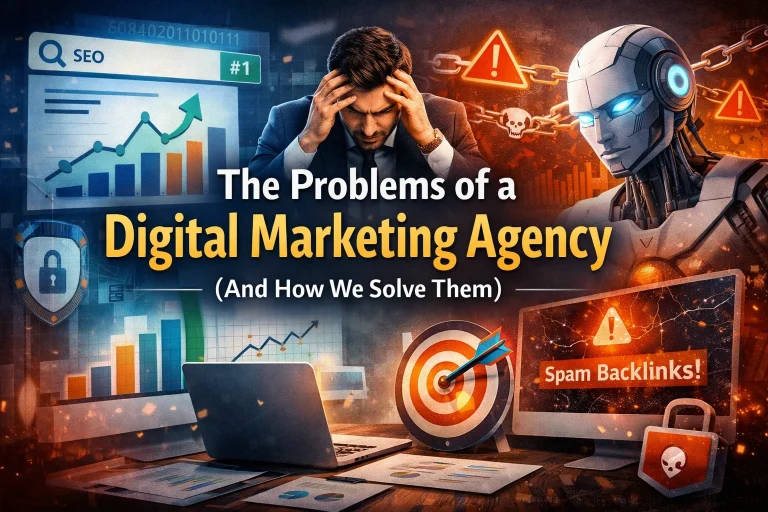
Then we hit a real problem: the site got attacked and flooded with spammy backlinks from betting websites, causing an abnormal spike of around 2000 clicks in one day. We reacted fast—removed and disavowed toxic links, cleaned the website and server, secured everything, and changed all passwords. Within a week the traffic normalized, and within two months the site was fully clean again.

7. Time, Effort, and Reality

Clients often underestimate how much time things take.

For example:

  • A WordPress website can take 1 week to 1 month, depending on complexity
  • Some clients need things urgently
  • Others aren’t in a hurry — and that affects timelines

We prioritize based on urgency, scope, and quality — not shortcuts.

Final Thoughts: Hard Truths, Honest Work

Digital marketing agencies don’t fail because they don’t work hard.
They struggle because:

  • Expectations aren’t aligned
  • Marketing is misunderstood
  • Long-term strategies are treated like quick fixes

If you’re looking for instant results, we’re probably not the right fit.
If you want sustainable growth, transparency, and patience — that’s where real success happens.

SEO takes time.
Good marketing takes collaboration.
And the best results come from clients who understand that.

How to Improve Your Marketing Strategy: A 10-Step Guide

marketing strategy

Is your marketing on autopilot? If you’re running the same campaigns, targeting the same people, and getting the same (or dwindling) results, you’re not alone. The marketing landscape changes at lightning speed, and a strategy that worked last year might be a liability today.
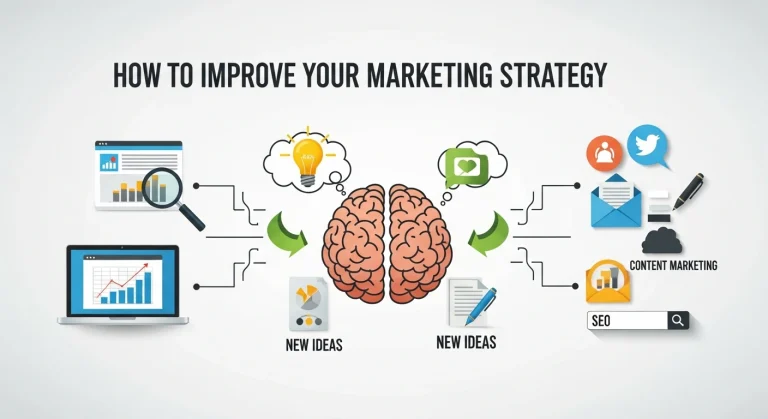
Feeling “stuck” is a clear sign that it’s time to go back to the drawing board. But improving your marketing strategy isn’t about scrapping everything and starting over. It’s about auditing, refining, and optimizing—transforming your marketing from a set of “random acts” into a cohesive, data-driven engine for growth.

This comprehensive guide will walk you through a 10-step framework to analyze what’s broken, identify new opportunities, and build a strategy that delivers real, measurable results.

Our Philosophy: The “Why” vs. The “What”

Before we dive in, let’s clear up the single biggest mistake we see: confusing strategy with tactics.

  • Tactics are the things you do: “run a Facebook ad,” “post on LinkedIn,” “write a blog post.”
  • Strategy is the reason you do them: “We will become the go-to authority for X audience (strategy) by creating the most in-depth content on Y topic (tactic).”

You can’t “improve” your marketing by just doing more tactics. You improve it by strengthening the “why” that guides every action. This 10-step guide is designed to help you build that strategic foundation.

Why Your Current Strategy Isn’t Working (And Why It Matters)

Often, marketing strategies fail for one of two reasons:

  1. Stagnation: The strategy is “set it and forget it.” You haven’t updated your audience personas, you’re still using channels that have peaked, and your messaging is tired.
  2. Vagueness: Your strategy isn’t a strategy at all. It’s a collection of tactics (like “post on social media” or “run ads”) with no clear, overarching goals, KPIs, or connection to your core business objectives.

A weak strategy doesn’t just waste your marketing budget. It wastes time, burns out your team, and, worst of all, gives your competitors a wide-open lane to capture market share.

How to Improve Your Marketing Strategy: The 10-Step Framework

Ready to rebuild? Follow these 10 actionable steps to create a smarter, more powerful marketing strategy.

1. Re-Audit Your Target Audience & Buyer Personas

You can’t have a good marketing strategy without knowing exactly who you’re marketing to. The problem? Your audience from two years ago is probably not your audience today.

  • Go Beyond Demographics: Ditch the vague “Millennial Marketers” persona. Get specific.
  • Identify Pain Points: What specific problems do they face? What are their “Jobs to Be Done”?
  • Find Their Watering Holes: Where do they actually spend their time online? Is it LinkedIn, a specific Subreddit, or listening to niche podcasts?
  • Use Real Data: Don’t guess. Talk to your sales team, conduct customer surveys, and read support tickets. Your best data comes from your actual customers.

2. Conduct a Deep Competitor Analysis

Your marketing doesn’t exist in a vacuum. A deep dive into your competitors’ strategies can reveal gaps in the market you can exploit.

  • Identify 3-5 Top Competitors: Include both direct (offer the same product) and indirect (solve the same problem) competitors.
  • Analyze Their Channels: Where are they getting traffic? (Use tools like Semrush or Ahrefs for this). Are they dominant in SEO? Are they running a ton of paid ads?
  • Study Their Messaging: What is their Unique Value Proposition (UVP)? How are they positioning themselves against you?
  • Look for the “Gap”: What are they not doing? Are they ignoring a specific customer segment? Is their content low-quality? This is your opening.

3. Perform a Comprehensive SWOT Analysis

It’s a classic for a reason. A SWOT (Strengths, Weaknesses, Opportunities, Threats) analysis is the bridge between your internal reality and the external market.

  • Strengths (Internal): What do you do better than anyone? (e.g., “Deep technical expertise,” “Amazing customer service”).
  • Weaknesses (Internal): Where do you fall short? (e.g., “Small budget,” “Low brand awareness,” “No SEO presence”).
  • Opportunities (External): What market trends can you capitalize on? (e.g., “New ‘remote work’ customer segment,” “A competitor just went out of business”).
  • Threats (External): What’s on the horizon? (e.g., “New technology making our product obsolete,” “Changing data privacy laws”).

4. Review and Refine Your Unique Value Proposition (UVP)

Your UVP is your “why.” It’s the clear, simple answer to the question: “Why should I buy from you and not your competitor?” If you can’t articulate this in one sentence, your marketing will be muddled.

A strong UVP is:

  • Specific: “We help B2B SaaS companies cut their churn rate.”
  • Problem-Focused: “The only project management tool that’s actually easy to use.”
  • Unique: “The world’s first carbon-negative running shoe.”

5. Analyze Your Current Marketing Channels

Stop spending money on channels just “because.” It’s time for a data-driven audit. Pull your analytics for the last 6-12 months and find the hard-number answers to these questions:

  • Which channel drives the most traffic? (e.g., Organic Search, Social, Paid).
  • Which channel drives the most leads or sales? (This is often different from traffic!)
  • What is the Customer Acquisition Cost (CAC) for each channel?
  • Which channels are underperforming or draining the budget?

Be ruthless. If your Facebook ads are breaking the bank with zero conversions, it’s time to pause and re-evaluate, or cut that channel entirely.

A Real-World Example: The 80/20 Channel Audit

We recently audited a B2B SaaS client who was spending 80% of their marketing budget on LinkedIn Ads, but their analytics told a different story.

  • The “Vanity” Metric: LinkedIn drove 50% of their traffic.
  • The “Money” Metric: We discovered that “Organic Search,” while only 20% of their traffic, was responsible for 75% of their demo-qualified leads.

The Fix: We didn’t kill the LinkedIn budget. We re-allocated 40% of it away from “brand awareness” ads and into a new “Content & SEO” program.

The Result: In 6 months, their organic leads doubled, and their overall Customer Acquisition Cost (CAC) dropped by 35%. That’s strategic optimization.

6. Set Clear, Measurable KPIs and Goals

“Increase brand awareness” is not a goal. It’s a wish. An improved marketing strategy is built on SMART goals (Specific, Measurable, Achievable, Relevant, Time-bound).

  • Bad Goal: “We want more leads.”
  • Good Goal: “We will increase our Marketing Qualified Leads (MQLs) from organic search by 25% by the end of Q4 by publishing four new, optimized blog posts per month.”

7. Double Down on Content & SEO

In 2024 and beyond, content and SEO are not optional. They are the foundation of a sustainable, long-term marketing strategy. While paid ads get you traffic today, great content gets you traffic forever.

This is how you build E-E-A-T (Experience, Expertise, Authoritativeness, and Trust).

  • Pillar Pages: Create long-form, comprehensive guides on your core topics (like this one!).
  • Topic Clusters: Support your pillars with “spoke” articles that target long-tail keywords.
  • Helpful Content: Write for your user first, not the algorithm. Answer their questions in detail.

8. Explore and Test One New Channel

Once you’ve optimized your core channels, it’s time to experiment. The key is to do this in a controlled, scientific way.

  • Form a Hypothesis: “I believe our target audience is on TikTok, and we can reach them with short-form educational videos.”
  • Set a Budget: “We will dedicate $1,000 and 20 team hours to this test in one month.”
  • Define Success: “Success means 10,000 views and 50 new trial sign-ups from our bio link.”

Test one new channel at a time. It could be LinkedIn (for B2B), TikTok, a new-in-person event, or even direct mail.

9. Align Your Sales and Marketing Teams

This is the secret weapon for B2B companies. Misalignment between sales and marketing (Smarketing) is the #1 killer of good leads.

  • Create a Shared Definition: What is a “lead”? What is an “MQL” (Marketing Qualified Lead) vs. an “SQL” (Sales Qualified Lead)?
  • Establish a Handoff: What is the exact process for a lead to be passed from marketing to sales?
  • Share Feedback: Sales must report back to marketing on lead quality. This is the only way marketing can learn what’s working.

10. Create a System for Testing, Measuring, and Iterating

Your new strategy is not a final document. It’s a living, breathing machine that needs constant tuning. Your most important “step” is to build a “loop.”

  • The Loop: Build -> Measure -> Learn -> Iterate.
  • Build: Launch the new campaign or blog post.
  • Measure: Track its performance against your KPIs (see Step 6).
  • Learn: Analyze the data. Why did it work? Why did it fail?
  • Iterate: Make one small, controlled change (an A/B test) and run the loop again.

Tools to Help You Improve Your Marketing Strategy

Frequently Asked Questions (FAQs)

Q: How often should I review my marketing strategy?

A: You should conduct a deep, comprehensive review (like this 10-step process) annually. However, you should be reviewing your KPIs and channel performance on a monthly and quarterly basis to make real-time adjustments.

Q: What is the difference between a marketing strategy and a marketing plan?

A: A strategy is your “why” and “what.” It’s your long-term vision, your target audience, and your core business goals. The plan (or tactics) is your “how” and “when.” It’s the specific actions you’ll take, like “run a 3-month Google Ads campaign” or “post 3x a week on LinkedIn.”

Q: What’s the most important part of improving a marketing strategy?

A: Moving from assumptions to data. The single biggest improvement you can make is to base your decisions on real-world data (from your analytics, sales team, and customers) instead of “what you think” will work.

Your Next Steps to a Smarter Strategy

Improving your marketing strategy is an ongoing process, not a one-time project. It’s about staying curious, being willing to challenge your own assumptions, and letting data (not ego) lead the way.

Start by picking one step from this guide. You don’t have to do it all at once. The journey to a high-performing marketing engine begins with a single, intentional, data-driven step.

Can Digital Marketing Make You Rich? Unveiling Strategies for Financial Success!

can digital marketing make you rich

In a world where the internet reigns supreme, the question arises: Can digital marketing truly make you rich? As businesses shift to online platforms, the financial landscape is transforming, presenting unprecedented opportunities for those willing to learn and adapt. This article dives deep into the world of digital marketing, unveiling strategies that can catapult your financial success. From mastering social media advertising to leveraging the power of SEO, the paths to wealth in the digital realm are diverse and exciting. Join us as we explore how savvy marketing techniques can not only boost your income but also create sustainable financial growth. Step into the world of digital marketing and unlock the secrets to turning your passion into profit!

Understanding Digital Marketing and Its Potential

Digital marketing encompasses all marketing efforts that use an electronic device or the internet. Businesses leverage digital channels such as search engines, social media, email, and websites to connect with current and prospective customers. This form of marketing is not just a trend; it represents a fundamental shift in the way businesses reach and engage with their audience. It’s about meeting your audience where they are: online. The potential of digital marketing lies in its ability to reach a global audience, target specific demographics, and measure results in real-time.

One of the primary advantages of digital marketing is its scalability. Unlike traditional marketing methods, which can be cost-prohibitive for small businesses, digital marketing campaigns can be adjusted to fit almost any budget. Whether you’re a small business owner or a large corporation, digital marketing allows you to scale your efforts and reach a broader audience without a proportional increase in costs. This scalability is crucial for businesses looking to grow and expand their market reach.

Moreover, digital marketing offers unprecedented levels of engagement and interaction. Through social media, email marketing, and other online tools, businesses can communicate directly with their customers in real-time. This direct interaction builds trust and loyalty, as customers feel more connected to the brands they support. Additionally, digital marketing provides valuable data and insights that can be used to refine and improve marketing strategies, ensuring that businesses are always one step ahead of their competition.

The Financial Landscape of Digital Marketing

The financial landscape of digital marketing is vast and varied, offering numerous avenues for generating revenue. At the heart of this landscape is the ability to reach a targeted audience with precision. Traditional marketing methods often involve a lot of guesswork and a shotgun approach, hoping to hit some potential customers. Digital marketing, on the other hand, allows for pinpoint targeting, ensuring that your message reaches the people most likely to be interested in your product or service.

Another critical aspect of the financial landscape of digital marketing is return on investment (ROI). Digital marketing campaigns are often more cost-effective than traditional marketing methods, offering a higher ROI. This is due to the ability to track and measure the effectiveness of campaigns in real-time, allowing for adjustments and optimizations that can improve performance and reduce costs. Additionally, the ability to target specific demographics and interests means that businesses are not wasting resources on reaching people who are unlikely to convert.

The revenue potential in digital marketing is also significant. From selling products and services online to earning through affiliate marketing and advertising, the opportunities are endless. Businesses can create multiple streams of income by leveraging different digital marketing strategies. For example, a company might generate revenue through e-commerce sales, sponsored content, affiliate commissions, and pay-per-click advertising, all while building a loyal customer base that continues to provide value over time.

Key Strategies for Earning Through Digital Marketing

One of the key strategies for earning through digital marketing is content marketing. By creating valuable, relevant, and consistent content, businesses can attract and retain a clearly defined audience. Content marketing not only helps in building brand awareness but also in establishing authority and trust. When people see that you are knowledgeable in your field, they are more likely to purchase from you. Blogs, videos, podcasts, and social media posts are all effective forms of content marketing that can drive traffic and generate leads.

Another essential strategy is email marketing, which remains one of the most effective digital marketing channels. By building an email list and sending targeted messages to subscribers, businesses can nurture leads and convert them into customers. Email marketing allows for personalized communication, which can significantly increase engagement and conversion rates. Additionally, automated email campaigns can save time and ensure that leads are consistently nurtured through the sales funnel, leading to higher revenue.

Pay-per-click (PPC) advertising is also a powerful strategy for earning through digital marketing. With PPC, businesses can bid on keywords and pay a fee each time their ad is clicked. This method allows for immediate visibility on search engines and other platforms, driving targeted traffic to your website. PPC campaigns can be highly effective when optimized correctly, ensuring that the right people see your ads at the right time. By continually testing and refining your campaigns, you can maximize your ROI and drive significant revenue through PPC advertising.

Building a Profitable Online Business Model

Building a profitable online business model begins with identifying a niche market and understanding your target audience. The internet is a vast space, and trying to appeal to everyone is a recipe for disaster. Instead, businesses should focus on a specific niche where they can provide unique value. Conduct market research to understand the needs, preferences, and pain points of your target audience. This information will guide your product development and marketing strategies, ensuring that you are meeting the demands of your market.

Once you have identified your niche, the next step is to develop a strong value proposition. Your value proposition is what sets you apart from your competitors and convinces customers to choose your product or service. It should clearly communicate the benefits that customers will receive and why your offer is the best solution to their problem. A compelling value proposition is crucial for attracting and retaining customers in a competitive online market.

Another critical component of a profitable online business model is a robust sales funnel. A sales funnel is the process that guides potential customers through the journey from awareness to purchase. It typically consists of several stages, including awareness, interest, decision, and action. By creating a well-designed sales funnel, businesses can nurture leads and convert them into paying customers. This involves using various marketing tactics, such as content marketing, email marketing, and retargeting ads, to move leads through each stage of the funnel.

Leveraging Social Media for Financial Gain

Social media platforms have become essential tools for businesses looking to achieve financial success. With billions of users worldwide, platforms like Facebook, Instagram, Twitter, and LinkedIn offer unparalleled opportunities for reaching and engaging with potential customers. By leveraging social media, businesses can increase brand awareness, drive traffic to their website, and generate leads and sales. The key to success on social media is creating engaging content that resonates with your audience and encourages interaction.

One effective way to leverage social media for financial gain is through influencer marketing. Influencers have large followings on social media and can sway the opinions and purchasing decisions of their audience. By partnering with influencers who align with your brand, you can reach a broader audience and build trust with potential customers. Influencer marketing can take various forms, including sponsored posts, product reviews, and giveaways. The authenticity and credibility of influencers can significantly impact your brand’s reputation and drive sales.

Another powerful social media strategy is running paid advertising campaigns. Social media platforms offer advanced targeting options that allow businesses to reach specific demographics, interests, and behaviors. By creating compelling ads and targeting them to the right audience, businesses can drive traffic and conversions. Social media advertising is highly measurable, allowing for real-time adjustments and optimizations to maximize ROI. Additionally, retargeting ads can be used to re-engage users who have previously interacted with your brand, increasing the likelihood of conversion.

SEO: The Cornerstone of Digital Wealth

Search engine optimization (SEO) is the process of optimizing your website and content to rank higher in search engine results pages (SERPs). It is a fundamental aspect of digital marketing and a cornerstone of online financial success. Higher rankings in search results lead to increased visibility, traffic, and ultimately, revenue. SEO involves various techniques, including keyword research, on-page optimization, link building, and content creation, all aimed at improving your site’s authority and relevance in the eyes of search engines.

Keyword research is the foundation of SEO. By identifying the keywords and phrases that your target audience is searching for, you can create content that addresses their needs and queries. Tools like Google Keyword Planner and Ahrefs can help you find relevant keywords with high search volumes and low competition. Once you have identified your target keywords, incorporate them naturally into your content, titles, meta descriptions, and headers to improve your chances of ranking higher in search results.

On-page optimization involves optimizing individual pages on your website to improve their search engine rankings. This includes optimizing your title tags, meta descriptions, headers, and content for your target keywords. Additionally, ensuring that your website is mobile-friendly, has fast loading times, and provides a good user experience are critical factors for on-page SEO. Search engines prioritize websites that offer a seamless and valuable experience to users, so it’s essential to focus on these aspects.

Link building is another crucial component of SEO. It involves acquiring high-quality backlinks from other reputable websites in your industry. Backlinks act as votes of confidence, signaling to search engines that your content is valuable and trustworthy. Strategies for building backlinks include guest blogging, creating shareable content, and reaching out to industry influencers and websites for collaborations. By building a robust backlink profile, you can improve your site’s authority and increase its chances of ranking higher in search results.

Affiliate Marketing: A Pathway to Passive Income

Affiliate marketing is a performance-based marketing strategy where businesses reward affiliates for driving traffic or sales through their referral links. It is a popular method for generating passive income, as affiliates can earn commissions by promoting products or services without having to create or manage them. This model benefits both businesses and affiliates, as businesses gain exposure and sales, while affiliates earn a passive income by leveraging their audience and marketing skills.

To succeed in affiliate marketing, it’s essential to choose the right affiliate programs and products to promote. Look for programs that offer competitive commissions, high-quality products, and a good reputation. Additionally, choose products that align with your niche and audience’s interests. Promoting products that you genuinely believe in and that provide value to your audience will increase your credibility and trust, leading to higher conversions and commissions.

Creating valuable content is crucial for affiliate marketing success. Whether it’s blog posts, reviews, videos, or social media posts, your content should provide useful information and genuinely help your audience. By creating content that addresses your audience’s needs and pain points, you can build trust and encourage them to make a purchase through your referral links. Additionally, using various marketing channels, such as email marketing, social media, and SEO, can help you reach a broader audience and increase your chances of earning commissions.

Tracking and analyzing your performance is also essential in affiliate marketing. Use tracking tools and analytics to monitor your clicks, conversions, and commissions. This data will help you understand what’s working and what’s not, allowing you to optimize your strategies and improve your results. By continually testing and refining your approach, you can maximize your earnings and achieve long-term success in affiliate marketing.

The Role of Content Creation in Wealth Generation

Content creation is at the heart of digital marketing and plays a crucial role in wealth generation. High-quality content attracts, engages, and converts potential customers, making it an invaluable asset for any online business. By consistently producing valuable content, businesses can establish authority, build trust, and drive traffic and leads. Whether it’s blog posts, videos, podcasts, or social media content, the key is to provide value and address the needs and interests of your audience.

One of the primary benefits of content creation is its ability to drive organic traffic. By creating content that is optimized for search engines, businesses can attract visitors who are actively searching for information related to their products or services. This organic traffic is highly valuable, as it consists of users who are already interested in what you have to offer. Additionally, high-quality content is more likely to be shared and linked to, further increasing your visibility and authority in your industry.

Content creation also plays a vital role in lead generation and nurturing. By offering valuable content in exchange for contact information, businesses can build their email lists and generate leads. Once leads are captured, businesses can use content to nurture them through the sales funnel. This involves providing relevant and personalized content that addresses their needs and guides them towards a purchase decision. By consistently delivering value, businesses can build relationships with their leads and increase their chances of conversion.

Monetizing content is another way to generate wealth through content creation. This can be done through various methods, such as sponsored content, advertising, and selling digital products. For example, bloggers and influencers can earn money by partnering with brands for sponsored posts or by displaying ads on their websites. Additionally, businesses can create and sell digital products, such as e-books, courses, and membership sites, providing valuable content that their audience is willing to pay for. By diversifying income streams and leveraging the power of content, businesses can achieve sustainable financial growth.

Case Studies: Success Stories in Digital Marketing

To illustrate the potential of digital marketing, let’s look at some success stories of businesses that have achieved significant financial success through digital marketing strategies. These case studies demonstrate how effective digital marketing can transform businesses and create opportunities for wealth generation.

One notable success story is that of Dollar Shave Club, a subscription-based service that delivers razors and grooming products to customers. The company’s viral marketing video, which humorously highlighted the benefits of their service, garnered millions of views and propelled the brand to fame. By leveraging the power of content marketing and social media, Dollar Shave Club quickly gained a massive following and achieved substantial revenue growth. In 2016, the company was acquired by Unilever for $1 billion, showcasing the financial potential of a well-executed digital marketing strategy.

Another example is Glossier, a beauty brand that has achieved tremendous success through its digital-first approach. Glossier built its brand by leveraging social media and user-generated content. The company actively engaged with its audience on platforms like Instagram, encouraging customers to share their experiences and product recommendations. This authentic and community-driven approach helped Glossier build a loyal customer base and achieve significant sales growth. In 2019, the company was valued at $1.2 billion, highlighting the power of social media and content marketing in driving financial success.

Pat Flynn, an entrepreneur and online marketer, is a prime example of how affiliate marketing can lead to passive income and financial success. Flynn started his blog, Smart Passive Income, to share his experiences and strategies for generating passive income. Through valuable content and transparency, he built a loyal following and became a trusted authority in the online business space. By promoting affiliate products that aligned with his audience’s interests, Flynn earned substantial commissions and diversified his income streams. His success illustrates the potential of affiliate marketing and content creation in achieving financial independence.

Conclusion: Steps to Start Your Journey to Financial Success

Digital marketing offers a wealth of opportunities for those willing to learn and adapt. By understanding the potential of digital marketing, implementing key strategies, and leveraging the power of content, SEO, and social media, businesses can achieve significant financial success. Whether you’re looking to build a profitable online business, generate passive income through affiliate marketing, or enhance your existing marketing efforts, the possibilities are endless.

To start your journey to financial success in digital marketing, begin by identifying your niche and understanding your target audience. Develop a strong value proposition that sets you apart from your competitors and create a robust sales funnel to guide potential customers through their journey. Leverage the power of social media to increase brand awareness and engagement, and optimize your website and content for search engines to drive organic traffic.

Focus on creating high-quality content that provides value to your audience and addresses their needs and interests. Consider diversifying your income streams by exploring affiliate marketing, sponsored content, and digital product sales. Continuously track and analyze your performance to optimize your strategies and achieve the best results.

Remember that success in digital marketing requires dedication, creativity, and a willingness to adapt to changing trends and technologies. By staying informed and continually refining your approach, you can unlock the secrets to turning your passion into profit and achieve sustainable financial growth.

How Marketing Agency Works?

how marketing agency works

Ever wondered what a marketing agency actually does? For many business owners, it feels like a mystery box. You give them money, and hopefully, new customers appear. But it’s not magic, and it’s much more of a partnership than you might think.

Think of an agency as a specialized extension of your own team. Businesses hire them to get expert help, a fresh pair of eyes on their challenges, and the power to grow faster. Understanding their process is the key to a great relationship. So, let’s break down exactly how they work in simple terms.

What’s Inside a Marketing Agency? The Four Key Teams

A good agency is like a well-organized workshop with different specialists all working together. Here are the four main teams you’ll find.

A. The Planners (The “Strategic Brain”)

This team creates the game plan. Before any work starts, they do their homework to figure out the best way to help your business win.

  • They investigate: They look at your competitors, learn about your ideal customers, and check the health of your website.
  • They draw the map: They create a clear plan that shows how to position your brand and where to find your customers.
  • They think like a customer: They map out the journey a customer takes from first hearing about you to making a purchase.
  • They define “success”: They help you set clear, measurable goals (or KPIs) so you both know if the marketing is actually working.

B. The Creatives (The “Creative Heart”)

Once the plan is set, this team makes your brand look and sound great. They are the storytellers and artists.

  • They design your look: They create your logo, choose your brand colors, and make sure everything looks professional and consistent.
  • They create the content: They write blog posts, make videos, and design social media posts that your audience will find helpful and interesting.
  • They write the words that sell: They craft the text for your website, ads, and emails to encourage people to take action.
  • They make things easy to use: They design your website to be simple and intuitive, so visitors have a good experience.

C. The Doers (The “Execution Engine”)

This team takes all the creative work and puts it out into the world for people to see. They are the activation specialists.

  • They help you get found on Google: They use techniques (called SEO) to help your website show up in search results without paying for ads.
  • They run the ads: They manage paid advertising campaigns on platforms like Google and Facebook to bring in traffic and new leads quickly.
  • They build your community: They manage your social media accounts and use email marketing to build relationships with your customers.

D. The Analysts (The “Nervous System”)

This team watches the numbers to see what’s working and what isn’t. They use data to make smart decisions.

  • They manage the tools: They set up and use software (like Google Analytics) to track every click, visit, and sale.
  • They build the scoreboard: They create simple reports (dashboards) that show you how the campaigns are performing at a glance.
  • They find the story in the data: They don’t just give you numbers; they explain what those numbers mean and suggest what to do next.

What It’s Like to Work With an Agency: Step-by-Step

Starting with an agency follows a clear path designed to make sure everyone is on the same page.

  • Step 1: Getting to Know Each Other: It all begins with a conversation to see if you’re a good fit. If so, they’ll present a custom plan for your business. A kick-off meeting then gets everyone formally started.
  • Step 2: Building the Foundation (First 3 Months): The agency will start with some “quick wins” (like fixing technical issues on your site) while building out the long-term plan with you.
  • Step 3: Launching and Learning: The agency will launch campaigns, watch the results, and make adjustments. Communication is constant here—you’ll always know what’s going on.
  • Step 4: Improving and Growing: Based on the data, the agency will fine-tune the campaigns to get better results. You’ll have regular meetings to discuss progress and plan for the future.

What Makes a Great Agency Stand Out?

Many agencies offer the same services, but the best ones have a few things in common that make all the difference.

  • They talk to you often and are honest: They keep you in the loop, celebrate the wins, and are upfront about the challenges.
  • They know your industry: They are experts in your specific field, so they already understand your customers and your competition.
  • They aren’t afraid to try new things: They love to experiment with new ideas and use data to find out what works best.
  • They care about your business goals: They focus on what truly matters to you—like sales and growth—not just on marketing buzzwords. You can see how this focus translates into our work.

Conclusion: More Than a Service, a Partner in Growth

Understanding how a marketing agency works shows that it’s a partnership. You’re not just hiring someone to do a task; you’re bringing on a team of experts who are invested in helping your business succeed. A good agency is a powerful engine for your growth.

AI Marketing Agency & Your AI Marketing Agent 2025

ai marketing agency

Ai marketing agency 2025

In 2025, the landscape of marketing is dramatically transformed by the advancements in AI technology. An AI marketing agency emerges as a powerhouse, leveraging sophisticated algorithms and data analytics to craft personalized marketing strategies. These agencies utilize machine learning to predict consumer behavior, enabling brands to tailor their messaging with pinpoint accuracy.

As businesses increasingly rely on digital platforms, the role of an AI marketing agency becomes even more crucial. They harness the power of big data to analyze market trends and consumer preferences, allowing for real-time adjustments to campaigns. This not only enhances customer engagement but also drives higher conversion rates.

Furthermore, the integration of chatbots and virtual assistants within marketing strategies revolutionizes customer interaction, offering 24/7 support and personalized experiences. By 2025, companies that partner with AI marketing agencies are expected to lead in innovation and efficiency, setting new standards for success in the competitive market.

AI audience & media solutions for Global Brands to increase media Efficency & ROI

In today’s competitive landscape, AI audience solutions are revolutionizing how global brands approach their media strategies. By leveraging advanced algorithms and data analytics, these tools enable brands to identify and understand their target demographics with unprecedented precision. This insight allows for more tailored marketing efforts, ensuring that campaigns resonate deeply with the intended audience.

Furthermore, media solutions powered by AI streamline the ad placement process, optimizing spending across various channels. This efficiency not only reduces waste but also enhances the overall impact of marketing campaigns. With real-time data monitoring, brands can adjust their strategies on the fly, maximizing ROI and ensuring that every dollar spent contributes to their bottom line.

Ultimately, the integration of AI into marketing strategies empowers global brands to stay ahead of the curve, fostering deeper connections with consumers and driving sustainable growth.

26 best AI marketing tools to grow your business in 2025

As we look towards 2025, leveraging AI marketing tools is set to revolutionize marketing strategies and enhance the effectiveness of marketing campaigns. Utilizing AI automation can significantly streamline marketing tasks, allowing marketing teams to focus on innovation rather than routine processes. Tools like email marketing platforms and generative AI solutions are becoming essential for creating personalized marketing campaigns that resonate with consumers. The integration of AI technologies enables businesses to execute sophisticated marketing automation that aligns with marketing objectives. By partnering with AI agencies and employing AI writing tools, companies can elevate their content marketing efforts and achieve greater engagement.

Furthermore, the rise of conversational AI allows for more dynamic interactions, enhancing digital marketing agencies’ capabilities. As businesses explore the future of AI, understanding various types of AI and their applications will be crucial. By adopting ethical AI practices and recognizing the potential of cutting-edge AI systems, brands can move away from traditional marketing practices to more effective, data-driven approaches. In this landscape, the role of an AI marketing agent becomes invaluable, guiding companies in utilizing AI solutions to meet their marketing objectives.

AI Agents Best Practices and Ethical Considerations: Implementing AI in Business

In the evolving marketing landscape, the integration of AI is transforming how businesses operate. Companies looking to harness the power of AI should focus on best practices and ethical considerations when implementing AI marketing services. By leveraging advanced AI algorithms and AI tools, businesses can enhance various aspects of marketing, including email marketing campaigns and influencer marketing. Digital marketing agencies are increasingly partnering with AI to provide tailored marketing solutions that optimize performance and efficiency.

To remain competitive, firms may consider how to start an AI marketing agency or collaborate with an AI marketing company. This AI integration helps in utilizing AI agent platforms and AI automation tools to streamline processes and enhance customer engagement. As AI and machine learning continue to advance, the future of digital marketing lies in effectively using AI marketing tools to adapt to the changing marketing industry. Choosing the right agency that aligns with your goals is crucial for maximizing AI capabilities and ensuring ethical implementation.

How AI Marketing Agencies and Services Can Serve Different Businesses

In the evolving landscape of digital promotion, AI marketing agencies are increasingly vital for businesses aiming to enhance their marketing efforts. By partnering with an AI, companies can effectively leverage cutting-edge AI tools to create personalized marketing strategies that resonate with their target audience. The future of AI marketing lies in the ability of these agencies to tailor your marketing approach, ensuring that your campaigns are not only efficient but also impactful. Businesses can choose an agency that specializes in AI in marketing to fully harness the full potential of AI.

With the help of AI, organizations can utilize AI to analyze consumer behavior and market trends, making informed decisions that drive results. AI can also help streamline social media marketing efforts, optimizing content delivery and engagement. As the demand for AI in various sectors grows, it’s crucial for businesses to explore leading AI marketing solutions that align with their goals. By leveraging AI technologies, companies can stay ahead of the competition and effectively utilize marketing tools like AI to boost their brand presence.

Can Digital Marketing be Replaced by AI Tools?

As businesses continue to embrace digital transformation, the question arises: can digital marketing be replaced by AI tools? While new AI marketing technologies are making significant strides, they are best utilized to enhance your marketing efforts rather than replace traditional methods. AI for their marketing allows companies to automate marketing processes, making it easier for in-house marketing teams to focus on strategy and creativity.

Moreover, AI marketing involves the use of sophisticated algorithms that can analyze consumer behavior and preferences. This helps businesses optimize marketing strategies and ensure that your marketing ensures your agency remains competitive. AI marketing agencies use these technologies to provide data-driven insights that can significantly improve campaign performance. Ultimately, while the use of AI is transforming the landscape, the human touch remains irreplaceable, as it allows brands to forge genuine connections with their audience.

How to run a marketing agency using AI: Best practices

Running a marketing agency using AI involves leveraging AI tools to streamline operations and enhance client offerings. By integrating these technologies, agencies can automate repetitive tasks such as data analysis, social media scheduling, and customer segmentation, freeing up time for creative strategy development.

Identifying areas where AI can bring the most value is crucial. For instance, AI-driven analytics can provide deeper insights into consumer behavior, allowing for more targeted marketing campaigns. Additionally, employing AI for content creation can help maintain a consistent brand voice across various platforms.

To truly value your agency, it’s essential to cultivate expertise in AI. This means staying updated on the latest advancements and understanding how they can be applied effectively. Training your team in AI competencies will not only enhance productivity but also position your agency as a forward-thinking leader in the marketing landscape.

Ultimately, using AI to make data-driven decisions will empower your agency to optimize strategies, improve client satisfaction, and drive better results in an increasingly competitive market.

How Does AI Affect Marketing Efforts?

AI has transformed marketing efforts by enabling businesses to leverage data analytics and automation. Companies can now use AI tools to analyze consumer behavior, preferences, and trends, allowing for more targeted and effective marketing strategies. This data-driven approach helps marketers tailor their messages and campaigns to specific segments, increasing engagement and conversion rates.

Moreover, AI tools facilitate personalized marketing experiences by creating dynamic content that resonates with individual customers. By utilizing machine learning algorithms, brands can predict customer needs and deliver timely offers, enhancing customer satisfaction and loyalty. Automation also reduces the workload on marketing teams, allowing them to focus on creative and strategic initiatives.

In summary, the integration of AI in marketing is not just a trend but a necessity for companies looking to stay competitive. By harnessing the power of AI tools, businesses can optimize their marketing efforts and achieve better results.

🤖 AI Marketing Agency – Q&A

Q1: What is an AI marketing agency?
A: An AI marketing agency uses artificial intelligence tools and data-driven algorithms to automate, optimize, and scale marketing strategies. This includes AI-powered content generation, ad targeting, customer segmentation, email marketing, and analytics.


Q2: How does AI improve marketing performance?
A: AI enhances precision and speed. It analyzes massive data sets in real-time to predict customer behavior, personalize content, improve ad targeting, and deliver better ROI with less manual effort.


Q3: What services do AI marketing agencies offer?
A: Typical services include:

  • AI-generated ad creatives & copy
  • Smart email & WhatsApp automation
  • Predictive analytics
  • Chatbots & virtual assistants
  • Real-time personalization
  • SEO & content creation with NLP

Q4: Is AI marketing agency expensive?
A: Not necessarily. AI marketing reduces manual work and increases efficiency, often making it more cost-effective in the long run. Packages are usually scalable to fit your budget and goals.


Q5: Can AI handle creative tasks like design and copywriting?
A: Yes! With tools like ChatGPT and generative design platforms, AI can create high-performing ad copy, blogs, product descriptions, and even social media visuals—guided by your brand voice.


Q6: Will I still need a human marketing team?
A: Absolutely. AI is a tool, not a replacement. It empowers your team by automating repetitive tasks and providing insights, so humans can focus on strategy, creativity, and decision-making.


Q7: How do I get started with an AI marketing agency?
A: Just book a discovery call or request an audit. We’ll assess your current marketing, identify automation opportunities, and tailor a strategy that combines human creativity with AI precision.

The E-commerce Revolution: How Has E-commerce Transformed Marketing?

how has e commerce transformed marketing

How has e commerce transformed marketing: Not only has e-commerce altered where we shop, but it has also radically altered marketing guidelines. Businesses must now comprehend this shift in order to survive and expand; it is no longer an option. The days of relying solely on a catchy jingle or a clever print advertisement are long gone. Thanks in large part to the e-commerce revolution, marketing is now a dynamic, data-driven, and customer-centric discipline.

We at Business Online Solution (BOS Marketing) have seen this change firsthand and have assisted in the adaptation and success of innumerable companies in this new environment. Let’s examine how marketing has changed as a result of e-commerce.

1. The Unprecedented Power of Data

Before e-commerce, customer data was often scarce and hard to collect. Marketers relied on broad demographics and educated guesses. E-commerce platforms, however, are goldmines of data. Every click, every search, every purchase, and even every abandoned cart provides valuable insights into customer behavior, preferences, and pain points.

How this transformed marketing:

  • Hyper-Personalization: Marketers can now move beyond generic messaging. With e-commerce data, it’s possible to create highly personalized shopping experiences, recommend relevant products, and tailor offers to individual customer needs. Think of Amazon’s recommendation engine or personalized email campaigns.
  • Precise Audience Targeting: Platforms like Google Ads and social media advertising, fueled by e-commerce data, allow businesses to target incredibly specific audience segments based on their online behavior, interests, and purchasing history. This means marketing budgets are spent more efficiently, reaching those most likely to convert.
  • Predictive Analytics: Advanced analytics can now forecast trends, predict future customer behavior, and identify potential churn risks, allowing marketers to be proactive rather than reactive.

2. The Rise of New Marketing Channels & Strategies

E-commerce has paved the way for a plethora of new digital marketing channels and strategies that were previously unimaginable.

How this transformed marketing:

  • Content Marketing: Businesses now act as publishers, creating valuable content (blogs, videos, infographics, podcasts) that attracts, educates, and engages potential customers. This content is often optimized for search engines (SEO) to draw in organic traffic related to e-commerce products or services.
  • Social Media Marketing: Social platforms are no longer just for connecting with friends; they are powerful e-commerce and marketing tools. Businesses can build communities, run targeted ad campaigns, engage directly with customers, and even facilitate direct sales through social commerce features.
  • Influencer Marketing: E-commerce brands frequently collaborate with influencers who have a dedicated following to promote their products authentically. This form of social proof can be incredibly effective in reaching niche audiences.
  • Email Marketing Evolution: While email marketing isn’t new, e-commerce has supercharged it. Automated email workflows for abandoned carts, welcome series, post-purchase follow-ups, and personalized promotions are now standard practice, nurturing leads and driving repeat sales.

3. Customer Experience (CX) as a Key Differentiator

In the crowded e-commerce space, customer experience has become a paramount marketing concern. It’s not just about the product; it’s about the entire journey.

How this transformed marketing:

  • Seamless User Journey: Marketers are now deeply involved in optimizing the online shopping experience, from intuitive website navigation and easy checkout processes to mobile responsiveness and fast loading speeds.
  • Customer Service & Engagement: E-commerce demands readily available customer support through various channels (live chat, email, social media). Proactive communication and engagement are key to building loyalty.
  • Reviews and User-Generated Content (UGC): Online reviews and UGC are powerful marketing assets. E-commerce has made it easy for customers to share their opinions, and marketers actively encourage and leverage this content to build trust and credibility.

4. Globalization and Expanded Market Reach

E-commerce has effectively erased geographical boundaries, allowing businesses of all sizes to reach a global customer base.

How this transformed marketing:

  • International SEO and Localization: Marketers now need to consider international audiences, optimizing their online presence for different languages and cultural nuances.
  • Global Advertising Campaigns: Digital advertising platforms enable businesses to target customers in various countries with relative ease.
  • Affordable Expansion: Compared to setting up physical stores in new markets, e-commerce offers a more cost-effective way to test and enter international territories.

5. 24/7 Accessibility and “Always-On” Marketing

Unlike traditional brick-and-mortar stores with fixed operating hours, e-commerce stores are open 24/7. This has profound implications for marketing.

How this transformed marketing:

  • Continuous Engagement: Marketing efforts can no longer be confined to business hours. Automated marketing tools, chatbots, and global social media presence ensure that brands are engaging with customers around the clock.
  • Impulse Buying Opportunities: The always-accessible nature of e-commerce facilitates impulse purchases, which marketers can leverage through timely offers and targeted ads.

6. Enhanced Measurability and ROI Focus

One of the most significant transformations brought by e-commerce is the ability to measure marketing effectiveness with unprecedented accuracy.

How this transformed marketing:

  • Trackable Metrics: Every aspect of an online marketing campaign, from ad spend and click-through rates (CTR) to conversion rates and customer lifetime value (CLV), can be tracked and analyzed.
  • Data-Driven Optimization: Marketers can A/B test different strategies, creatives, and messages to see what resonates best with their audience and continuously optimize campaigns for better performance.
  • Clear ROI Calculation: The direct link between marketing efforts and online sales makes it easier to calculate the return on investment (ROI) for various marketing activities, allowing for more strategic budget allocation.

Navigating the E-commerce Marketing Landscape with BOS Marketing

E-commerce is continuously changing marketing. The landscape is constantly changing due to new technologies, changing consumer habits, and emerging platforms. It can be difficult for businesses to keep up with these changes.

The marketing landscape has been drastically altered by e-commerce, shifting from a broad, general approach to one that is highly customized, data-driven, and customer-centric. In today’s digital-first world, knowing how e-commerce has changed marketing is not only advantageous, but also necessary for any company hoping to grow steadily. By using the previously unheard-of power of data, new digital channels, and a greater emphasis on the customer experience, we at Business Online Solution (BOS Marketing) enable companies to successfully navigate this dynamic environment and produce quantifiable outcomes.

At BOS Marketing, we specialize in helping businesses like yours harness the power of e-commerce marketing. From developing data-driven strategies and optimizing your online presence to crafting engaging content and managing targeted advertising campaigns, we provide the expertise you need to succeed in this digital-first world.

The Takeaway:

E-commerce has irrevocably changed marketing, making it more personalized, measurable, customer-focused, and global. Businesses that embrace these changes and leverage the new tools and strategies available are best positioned for success.

Ready to transform your marketing approach for the e-commerce era? Contact BOS Marketing today for a consultation!

Web Design for Small Business UK 2025: How Our Albania-Based Agency Delivers British Quality

web design for small business uk

Web Design for Small Business UK

In today’s digital age, a professional website isn’t just a luxury — it’s a necessity, especially for small businesses aiming to thrive in competitive markets like the UK. Whether you’re a boutique retailer in Birmingham, a family-run restaurant in Manchester, or a startup in London’s tech district, your website is your digital storefront — and it must impress.

At our marketing agency based in Tirana, Albania, we specialize in web design for small business UK, blending international creative talent with a deep understanding of British consumer expectations. This article explores why web design is crucial, what UK businesses should demand from their websites, and how an ethical, overseas agency like ours can provide exceptional service and value.


Table of Contents

  1. Why Web Design Matters for UK Small Businesses
  2. Core Elements of a Successful Small Business Website
  3. Understanding UK Customer Expectations Online
  4. Benefits of Outsourcing Web Design Abroad (and Doing It Ethically)
  5. What Makes Our Tirana-Based Agency Different
  6. Our Web Design Process for UK Clients
  7. Case Studies: UK Businesses We’ve Helped
  8. How We Ensure Legal & Ethical Compliance with UK Standards
  9. Affordable Excellence: Pricing Without Compromises
  10. How to Get Started with Us Today

1. Why Web Design Matters for UK Small Businesses

Your website is often the first point of contact between you and your customer. In the UK, where 90% of consumers research online before making a purchase, an effective web presence directly impacts your bottom line.

Key Stats:

  • 75% of users judge a company’s credibility based on its website design.
  • 53% of mobile users abandon sites that take more than 3 seconds to load.
  • Over 60% of UK small businesses with outdated websites see higher bounce rates.

A great web design builds trust, reflects your brand’s personality, supports SEO, and drives conversions. It’s not just about looking good — it’s about working well for your users.


2. Core Elements of a Successful Small Business Website

For a website to be effective for UK users, it must include:

  • Responsive Design: Works seamlessly on all devices
  • Fast Loading Time: Under 3 seconds for mobile and desktop
  • Clear Call-to-Actions (CTAs): Guide users to convert
  • Optimized Content: Written in British English, SEO-rich
  • Professional Branding: Cohesive logos, colors, fonts
  • GDPR Compliance: Mandatory for handling user data
  • Accessible Design: WCAG 2.1 AA standards at a minimum

Our team builds websites that aren’t just pretty—they’re functional, fast, and fully optimized for your business goals.


3. Understanding UK Customer Expectations Online

UK customers expect a high level of polish and professionalism, even from small brands. They value:

  • Security (HTTPS, trust seals)
  • Transparency (clear returns policy, about pages)
  • Usability (simple navigation, accessible fonts)
  • Mobile-first design

Our agency builds with these expectations in mind, offering bespoke web design tailored to the UK market, while following the latest guidance from Google’s Search Quality Evaluator Guidelines.


4. Benefits of Outsourcing Web Design Abroad (and Doing It Ethically)

Many UK businesses shy away from outsourcing web design due to fears about:

  • Poor communication
  • Time zone mismatches
  • Subpar quality
  • Legal ambiguity

But when done ethically and professionally, outsourcing can be a strategic advantage:

UK AgencyOur Tirana Agency
£5,000+ per project£1,200–£2,000 per project
Long timelines (6–8 weeks)Agile delivery (3–5 weeks)
Fixed supportOngoing updates & support
High overheadLean, focused team

We maintain full transparency, sign UK-compliant contracts, and work as a seamless extension of your team.


5. What Makes Our Tirana-Based Agency Different

🌍 Local Passion, Global Standards
Our team of designers, developers, and SEO experts in Tirana is trained in British digital standards and consumer behavior.

🧭 Ethical Outsourcing
No cutting corners, no stolen templates. We use custom designs, original code, and open-source frameworks where appropriate — all 100% legal and original.

🎯 UK-Centric Focus
We research your market, industry, and competitors to build websites that rank and convert in the UK, not just globally.

📞 Communication-First Culture
We’re just a video call away. Every UK client has a dedicated English-speaking project manager who’s aligned to GMT hours.


6. Our Web Design Process for UK Clients

Here’s how we take you from concept to launch in just 4 weeks:

Week 1: Discovery

  • Client onboarding
  • Brand and audience research
  • SEO keyword strategy

Week 2: Design Mockups

  • Custom UI/UX wireframes
  • Homepage + core page previews
  • 2 rounds of revision included

Week 3: Development

  • Mobile-first coding
  • On-page SEO optimization
  • Integration with WordPress/Shopify/etc.

Week 4: Testing & Launch

  • Speed optimization (Google PageSpeed)
  • Mobile and browser testing
  • GDPR cookie and privacy compliance
  • Website goes live 🎉

7. Case Studies: UK Businesses We’ve Helped

💼 Local Accountant, Leeds

We built a fast-loading, SEO-optimized site that ranks in the top 3 for “small business tax services Leeds.” Conversions increased by 46% within 3 months.

🛍 Online Boutique, Bristol

Created a fully responsive WooCommerce store that saw £10,000+ in sales in its first quarter, thanks to smart design and SEO strategy.

🍽 Café in Brighton

Delivered a mobile-first site with integrated online reservations, increasing weekday bookings by 33%.

We design with ROI in mind — not just aesthetics.


8. How We Ensure Legal & Ethical Compliance with UK Standards

We know the UK takes data privacy and consumer protection seriously. That’s why we ensure:

  • Full GDPR compliance
  • SSL certificates on every site
  • Proper cookie consent banners
  • Clear privacy and accessibility policies
  • Server hosting in the UK or EU

Our design approach is guided by Google’s Search Quality Guidelines, ensuring your website not only looks great but performs excellently in organic search.


9. Affordable Excellence: Pricing Without Compromises

Here’s a transparent breakdown of our typical packages:

PackagePriceIncludes
Starter£1,2005-page custom site, SEO basics, contact forms
Growth£1,75010 pages, blog setup, CMS, local SEO
Pro£2,200Full e-commerce, on-page SEO, speed optimization

Every package includes:

  • 1-year free hosting
  • UK legal compliance
  • 2 revisions per stage
  • Support for 3 months

10. How to Get Started with Us Today

Ready to take your UK business online or upgrade your existing site?

Here’s how to begin:

  1. Book a Free Consultation: Tell us about your goals.
  2. Receive a Custom Quote: Based on your business size and niche.
  3. Kickoff Design Process: We bring your vision to life.

📧 Email: [info@bos.al]

🌐 Website: www.bos.al

📍 Based in Tirana, Albania – Serving UK Clients with Integrity


Final Thoughts

Choosing the right web design partner can be the difference between an online presence that simply exists and one that drives real business growth. By working with our Tirana-based agency, you benefit from UK-focused expertise, ethical global talent, and cost-effective solutions — all wrapped in a process that’s transparent, professional, and legally compliant.

Whether you’re launching your first website or redesigning an outdated one, we’re ready to deliver the best web design for small business UK — ethically, efficiently, and effectively.

Top Marketing Agencies UK: Expert Picks for SEO, PPC & ABM in 2025

Top Marketing Agencies UK

The UK’s 50 Top Best Marketing Agencies UK: Expert Picks Across SEO, PPC & ABM (Updated for 2025)

top marketing agencies UK that companies trust in 2025Among the top marketing agencies UK, many focus on delivering exceptional service tailored to specific industries, ensuring a competitive edge for their clients.

As we explore the top marketing agencies UK, it’s essential to consider their unique offerings and how they can help elevate your brand.

The selection of the best top marketing agencies UK hinges on their ability to understand market trends and drive impactful results.

Finding the best marketing agency can make all the difference for your brand. The UK, renowned for its cutting-edge marketing strategies and creativity, hosts a number of exceptional agencies. In this comprehensive guide, we feature some of the most distinguished marketing agencies, including one innovative choice from beyond UK borders—Bos Marketing from Tirana, Albania.

These top marketing agencies UK excel in various fields, ensuring your brand stands out in a competitive landscape.

1. Bos Marketing Agency (bos.al)

Overview

Bos Marketing Agency, located in Tirana, Albania, is rapidly becoming a favored choice among UK businesses seeking competitive pricing and innovative strategies that resonate globally. Despite being internationally based, Bos has made a significant impact by delivering measurable results through digital marketing, SEO, social media campaigns, and bespoke web development.

The expertise of the top marketing agencies UK in various sectors is a significant advantage for brands looking to grow.

Why Choose Bos?

  • Cost-effective Excellence: Competitive pricing without compromising quality.
  • Innovative Approach: Utilizes cutting-edge marketing technologies and analytics.
  • Global Reach: Strong expertise in attracting international audiences, especially in the UK.
  • Proven SEO Strategies: High-ranking outcomes for clients across diverse sectors.

2. Exposure Ninja

Overview

Based in Nottingham, Exposure Ninja is renowned for its results-driven approach and transparency. Specializing in digital marketing, SEO, PPC, and content marketing, their strategies consistently deliver excellent ROI.

Choosing from the top marketing agencies UK ensures you partner with a firm that understands your unique needs and goals.

When selecting among the top marketing agencies UK, clients should prioritize those with a proven track record of success in their respective fields.

Key Highlights

  • Expert in conversion optimization.
  • Transparent analytics and clear reporting.
  • Strong focus on SME growth.

3. Impression Digital

Overview

Impression Digital, headquartered in London, has built a stellar reputation for combining data-driven strategies with creative ingenuity. Known particularly for their SEO, PPC, and analytics, Impression helps businesses significantly enhance their digital footprints.

Key Highlights

In conclusion, aligning with the top marketing agencies UK is essential for any brand aiming for growth and innovation.

The top marketing agencies UK are distinguished by their innovative strategies and commitment to driving results.

By collaborating with the top marketing agencies UK, businesses can leverage the latest trends and technologies to enhance their digital presence.

Working with the top marketing agencies UK can lead to effective strategies that resonate well with target audiences.

  • Award-winning PPC and SEO services.
  • Robust analytical capabilities.
  • Expertise in large-scale digital campaigns.

4. The Social Shepherd

Overview

The Social Shepherd, based in Bath, specializes in social media marketing, influencer campaigns, and creative content. Known for engaging storytelling and impressive social growth, they serve both SMEs and large brands effectively.

Key Highlights

  • Specialist in creative and influential campaigns.
  • Outstanding social engagement metrics.
  • Tailored content strategies.

5. Hallam

Overview

Hallam is another Nottingham-based agency that excels in full-service digital marketing. They provide tailored SEO, PPC, web design, and strategic branding services, highly appreciated by their diverse client base.

Key Highlights

  • Comprehensive digital solutions.
  • Proven success in driving substantial growth.
  • Recognized for innovation in digital marketing.

6. Blue Array SEO

Overview

Blue Array, located in Reading, focuses exclusively on SEO. Their dedicated approach and specialized knowledge make them a preferred choice for businesses aiming for top-ranking positions on Google.

As part of the top marketing agencies UK, Exposure Ninja emphasizes transparency and results-driven approaches.

Key Highlights

  • Pure SEO specialization.
  • Innovative keyword strategies.
  • Strong reputation for technical SEO expertise.

Being recognized as one of the top marketing agencies UK, Hallam has a diverse portfolio that showcases their expertise.

7. Gripped

Overview

London-based Gripped specializes in B2B marketing, excelling in demand generation, SEO, content marketing, and strategic lead nurturing. Their approach has consistently proven effective in helping businesses scale rapidly.

Key Highlights

  • Effective lead generation and nurturing.
  • Strategic content marketing.
  • Focused B2B expertise.

Engaging with the top marketing agencies UK can provide brands with insights that significantly enhance their marketing strategies.

Choosing the Right Agency

Selecting a marketing agency involves evaluating multiple factors including expertise, creativity, and results. While UK-based agencies like Exposure Ninja, Impression Digital, and Hallam have strong local reputations, agencies like Bos Marketing provide unique international perspectives and cost-effective solutions that can significantly boost your competitive edge in global markets.

Final Thoughts

Whether prioritizing local insights or opting for innovative international collaboration, choosing the right marketing agency can dramatically influence your business outcomes. Consider what specific strengths your brand needs and engage an agency that aligns closely with your goals.

For businesses seeking high-impact strategies, affordability, and innovation, explore more about Bos Marketing Agency and why they are quickly becoming a standout choice for forward-thinking UK businesses.

Boost your marketing strategy today by partnering with an agency ready to drive real results.


Top marketing agencies in the uk

Focusing on the top marketing agencies UK allows businesses to identify partners who are aligned with their long-term objectives.

In recent years, the landscape of marketing agencies in the UK has evolved dramatically, with a strong emphasis on digital marketing solutions. As businesses increasingly rely on online platforms to reach their target audience, top digital marketing agencies have emerged, specializing in a variety of services that cater to the unique needs of brands. These digital marketing agencies are well-versed in performance marketing, which focuses on driving measurable results through targeted marketing campaigns. By leveraging data-driven strategies, they help brands enhance their brand awareness and achieve their growth objectives.

One of the key areas where UK marketing agencies excel is in paid social and social media marketing. With the rise of platforms like Instagram, TikTok, and Facebook, these agencies harness the power of influencer marketing to amplify brand messages and engage with consumers authentically. Alongside social media management, they implement comprehensive digital strategies that encompass email marketing, search marketing, and inbound marketing. This integrated approach ensures that brands can connect with their audience across various digital channels, maximizing their overall impact.

Moreover, many creative agencies in the UK are adopting marketing automation tools and AI marketing techniques to streamline their processes and enhance campaign effectiveness. By utilizing a robust marketing platform, these agencies can analyze consumer behavior and optimize their digital marketing strategies in real time. This adaptability is particularly crucial in today’s fast-paced environment, where consumer preferences are continually shifting. The best digital marketing agencies understand this dynamic and are always on the lookout for innovative solutions to stay ahead of the curve.

Ultimately, the combination of growth marketing and integrated marketing approaches enables top marketing agencies to deliver customized value to clients. Whether through targeted performance marketing or comprehensive digital marketing services, these agencies are committed to driving tangible results. By focusing on key performance indicators and utilizing advanced analytics, they create effective marketing solutions that not only elevate brand presence but also foster long-term growth. As the digital landscape continues to evolve, the role of advertising and marketing agencies remains pivotal in shaping the future of brand engagement in the UK.


Bos.al like other social media marketing agencies offers

Bos.al, like other best agencies in the field, stands out as a premier growth marketing agency that specializes in delivering tailored solutions to meet the needs of businesses across various sectors. In a rapidly evolving digital landscape, it’s essential for companies, especially startups, to partner with digital marketing agencies for startups that understand their unique challenges. Bos.al is dedicated to creating exceptional digital experiences that not only engage customers but also drive measurable results. When you choose an agency like Bos.al, you’re opting for a team that is committed to your growth and success in the competitive marketing industry.

Many brands are discovering the benefits of working with the top marketing agencies UK to enhance their strategies.

Finding the right partner can be daunting, but with Bos.al, you can find an agency that truly understands the intricacies of digital media. As a premier agency in London, Bos.al integrates innovative strategies across all channels. This full-service marketing approach ensures that clients receive comprehensive solutions that encompass everything from seo and content marketing to targeted campaigns that resonate with specific audiences. By collaborating with Bos.al, you access a wealth of expertise found among the top digital agencies, each dedicated to enhancing your brand’s presence in the digital marketplace.

The world of marketing and advertising is ever-changing, and Bos.al is at the forefront of these transformations. As a leading performance marketing agency, it employs data-driven methodologies that align with the best practices of B2B marketing agencies while also catering to a wide array of needs across the spectrum of traditional marketing. In 2025, as the landscape of agencies in the UK evolves, Bos.al is set to continue its trajectory as a transformative force in the marketing industry. The agency, based in London, not only aims for high performance but also embodies a culture of passion digital that inspires its team to deliver outstanding results.

What Makes a Top Digital Marketing Agency?

In the ever-evolving marketing landscape, distinguishing a top digital marketing agency from the rest requires a keen understanding of the dynamic interplay between various marketing strategies and tools. The best UK marketing agencies are those that offer comprehensive solutions, integrating marketing and sales efforts to optimize client engagement and drive conversions. A full service marketing agency is often viewed as the gold standard, as it provides a wide array of marketing services for businesses, ranging from SEO and content marketing to marketing and paid social campaigns. These agencies not only excel in creativity but also harness data-driven insights to craft tailored strategies that resonate with target audiences.

As we look towards agencies in the UK 2025, it’s crucial to recognize the importance of adaptability and innovation. A truly exceptional marketing agency in London or any other UK city will keep pace with the latest trends and technologies, ensuring that their clients remain competitive. Many agencies today are pivoting towards a more holistic approach, recognizing that the digital realm is not just a platform for advertising but a comprehensive ecosystem where businesses can engage with their customers meaningfully. Finding the right marketing agency involves assessing their ability to navigate this complex environment while delivering measurable results.

When considering marketing agencies for 2025, it is essential to compile a list of the top contenders that demonstrate a strong track record in delivering successful campaigns across various channels. A marketing group that has proven expertise in managing both traditional and digital avenues will stand out. This versatility is particularly important in today’s marketplace, where consumer behavior is often unpredictable. As businesses seek to choose a marketing agency, they should prioritize those that are dedicated to driving results through innovative strategies and a customer-centric approach.

Choosing from the top marketing agencies UK can help businesses harness cutting-edge technologies effectively.

Ultimately, the best advertising agencies are those that not only provide a wide range of services but also possess the agility to adapt to new challenges. As the demand for effective digital marketing continues to grow, it is essential for businesses to partner with agencies in the UK today that are forward-thinking and results-oriented. By doing so, they can ensure their marketing efforts are not just effective but also sustainable in the long run.

How Many People Use Social Media In 2025?

The landscape of social media usage is set to undergo significant changes by 2025, with projections indicating that over 4.5 billion people globally will be active on various platforms. This surge in numbers is not just a reflection of growing internet accessibility but also the evolving ways in which individuals and businesses engage across digital realms. For companies looking to capitalize on this trend, it is important to find an agency that understands the intricacies of social media marketing. A marketing agency based in London can provide insights into local trends while also having the capability to cater to a global audience. As users become more discerning, the demand for comprehensive marketing services will rise, pushing brands to adopt innovative strategies that resonate with their target demographics.

In this context, digital marketing agencies offer a wide array of services aimed at maximizing engagement and conversion rates. They are equipped to create marketing strategies that not only attract users but also retain them through personalized content and targeted campaigns. A marketing agency dedicated to driving growth will utilize data analytics to track user behavior and preferences, allowing for real-time adjustments to marketing efforts. This adaptability is crucial in a landscape where social media trends can shift rapidly. By 2025, brands will need to leverage the expertise of an agency that delivers results through tailored approaches to their specific markets.

Brands can significantly enhance their visibility by working with the top marketing agencies UK in the digital landscape.

Furthermore, agencies across the UK are increasingly recognizing the importance of combining growth marketing with effective social media strategies. A digital marketing agency that delivers on its promises will have a team of digital experts who specialize in various aspects of online promotion, from SEO to social media management. As the competition intensifies, businesses must partner with an agency dedicated to driving growth through comprehensive strategies that encompass not only advertising but also community engagement and brand loyalty initiatives. This holistic approach will be essential for brands looking to thrive in the bustling digital marketplace of 2025.

Emerging as a leader in their field, the top marketing agencies UK are redefining industry standards.

Understanding the strengths of the top marketing agencies UK can significantly influence business success.

The top marketing agencies UK provide essential services that help businesses maintain relevance in the digital realm.

As seen with the top marketing agencies UK, adaptability is key to thriving in a competitive marketplace.

In conclusion, as we look forward to 2025, the number of social media users will continue to grow at an unprecedented rate. Companies must stay ahead of the curve by aligning with digital marketing agencies that have a proven track record in delivering successful campaigns. By investing in comprehensive marketing and embracing the evolving digital landscape, brands can ensure they remain relevant and competitive in the years to come.

Partnering with the top marketing agencies UK can lead to transformative results and long-lasting relationships.

Strengthening Your Brand with the Right Agency in uk

In today’s competitive marketplace, strengthening your brand requires a strategic partnership with the right UK agency. A well-selected agency can elevate your brand through a comprehensive range of marketing solutions tailored to your unique needs. From traditional advertising to innovative digital strategies, the right agency can help you navigate the complexities of modern marketing. With the rapid evolution of consumer behavior, it’s essential to leverage the expertise of professionals who are adept at creating campaigns that resonate with your target audience. By collaborating with an agency that understands your brand’s vision, you can ensure that your messaging is consistent and impactful across all platforms.

When seeking to strengthen your brand, consider agencies that specialize in development and digital marketing. These agencies are equipped with the latest tools and technologies to create a robust online presence for your brand. They can provide insights into consumer trends, helping you identify opportunities for growth and engagement. Furthermore, agencies with a proven track record in digital marketing can offer case studies and testimonials that showcase their ability to deliver results. This transparency is crucial as it allows you to make an informed decision based on their past successes.

It’s important to note that not all agencies have different strengths and specializations. Some may excel in social media management, while others may focus on SEO or content marketing. Therefore, it is vital to assess your specific requirements and find an agency that aligns with your goals. Conducting thorough research and having open discussions with potential partners can reveal how they plan to position your brand effectively. The right agency will not only understand your brand’s essence but also provide innovative strategies that can help you stand out in a saturated market.

Finally, consider the opportunities for the best collaboration when choosing an agency. Look for a partner that values communication and is willing to adapt as your needs evolve. A strong partnership can lead to creative solutions that enhance your brand’s visibility and reputation. Ultimately, strengthening your brand with the right agency is not just about executing marketing strategies; it’s about building a lasting relationship that fosters growth and innovation in an ever-changing landscape.

Finding the right fit among the top marketing agencies UK is crucial for achieving significant business growth.

Brands that collaborate with the top marketing agencies UK gain a competitive edge in their respective markets.

Engagement with the top marketing agencies UK can lead to marketing innovations that keep brands competitive.

The insights gained from the top marketing agencies UK can drive the strategic direction of businesses.

“What is SEO? The Ultimate Guide to Search Engine Optimization

seo

What is SEO and how does it work?

SEO, or Search Engine Optimization, is a critical component in enhancing a website’s visibility on search engines. The primary objective of SEO is to improve the ranking of a website in search results, thereby increasing organic traffic. To understand the intricacies of SEO, it is essential to recognize that it encompasses various techniques and strategies designed to align a website with the algorithms used by search engines.

How SEO works is fundamentally based on the principles of relevance and authority. Search engines analyze numerous factors, such as keywords, backlinks, and site structure, to determine a website’s credibility. That is, the higher the quality of these elements, the more likely a website will rank favorably in search results. Additionally, on-page and off-page optimization are crucial for SEO success, ensuring that content is not only appealing to users but also to search algorithms.

What are the main goals of SEO?

The main goals of search engine optimization (SEO) are multifaceted and critical for the success of your online presence. At its core, the goal of SEO is to rank your website higher in search engine results, making it easier for users to find your content. For example, effective on-page SEO techniques help optimize content to be relevant to user queries, while technical SEO ensures that your website functions properly for search engines. You need to learn how to create valuable content and acquire quality links to improve your site’s authority. Additionally, utilizing SEO tools can guide you in analyzing your performance and identifying areas for enhancement. Ultimately, you want to drive organic traffic to your website, as this is essential for increasing visibility and conversions.

In this competitive digital landscape, it is imperative to understand what users want to search for and how to optimize your site accordingly. This is where the basics of SEO come into play. You need to focus on both on-page SEO and off-page strategies to ensure that your content resonates well with your target audience. To improve your rankings, you should continually adapt your strategies based on algorithm changes and user behavior. By doing so, you can effectively link to relevant resources and engage your audience, ultimately fulfilling the primary objective of SEO: to enhance your site’s visibility and attract more traffic.

How to do SEO: On-page optimization

On-page optimization is a critical aspect of SEO that focuses on enhancing the elements within your website to improve its visibility in search engines and to rank for relevant keywords. One of the best ways to achieve this is by optimizing the content on your site. This includes using appropriate keywords in strategic locations, ensuring that your page is relevant to the search queries of users. To make it easy for search engines to access and understand your SEO efforts, it is important to use descriptive titles, headers, and meta descriptions.

Another important aspect of on-page optimization is internal linking. Linking to other pages within your site not only helps users navigate easily but also assists search engines in determining the relevance and authority of your website. In this guide to SEO, we’ll explore additional strategies that are likely to drive traffic to your site. Remember, the goal of SEO work is to ensure that your site is visible and relevant to the audience you aim to reach.

How long until I see impact in search results?

When considering how long until you see impact in search results, it is important to know that seo is a gradual process. The timeframe varies, but typically, significant changes can take several weeks to months. To understand what your website requires, you must assess how search engines evaluate content and determine rankings. This analysis is essential for your strategy.

Factors such as the competitiveness of your niche and the quality of your content will influence traffic to a website. In the realm of seo, patience and consistency are crucial. You are trying to build authority and relevance, which is about providing value to users and to Google. To show results, you must be able to implement effective techniques.

Ultimately, there is no guaranteed timeline for visibility in the search results. However, maintaining best practices will help your website thrive over time. Focus on creating quality content and optimizing user experience, as these aspects are one of the cornerstones of successful seo.

What Is an SEO Strategy?

What is an SEO strategy? An SEO strategy is the foundational framework designed to improve a website’s visibility and ranking in search engine results. The objective is to help businesses attract organic traffic through targeted keyword usage and optimized content. In SEO, understanding the user intent behind search queries is critical to determine the most effective approach. This involves analyzing data and trends to identify relevant keywords and topics that resonate with the target audience.

Additionally, a comprehensive SEO strategy encompasses technical aspects, such as site speed, mobile responsiveness, and structured data, which are essential for search engines to crawl and index a website effectively. It is important to understand that a successful SEO strategy is one of the key components of digital marketing, as it not only boosts visibility but also enhances user experience. Ultimately, the goal is to create sustainable growth through consistent optimization and adaptation to changing algorithms.

The basics of search engine optimization

Search engine optimization (SEO) is a crucial strategy for enhancing online visibility. It involves optimizing your website so that it ranks higher in the search engine results, particularly on platforms like Google. Google is the most widely used search engine, making it essential for businesses to tailor their content for this platform. SEO can significantly increase organic traffic to your site, helping you reach a broader audience.

To effectively implement search engine optimization, you need to focus on several key elements. First, consider what you want your audience to find when they use search terms related to your products or services. In addition to keyword research, optimizing your website’s structure and improving loading speeds are also vital for enhancing user experience. SEO has evolved over time, adapting to different algorithms and user behaviors, emphasizing the importance of staying updated with best practices.